Latin America holds a disproportionate share of the world’s biodiversity. Roughly one third of all animal species on Earth live here, across ecosystems that range from the world’s largest wetland to remote Pacific archipelagos where evolution still plays out in real time. For travelers willing to move beyond beaches and cities, the continent offers wildlife experiences that rival — and often surpass — anything in Africa or Asia.
What distinguishes wildlife travel in Latin America is variety. The same trip can take a traveler from jaguar-spotted riverbanks to giant tortoise highlands to whale-filled bays, all within a single region. The key is knowing where to go and when.
Destination 01 · Brazil
JAGUARS & GIANT WETLANDS
The Pantanal — The World’s Best Jaguar Safari
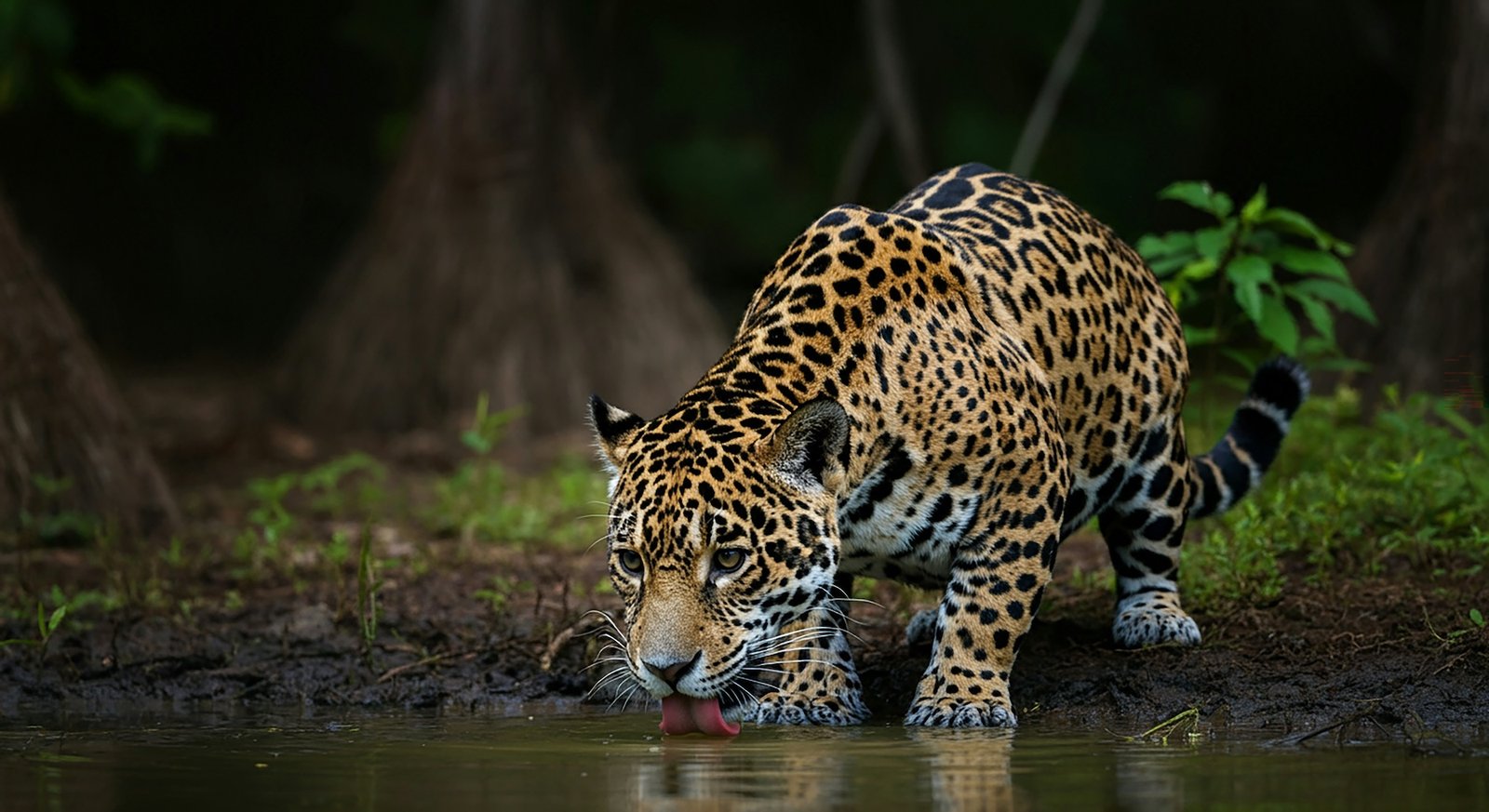
The Pantanal of western Brazil is widely considered the best place in the world to see wild jaguars. Unlike the dense Amazon jungle where wildlife can be elusive, the Pantanal’s open wetlands make animal viewing remarkably accessible. During the dry season, jaguars patrol riverbanks hunting caimans and capybaras, while the region supports one of the greatest concentrations of wildlife on earth.
Giant otters, toucans, hyacinth macaws, and tapirs thrive throughout the region, and caiman-filled waterways create a primordial landscape unlike anything in South America’s more heavily promoted destinations.
Highlights
- Jaguar safaris by boat along the Cuiabá River
- Giant river otters
- Hyacinth macaws — the world’s largest parrot
- Caiman-filled waterways
- Extraordinary birdwatching (600+ species)
Operators for this destination
Destination 02 · Ecuador
THE GALÁPAGOS ISLANDS
Evolution’s Living Laboratory
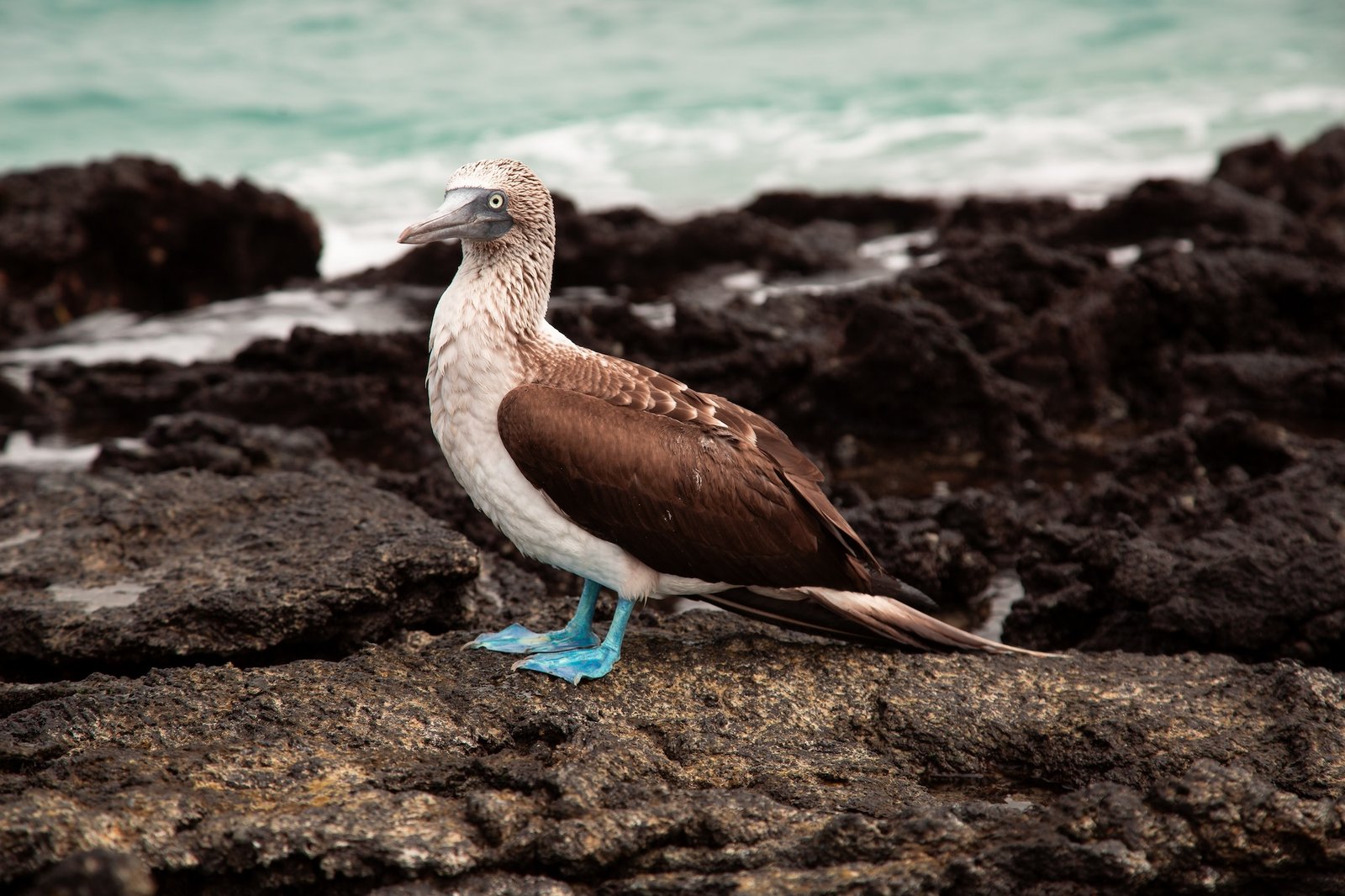
Few wildlife destinations on Earth compare with the Galápagos Islands. Located nearly 600 miles off Ecuador’s Pacific coast, the islands inspired Charles Darwin’s theory of evolution and remain one of the most unique ecosystems in the world. Animals here evolved with little fear of humans, allowing unusually close encounters that feel less like wildlife viewing and more like mutual curiosity.
Visitors may snorkel with sea lions in the morning, observe giant tortoises in the afternoon, and photograph blue-footed boobies at sunset — often within arms’ reach.
Highlights
- Giant Galápagos tortoises
- Marine iguanas — the world’s only ocean-going lizard
- Blue-footed boobies
- Sea lions and fur seals
- Hammerhead sharks and manta rays
- Penguins near the equator
Operators for this destination
Destination 03 · Costa Rica
EASY WILDLIFE FOR EVERY TRAVELER
Central America’s Most Accessible Wilderness
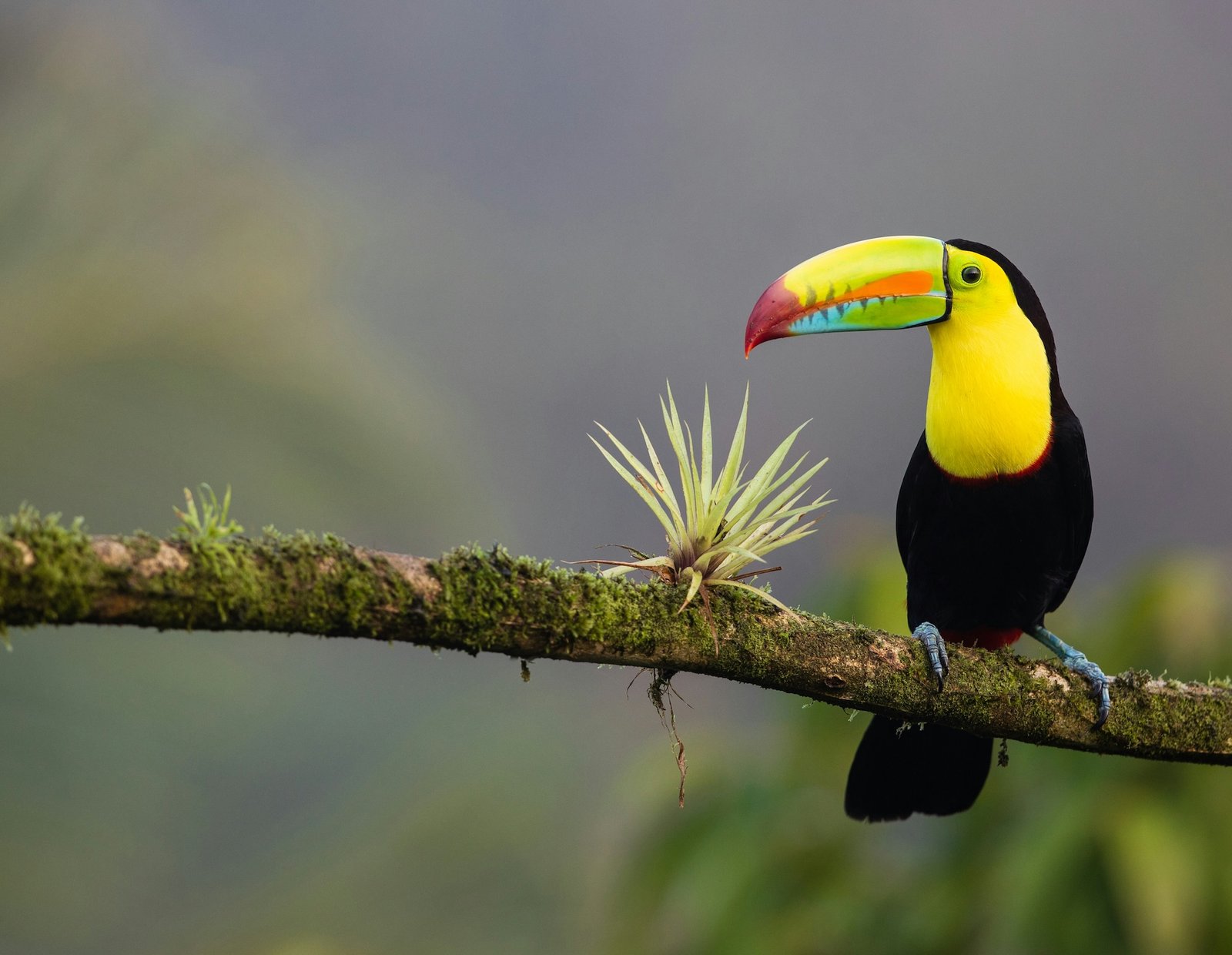
For travelers seeking accessible wildlife encounters without extreme adventure logistics, Costa Rica remains one of the world’s best destinations. The country protects roughly a quarter of its land through national parks and reserves, creating an extraordinary concentration of wildlife in a relatively compact area. Even casual visitors often encounter sloths, monkeys, toucans, poison dart frogs, and scarlet macaws within days of arrival.
Highlights
- Sloths and howler monkeys
- Scarlet macaws
- Sea turtle nesting beaches
- Poison dart frogs
- Whale watching on the Pacific coast
Operators for this destination
Destination 04 · Peru
AMAZON WILDLIFE & MACAW CLAY LICKS
The Amazon Basin’s Richest Wildlife Experiences
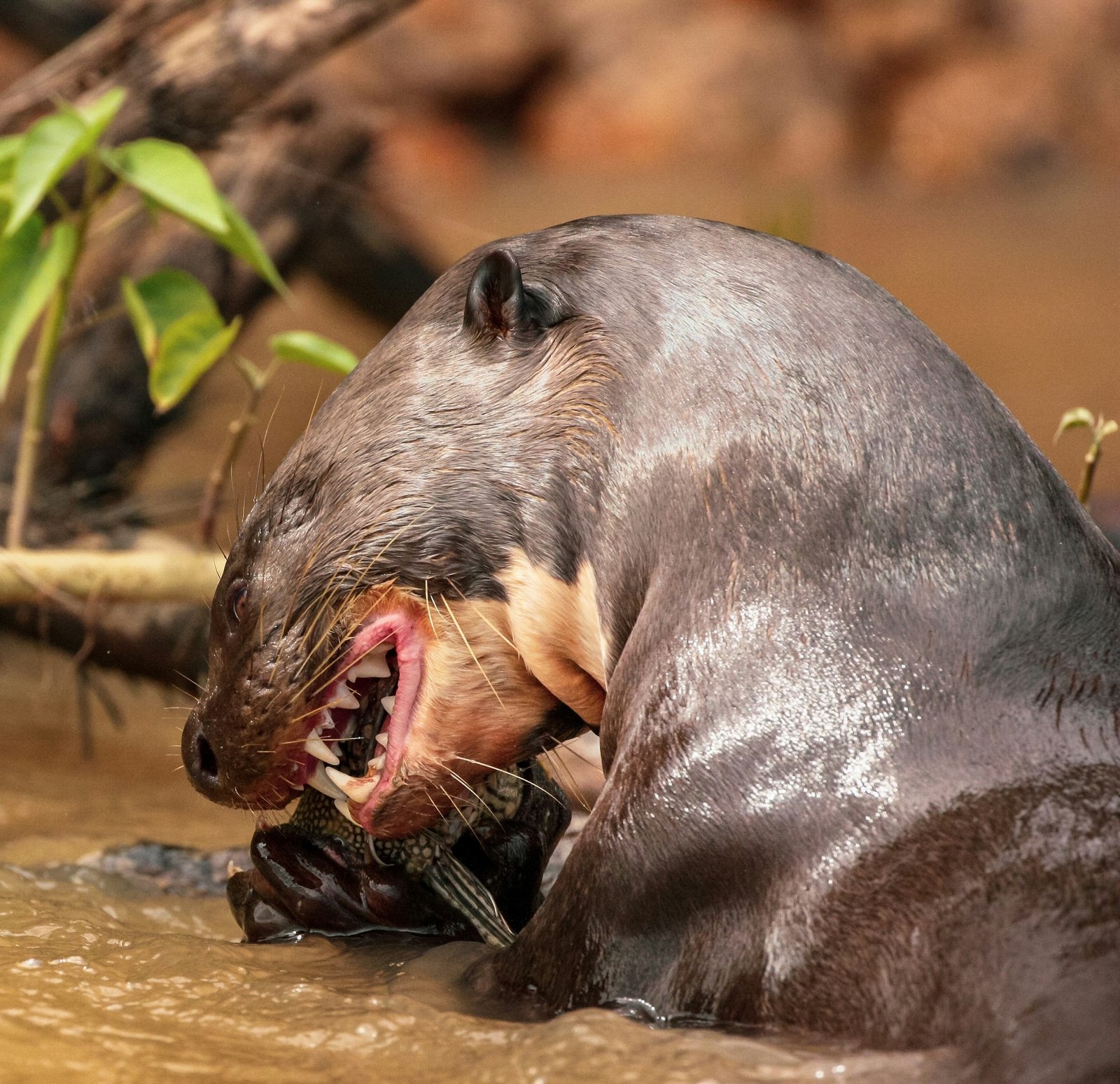
Peru offers some of the Amazon Basin’s richest wildlife experiences, especially around Puerto Maldonado and Manu National Park. Travelers explore remote jungle rivers by canoe while spotting monkeys, caimans, giant river otters, and hundreds of tropical bird species. One of Peru’s most spectacular wildlife experiences occurs at sunrise along giant clay licks, where hundreds of colorful macaws gather simultaneously in a display that travelers describe as one of the most extraordinary natural events they have ever witnessed.
Highlights
- Macaw clay licks at dawn
- Pink river dolphins
- Giant river otters
- Remote jungle lodges near Manu
- Night safaris
Operators for this destination
Destination 05 · Argentina
PATAGONIA & PENINSÚLA VALDÉS
Marine Giants and Southern Wilderness
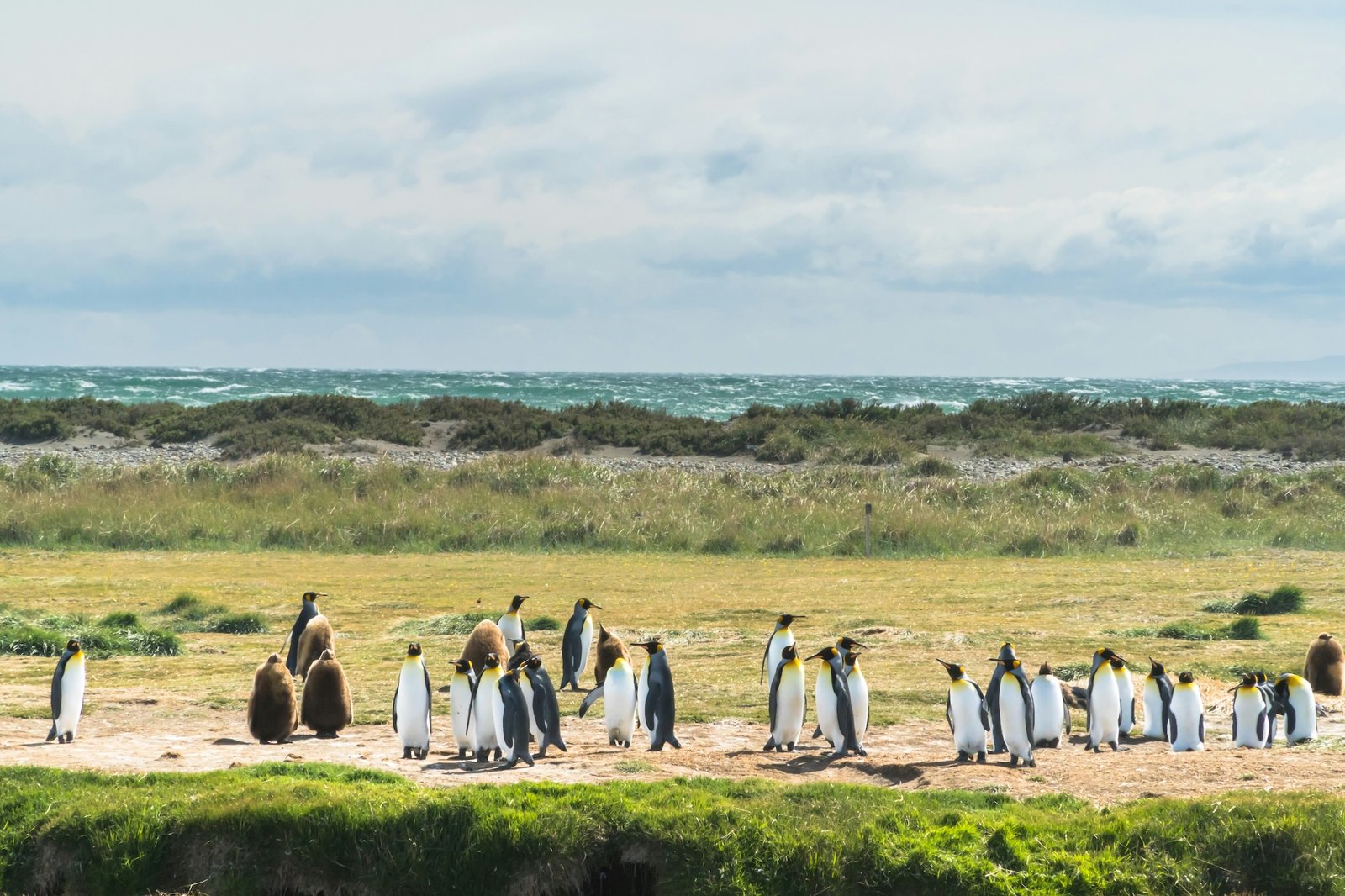
Argentina’s southern wilderness offers an entirely different kind of wildlife experience. Patagonia combines dramatic landscapes with marine wildlife rarely found elsewhere in South America. Along the Atlantic coast, Península Valdés becomes one of the world’s premier whale-watching destinations each spring, when southern right whales arrive to breed in protected bays within clear sight of shore.
Highlights
- Southern right whale watching from shore
- Elephant seals and fur seals
- Orcas hunting sea lions
- Magellanic penguin colonies
- Guanacos and Andean condors
Operators for this destination
Destination 06 · Mexico
WHALE WATCHING & MARINE ENCOUNTERS
Baja California and Beyond
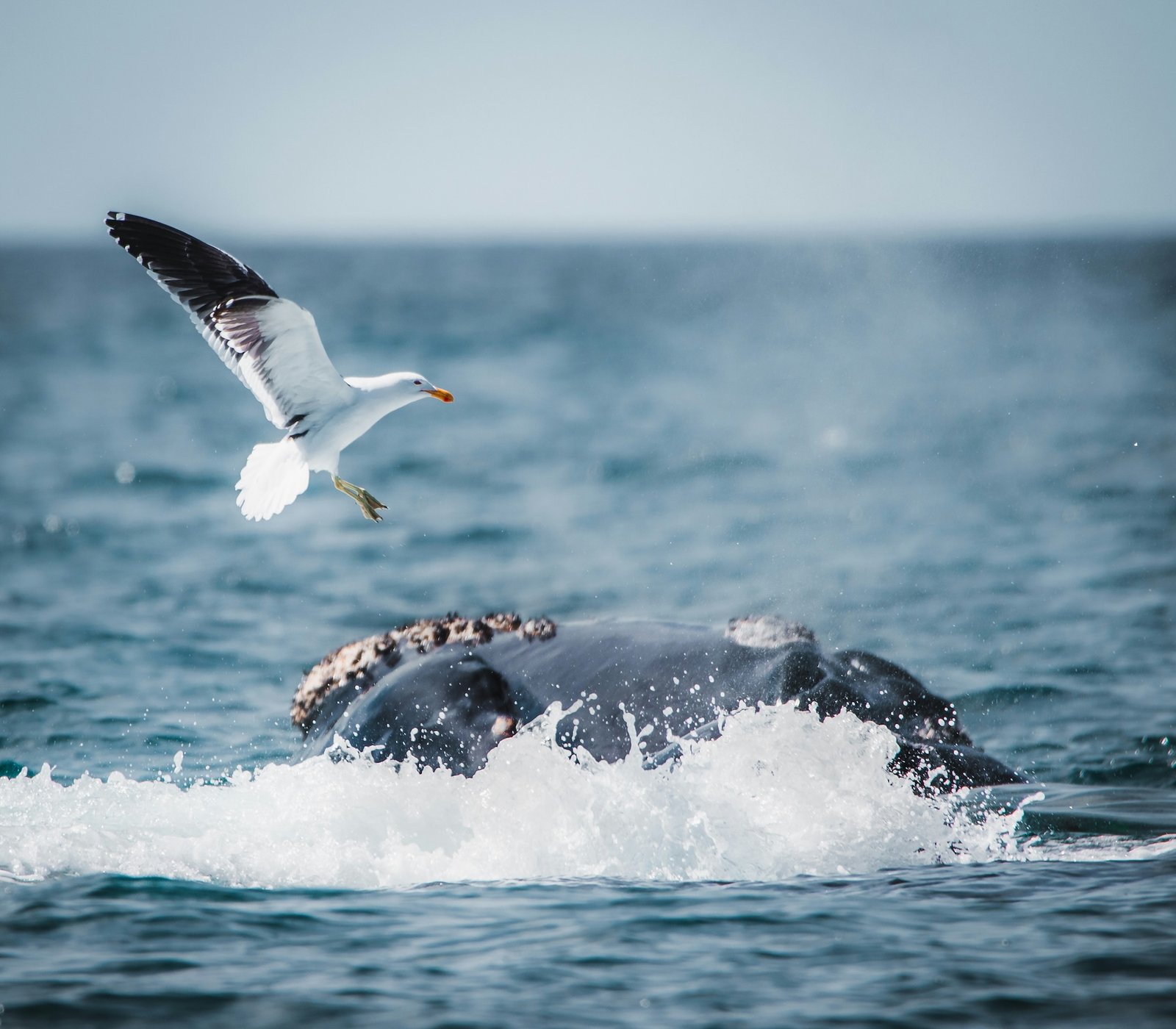
Mexico delivers some of Latin America’s most spectacular marine wildlife experiences. Along the Baja California peninsula, gray whales migrate into protected lagoons where they often approach small boats voluntarily — nuzzling hulls and allowing passengers to touch them in one of the most remarkable wildlife interactions on earth. Offshore, whale sharks, dolphins, manta rays, and sea lions thrive in nutrient-rich Pacific waters.
Highlights
- Gray whale encounters in Laguna San Ignacio
- Whale sharks near Isla Holbox
- Sea lions in the Sea of Cortéz
- Monarch butterfly migrations
- Sea turtle nesting beaches
Operators for this destination
The Icons
LEGENDARY ANIMALS OF LATIN AMERICA
The region’s most celebrated wildlife — and where to find them.
JAGUAR
The largest cat in the Americas and one of the region’s most elusive predators. The Pantanal offers the world’s best chance of a sighting.
Best Places
- Brazil’s Pantanal
- Peru’s Amazon
- Belize
SLOTH
Beloved for their slow-motion lifestyles and seemingly permanent expression of contentment. Easier to find than most people expect.
Best Places
- Costa Rica
- Panama
- Colombia
SCARLET MACAW
These brilliant red parrots symbolize the tropical Americas. Their calls announce the rainforest before they are seen.
Best Places
- Costa Rica
- Guatemala
- Peru & Honduras
GIANT TORTOISE
Living symbols of evolution and longevity. Some individuals in the Galápagos are believed to exceed 150 years of age.
Best Places
- Galápagos Islands
PINK RIVER DOLPHIN
One of the Amazon’s strangest and most magical creatures — a freshwater dolphin that turns pink as it matures.
Best Places
- Brazil (Amazon)
- Peru
- Colombia
HUMPBACK WHALE
Thousands migrate along Latin America’s Pacific coastline annually, breaching with dramatic frequency off Colombia and Ecuador.
Best Places
- Colombia’s Pacific Coast
- Ecuador & Mexico
- Dominican Republic
Before You Go
WILDLIFE TRAVEL TIPS
01
Respect Wildlife Distance
The best wildlife encounters happen naturally. Never feed animals or pressure guides to approach too closely — it harms both the wildlife and the experience.
02
Bring Binoculars
A quality compact binocular dramatically improves rainforest and birdwatching experiences. Many encounters happen at distance in thick vegetation.
03
Early Morning Matters
Wildlife activity is typically highest in the first two hours after sunrise. Plan your most important excursions accordingly.
04
Use Certified Guides
Experienced naturalist guides transform what you see and hear. They also help support local conservation economies.
05
Expect the Unexpected
Wildlife viewing is never guaranteed. That unpredictability is precisely what makes an encounter feel genuine — and unforgettable.
At a Glance
BEST WILDLIFE EXPERIENCES BY INTEREST
| Interest | Best Destination |
|---|---|
| Jaguars | Brazil — Pantanal |
| Rainforest Wildlife | Peru — Amazon & Manu |
| Easy Family Wildlife | Costa Rica |
| Marine Wildlife | Mexico — Baja & Sea of Cortéz |
| Rare Birds | Ecuador & Peru |
| Whale Watching | Argentina & Mexico |
| Unique Evolutionary Wildlife | Galápagos Islands |
| Remote Wilderness | Patagonia — Argentina & Chile |
Final Thought
THE WILD SIDE OF LATIN AMERICA
Wildlife travel in Latin America is about more than checking animals off a list. It is about immersion into landscapes that still feel untamed. One morning may begin with monkey calls echoing through jungle fog. Another may end watching whales breach against a Patagonian sunset. In between are the countless unexpected moments — a toucan crossing a trail, dolphins surfacing beside a canoe, or a jaguar appearing silently along a riverbank at dawn.
These are the experiences travelers remember for a lifetime. And in a rapidly changing world, they are becoming more precious every year.
Plan Your Wildlife Trip
READY TO GO WILD?
Jim and Jane have personally visited these destinations. Tell us what wildlife experience interests you most and we’ll help plan the right trip.
Ask Jim & Jane