Overview
A CONTINENT UNTO ITSELF
Cosmopolitan Buenos Aires serves as the gateway to Argentina — a vast country that stretches from subtropical jungles in the north to the glaciers and windswept landscapes of Patagonia in the south.
Nearly as long as the United States is wide, Argentina often feels like a continent unto itself, offering extraordinary geographic and cultural diversity. Visitors can enjoy some of the world’s finest beef, explore the lakes and mountains of Bariloche, tour renowned wine regions in Mendoza, or climb Aconcagua — the highest mountain in the Americas at 22,837 feet.
Argentina is the birthplace of tango, home to the gauchos of the Pampas, the dramatic wilderness of Patagonia, the spectacular Iguazú Falls, and Ushuaia — often called the world’s southernmost city. It is also a major gateway for travel to Antarctica.
Best for travelers seeking sophistication and adventure in equal measure — a country where world-class cities, extraordinary wilderness, and exceptional food and wine all coexist at continental scale.
Geography
WHERE EVERYTHING IS
Argentina spans nearly 3,000 miles from the tropical north to Tierra del Fuego in the far south. Buenos Aires anchors the northeast coast, Iguazú is in the far northeast, Mendoza and the Andes lie to the west, and Patagonia stretches from Bariloche all the way to Ushuaia. Click any marker to see what’s there.
Tap or click markers for details. Pinch / scroll to zoom.
Why Go
WHAT MAKES ARGENTINA STAND APART
Buenos Aires
One of the great cities of the world — sophisticated, beautiful, and alive around the clock. Architecture, café culture, tango, theater, and one of the finest restaurant scenes in South America.
Iguazú Falls
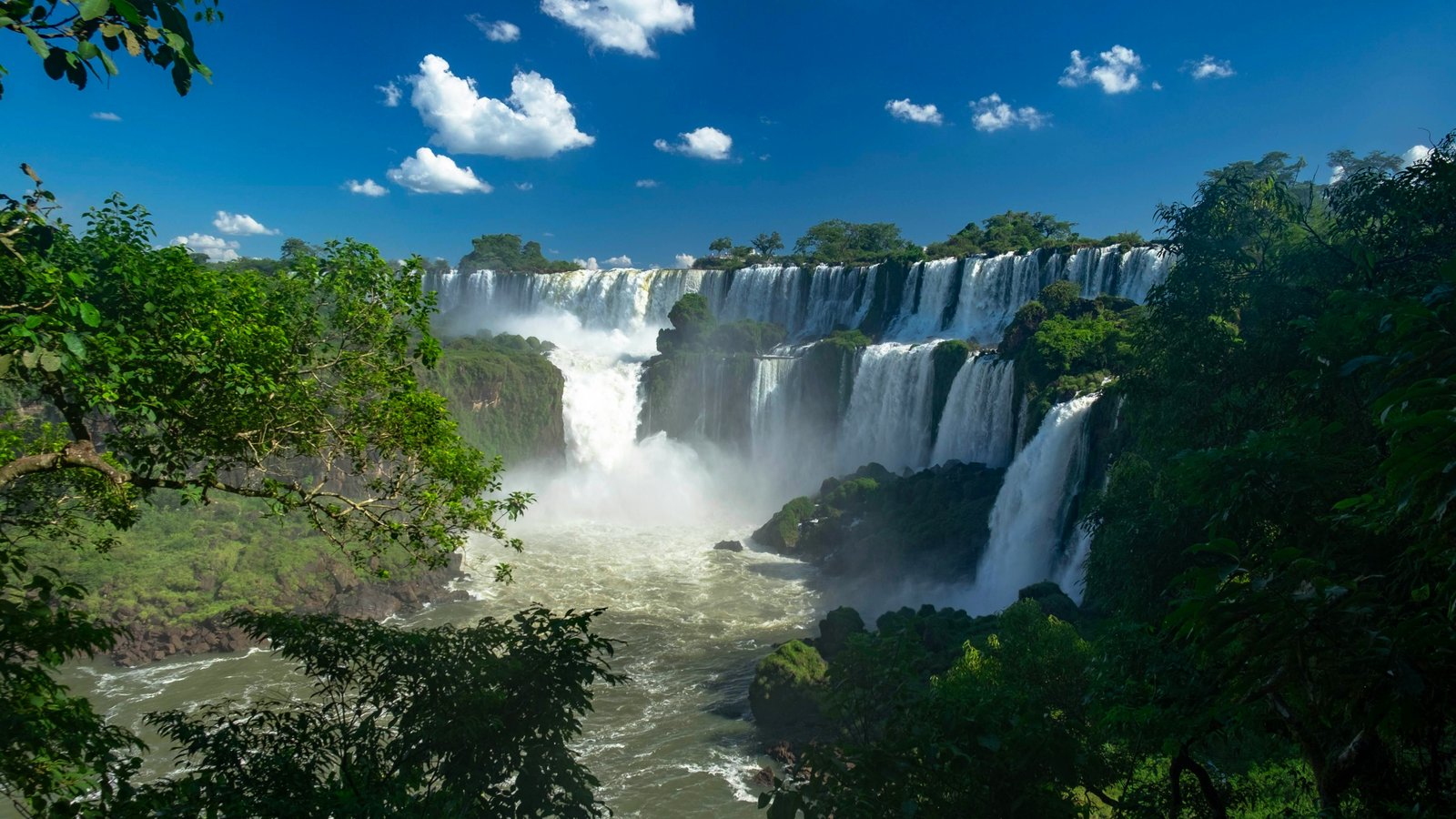
Wider and taller than Niagara, with more than 250 individual cascades tumbling through subtropical rainforest. One of the most overwhelming natural spectacles anywhere on Earth.
Patagonia
The Perito Moreno Glacier, Fitz Roy, Torres del Paine — some of the most dramatic landscapes on the planet, stretching across the southern tip of South America.
Mendoza & Wine
Argentina is one of the world’s great wine-producing countries — Malbec from Mendoza, in particular, has earned a global reputation. The vineyards and bodegas here are world-class.
Beef & Food Culture
Argentine beef is among the finest in the world, served in traditional parrillas alongside empanadas, chorizo, and Italian-influenced cuisine. Café life is central to Argentine identity.
Antarctica Gateway
Ushuaia is the primary departure point for Antarctic cruises — making Argentina the starting line for one of travel’s ultimate experiences.
Top Experiences
PLAN AROUND EXPERIENCES, NOT JUST REGIONS
Buenos Aires
Explore Palermo, Recoleta, and San Telmo on foot. Attend a tango show or find a milonga. Tour Teatro Colón — one of the world’s great opera houses. Shop leather on Calle Florida. Stay for dinner at 9:00 p.m. like a local.
Iguazú Falls
Spend two to three days to see both the Argentine and Brazilian sides. The Argentine side’s walkways put you inside the falls; the Brazilian panoramic viewpoint shows the full scope. The Garganta del Diablo is staggering at any water level.
Perito Moreno Glacier
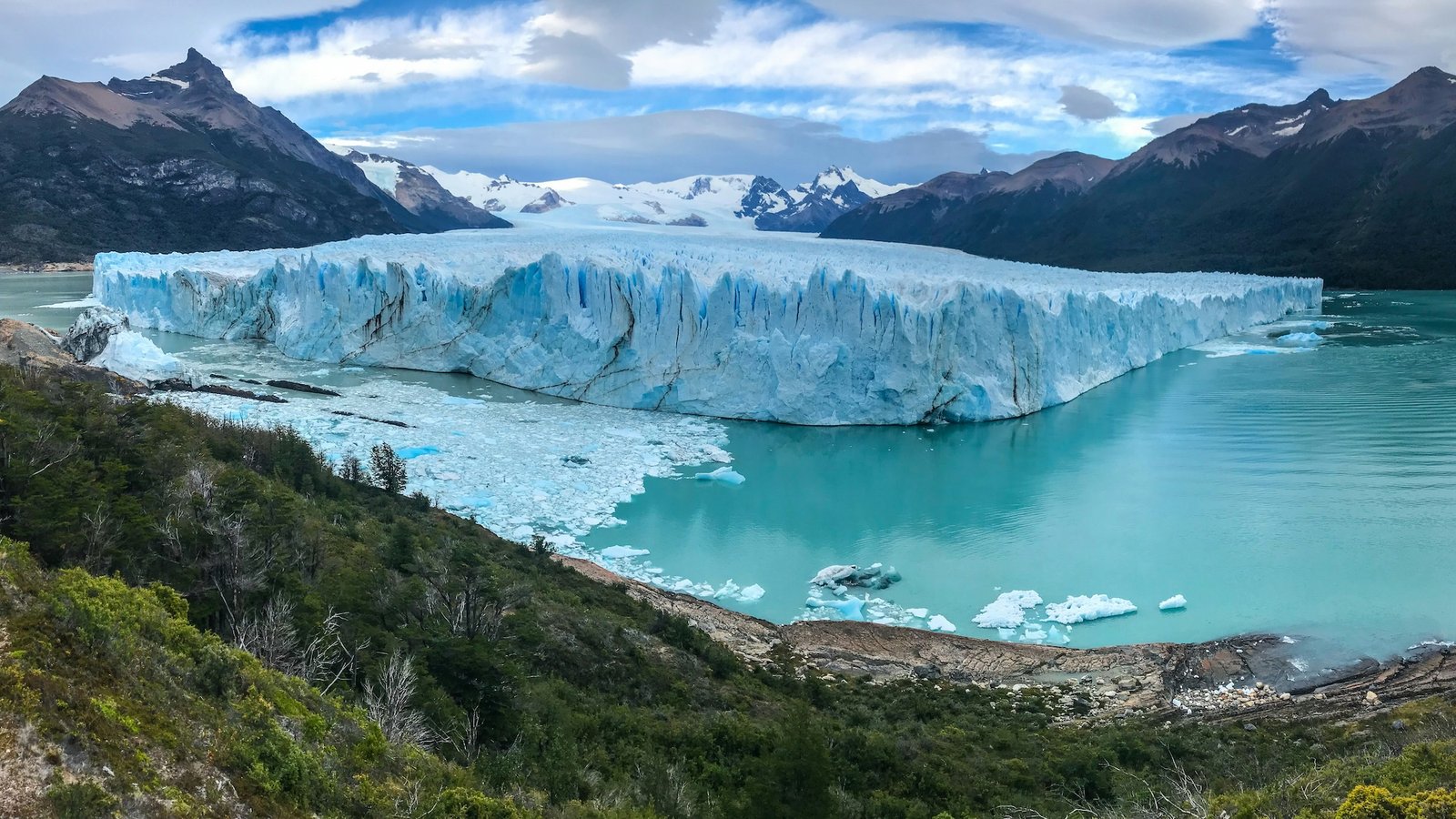
One of the few advancing glaciers in the world — a wall of ice several miles wide and nearly 200 feet tall, calving thunderously into Lago Argentino. Walkways bring you within feet of the face. Available year-round from El Calafate.
Fitz Roy & El Chaltén
The Fitz Roy massif near El Chaltén is one of the world’s premier trekking landscapes — jagged granite towers above glacial lakes, accessible on day hikes or multi-day routes.
Mendoza Wine Country
Tour bodegas, taste Malbec at the source, and explore vineyards at the foot of the Andes. Harvest season (March–April) is the most festive. The region also offers access to Aconcagua and ski areas like Las Leñas.
Ushuaia & Tierra del Fuego
The world’s southernmost city is the jumping-off point for the Beagle Channel, Tierra del Fuego National Park, and Antarctic cruises. The surrounding scenery — mountains, glaciers, and subantarctic forest — is extraordinary.
Bariloche & Lake District
A Swiss-alpine-style town surrounded by Andean lakes and peaks. Ski Cerro Catedral in winter; hike, boat, and fish in summer. Serves as a gateway for lake crossings into Chile. Famous for its chocolate shops.
Península Valdés
A UNESCO site on the Atlantic coast — one of the world’s best places to watch southern right whales (June–December), orcas, elephant seals, sea lions, and Magellanic penguins from shore.
Timing
WHEN TO VISIT ARGENTINA
Buenos Aires
Year-round, but March to May and September to November (southern spring and fall) offer the most comfortable temperatures. Summers can be hot and humid; July can be cool.
Patagonia & Ushuaia
October to March is the southern summer — the only practical window for Fitz Roy trekking and Tierra del Fuego. Weather is unpredictable even in summer; pack for all conditions.
Iguazú Falls
Year-round, but November to March (wet season) brings the highest water volume and most dramatic falls. August to September has lower water but pleasant temperatures and smaller crowds.
Mendoza
March to April is harvest season — the most festive time for wine travel. June to August is ski season at Las Leñas. Spring and fall are ideal for general vineyard visits.
Travel Essentials
FACTS & PRACTICAL DETAILS
Key Areas
A SIMPLE GEOGRAPHY OF ARGENTINA
Buenos Aires & Surroundings
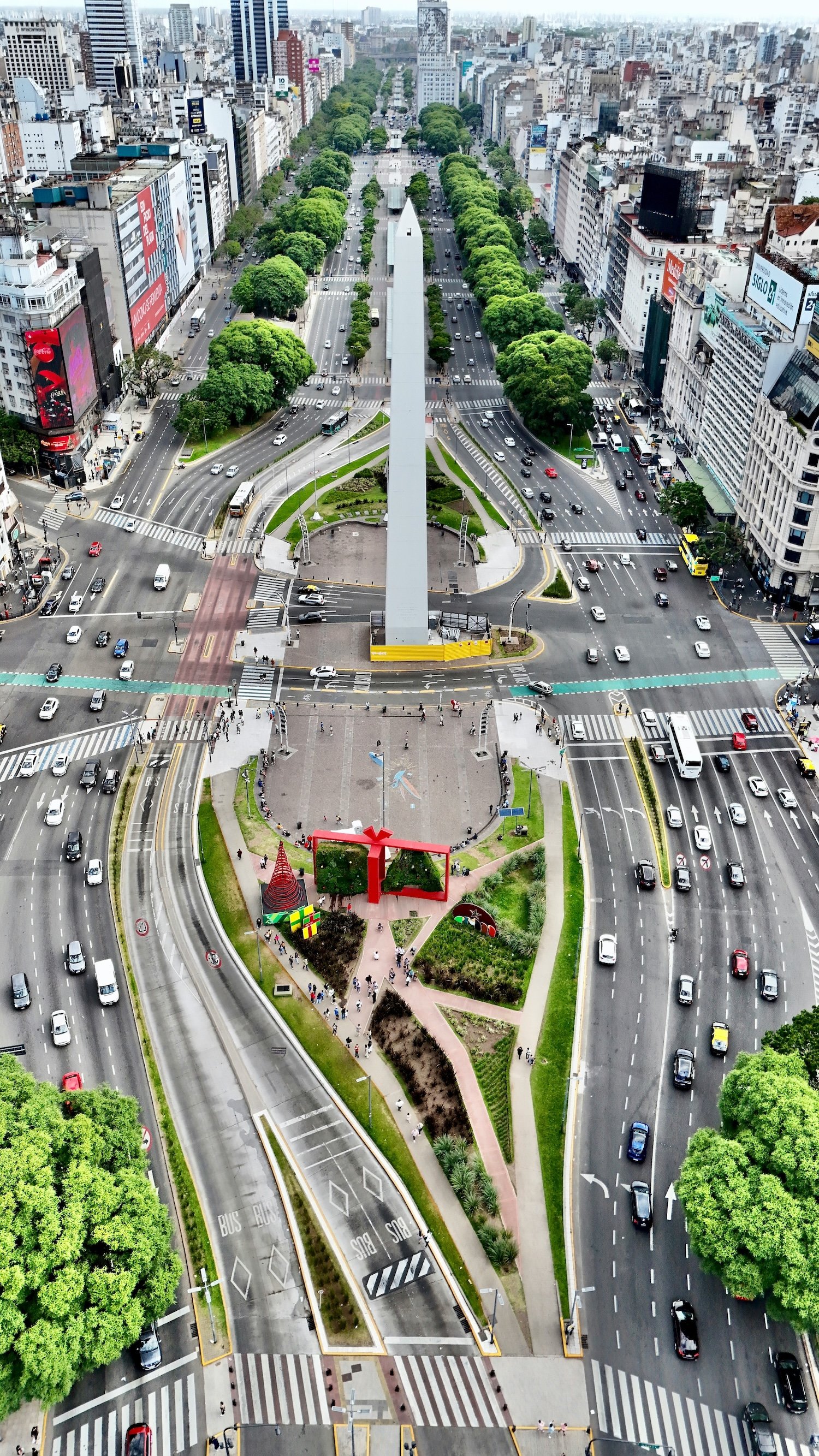
The capital is a world-class city of grand boulevards, neighborhood character, and extraordinary cultural life. Plaza de Mayo, the Casa Rosada, Avenida 9 de Julio, Teatro Colón, and the neighborhoods of Palermo, Recoleta, and San Telmo each reward exploration. Day trips reach nearby estancias for gaucho culture, and the Tigre Delta offers a quick river escape.
Northwest — Iguazú, Salta & Jujuy
Iguazú Falls in the northeast is a two-hour flight from Buenos Aires. The northwest — Salta and Jujuy — offers a rich blend of colonial architecture, Andean landscapes, and vivid scenery including the UNESCO-listed Quebrada de Humahuaca. Cafayate’s high-altitude vineyards and rock formations add another dimension to this culturally rich region.
Mendoza & the Andes
At the foot of the Andes, Mendoza is Argentina’s premier wine region — a landscape of vineyards and orchards irrigated from snowmelt. Wine tasting at bodegas is the main draw, especially during March–April harvest. The region also serves as the base for Aconcagua expeditions and winter skiing at Las Leñas.
Lake District — Bariloche
Set within Nahuel Huapi National Park, Bariloche sits amid Andean lakes, forests, and peaks. Year-round outdoor activities — skiing at Cerro Catedral in winter, hiking and boating in summer. Scenic viewpoints, chocolate shops, and an alpine aesthetic. A classic gateway for lake crossings into Chile via the famous Cruce de Lagos route.
Atlantic Coast — Mar del Plata & Península Valdés
Mar del Plata is Argentina’s most popular beach resort, packed with Argentine vacationers in summer. Further south, Península Valdés (UNESCO) is one of the best wildlife-watching destinations in South America: southern right whales, orcas, elephant seals, and Magellanic penguins all seasonally accessible from Puerto Madryn.
Patagonia — El Calafate, El Chaltén & Ushuaia
Southern Patagonia is one of the world’s great wilderness destinations. El Calafate is the base for the Perito Moreno Glacier and Los Glaciares National Park. El Chaltén sits below the Fitz Roy massif — a world-class trekking hub. Ushuaia, at the tip of the continent, is the gateway to Tierra del Fuego, the Beagle Channel, and Antarctic cruises.
Parks & Wildlife
PROTECTED LANDS & NATURAL WONDERS
Argentina’s national parks protect landscapes of extraordinary variety — from subtropical falls and Andean lakes to advancing glaciers and the subantarctic forests of Tierra del Fuego.
Los Glaciares National Park
A UNESCO World Heritage Site in southern Patagonia, protecting the Perito Moreno Glacier, Upsala Glacier, and the Fitz Roy massif near El Chaltén — one of the world’s premier trekking destinations.
Iguazú National Park
A UNESCO-listed subtropical rainforest surrounding the falls, protecting jaguars, tapirs, giant anteaters, toucans, and hundreds of bird and butterfly species. The Argentine and Brazilian parks together form one of the most important protected ecosystems in South America.
Nahuel Huapi National Park
Argentina’s oldest national park surrounds Bariloche — a vast Andean landscape of glacial lakes, forests, and peaks offering exceptional hiking, skiing, and wildlife including pumas, deer, and Andean condors.
Tierra del Fuego National Park
The southernmost national park in the world, protecting subantarctic beech forests, glacial valleys, and coastal channels at the tip of South America. Accessible from Ushuaia by road or the famous End of the World Train.
Península Valdés
A UNESCO World Heritage Site on the Patagonian Atlantic coast — one of the world’s great marine wildlife reserves, with southern right whales, orcas, elephant seals, sea lions, and Magellanic penguins all seasonally present.
Talampaya & Ischigualasto
Two UNESCO-listed desert parks in San Juan and La Rioja provinces, with extraordinary red rock formations, dinosaur fossil sites, and some of the most otherworldly landscapes in South America.
Traveler Questions
ARGENTINA TRAVEL FAQ
What is the best time to visit Argentina?
Argentina spans such a vast range of latitudes that the answer depends on your destination. Buenos Aires is best in spring (September–November) and autumn (March–May) — warm, comfortable, and beautiful. Patagonia and Tierra del Fuego are best from November through March (austral summer) when trails are open and weather is most stable. The Mendoza wine country shines during harvest in March and April. The northwest (Salta, Jujuy) is fine year-round but drier in winter.
How do I handle currency in Argentina?
Argentina has a complex currency situation. The official exchange rate and various informal ‘blue dollar’ rates have historically diverged significantly. As of 2025-2026, currency controls have evolved substantially under the Milei administration. The practical advice: check current exchange rates carefully before travel, bring physical U.S. dollars or euros if accessing the informal rate (which many businesses quote), use reputable exchange houses (casas de cambio) and be aware of denominations when handling cash. This situation changes rapidly.
Is Patagonia worth the distance and expense?
For the right traveler, Patagonia is a once-in-a-lifetime experience that absolutely justifies the journey. The iconic Torres del Paine (just across the border in Chile but accessed through Argentine Patagonia) and El Chaltén’s Fitz Roy massif are among the most dramatic landscapes on the planet. Plan for at least a week to do any region justice. Flights from Buenos Aires to El Calafate or Ushuaia are straightforward. Weather is famously unpredictable — build flexibility into your itinerary.
Do I need to speak Spanish to travel in Argentina?
Spanish is essential outside of the main tourist circuit. Buenos Aires has reasonable English in tourist restaurants, hotels, and Palermo neighborhoods, but outside the capital and major tourist sites you will encounter very little English. Argentine Spanish has its own distinct accent and vocabulary — Porteños are famously proud of their speech. Even basic Spanish goes a very long way and is warmly received.
LOCAL SPECIALISTS WE TRUST
These operators have deep Argentina expertise and a track record with serious travelers. Selected for local knowledge, safety standards, and the ability to build meaningful itineraries beyond the obvious.
Patagonia & Adventure
Swoop Patagonia
UK-based Patagonia specialists covering Argentine and Chilean Patagonia — Torres del Paine, El Chaltén, El Calafate, Ushuaia, and Peninsula Valdés. Custom and set-departure itineraries.
Best for: Trekkers and expedition travelers wanting serious Patagonia planning.
Alchemy Expeditions
Small-group and private expeditions focused on Argentine Patagonia — Fitz Roy, Perito Moreno, and the far south. Conservation-minded and expert-guided.
Best for: Hikers and photographers wanting access beyond standard tourist routes.
Custom & Nationwide
Say Hueque
Buenos Aires-based agency with strong credentials across all of Argentina — Patagonia, wine country, the northwest, Iguazú, and Buenos Aires city experiences. Good for multi-region custom trips.
Best for: Travelers who want a local agency building a full-country itinerary.
Knowmad Adventures
High-end custom travel across South America with strong Argentina expertise. Boutique hotels, exclusive access, and genuinely personalized design.
Best for: Luxury travelers wanting a bespoke Argentina experience with white-glove service.
Latin Travel does not book tours directly. These are editorial selections. Please mention Latin Travel when you contact them — it helps us keep this guide current.