Overview
NOT ONE DESTINATION, BUT MANY
Brazil is a country of superlatives: vast, energetic, tropical, urban, wild, musical, and larger than the continental United States.
For many travelers, the challenge is not deciding whether to visit Brazil, but deciding where to begin. The Amazon rainforest, the Pantanal wetlands, the beaches of Rio de Janeiro, the colonial cities of Minas Gerais and Bahia, the modernist capital of Brasília, the power of São Paulo, and the scale of Iguaçu Falls are all within one country — yet each could anchor a trip of its own.
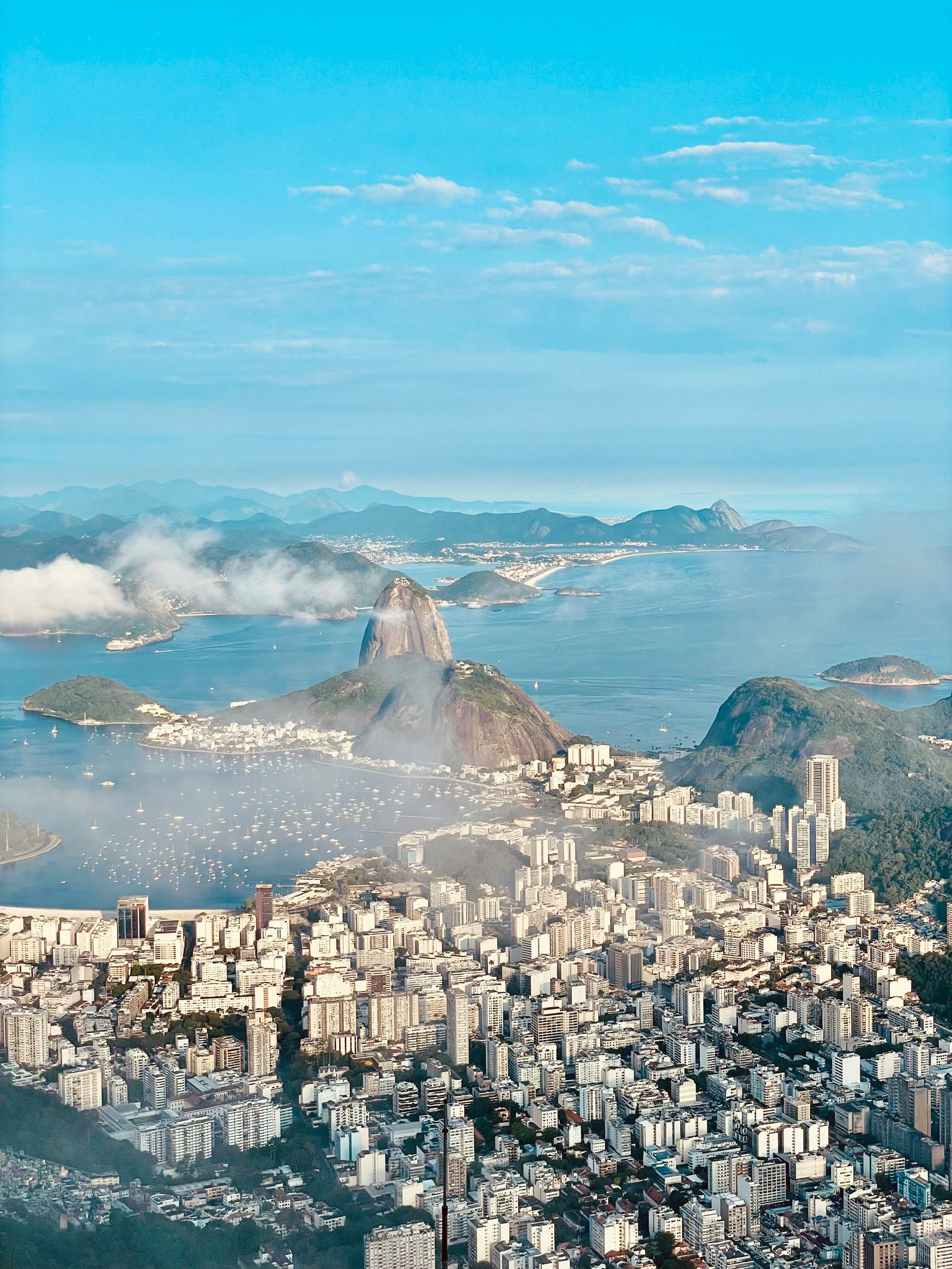
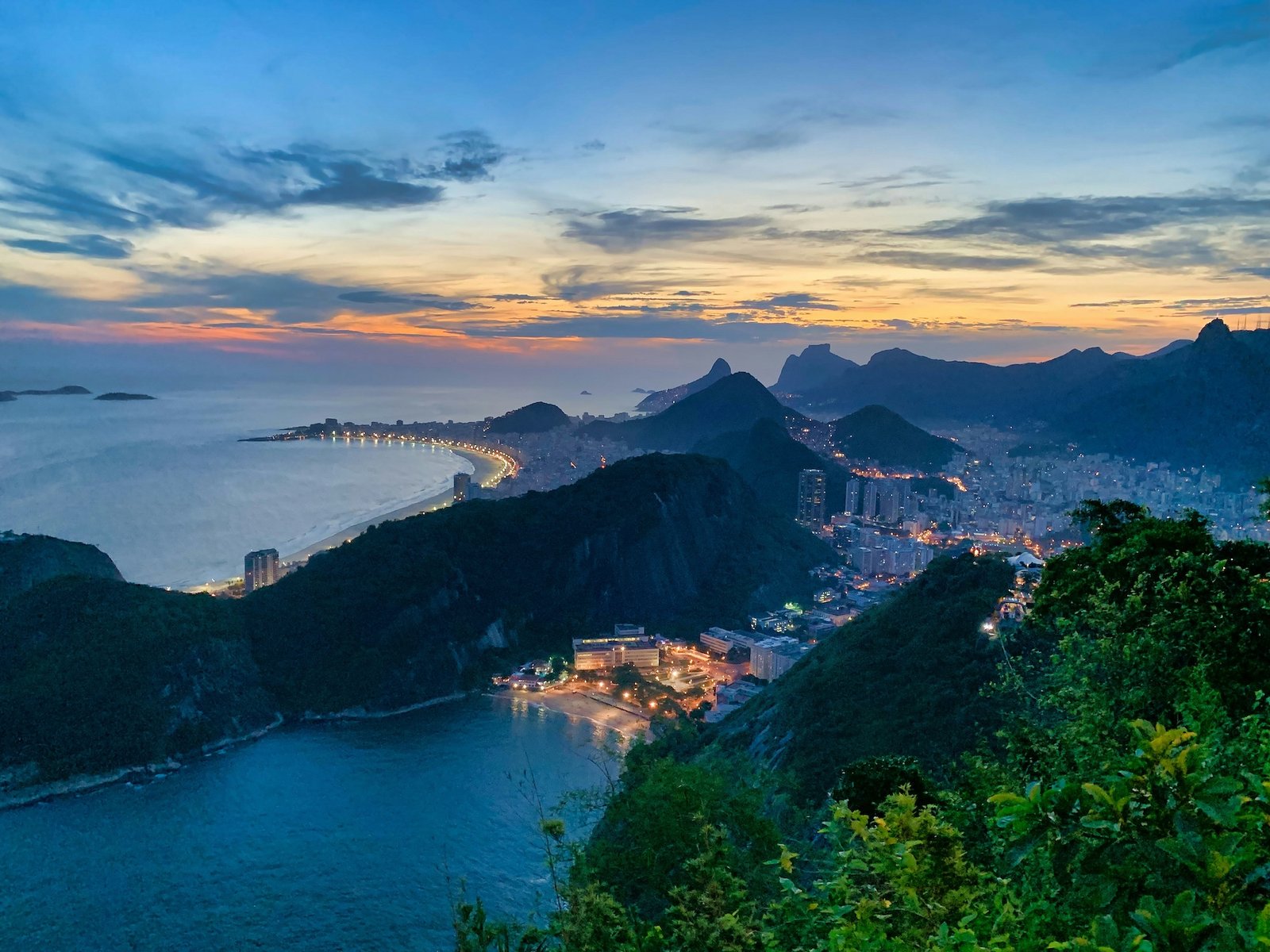
Most first-time visitors begin in Rio de Janeiro, where Sugarloaf Mountain, Corcovado, Christ the Redeemer, Copacabana, Ipanema, and Guanabara Bay form one of the most spectacular city settings on earth. Brazil is best approached by region or theme rather than as a checklist — the distances are too great and the regional variation too rich for any other approach. Portuguese is the national language, not Spanish, and domestic flights are essential for most itineraries.
Best for travelers willing to plan carefully and commit to a region or theme: Rio’s iconic setting, the Amazon’s wildness, the Pantanal’s wildlife, Salvador’s culture, and Iguaçu’s scale are each among the great travel experiences of the Americas.
Geography
WHERE EVERYTHING IS
Brazil’s scale is difficult to overstate — it shares a border with every South American country except Chile and Ecuador. The major regions: the southeast (Rio, São Paulo, Minas Gerais), the northeast (Salvador, Recife, Fortaleza), the Amazon basin (Manaus, Belém), the central west (Brasília, Pantanal), the south (Curitiba, Florianópolis, Porto Alegre), and Iguaçu on the Argentine border. Domestic flights are the practical way to move between regions. Click any marker for details.
Tap or click markers for details. Pinch / scroll to zoom.
Why Go
WHAT MAKES BRAZIL STAND APART
Rio de Janeiro
One of the most visually spectacular cities on earth — Sugarloaf, Corcovado, Christ the Redeemer, Copacabana, Ipanema, and Guanabara Bay all within a single city setting. Rio is also the home of samba, Carnival, and some of Brazil’s most vibrant street culture.
The Amazon
The world’s largest rainforest — a river system, an ecosystem, and a travel experience unlike anything else on the planet. River cruises, jungle lodges, wildlife excursions, and indigenous community visits are all possible with the right operators from Manaus or Belém.
The Pantanal
One of the world’s great wildlife destinations — a vast tropical wetland where open landscapes make animals far easier to see than in the dense Amazon. Jaguars, caimans, capybaras, giant otters, hyacinth macaws, and hundreds of bird species are regularly encountered.
Iguaçu Falls
One of the greatest waterfall systems on earth — hundreds of individual cataracts spread across the Brazil-Argentina border. The Brazilian side offers sweeping panoramic views; the Argentine side provides closer access. A destination in its own right, not merely a add-on.
Salvador & the Northeast
Brazil’s first capital remains one of its most culturally distinctive cities — Afro-Brazilian music, religion, cuisine, and architecture concentrated in the Pelourinho historic district. The northeast coast adds beaches, colonial towns, and a cultural vitality found nowhere else in the country.
Colonial Brazil
The state of Minas Gerais preserves some of the finest colonial architecture in the Americas — Ouro Preto, Tiradentes, Congonhas, and Mariana are remarkably intact baroque towns built on gold and silver wealth, offering a Brazil far removed from beaches and jungle.
Top Experiences
PLAN AROUND EXPERIENCES, NOT JUST REGIONS
Rio de Janeiro
Christ the Redeemer and Corcovado Mountain, the Sugarloaf cable car, Copacabana and Ipanema beaches, the Botanical Garden, the bohemian Santa Teresa neighborhood, the Museum of Tomorrow, and live samba in the city’s music clubs. Rio is a full week on its own. Day trips reach Paraty (colonial coastal town) and Búzios (stylish beach resort).
Iguaçu Falls
The most powerful waterfall system in the world — 275 individual falls along nearly two miles of the Iguaçu River. The Brazilian side delivers panoramic grandeur; the Argentine side delivers intimate walkway access to Devil’s Throat. Allow two days to see both sides properly. The nearby Itaipu Dam and Bird Park add worthwhile extensions.
Pantanal Wildlife Safari
The northern Pantanal — accessed from Cuiabá — is now one of the premier jaguar-viewing destinations in the world. The open flooded grasslands make big cat sightings far more reliable than in the Amazon. Combine with caimans, capybaras, giant river otters, hyacinth macaws, and extraordinary birding. Best in the dry season (May–September).
Amazon River & Jungle
Manaus — a city of 2 million in the heart of the rainforest — is the primary gateway for Amazon expeditions. The Meeting of the Waters (where the dark Rio Negro meets the sandy Solimões River and flows side by side for miles) is a genuinely remarkable natural phenomenon. River cruises, jungle lodges, and wildlife excursions fan out in every direction. Belém offers a distinct Amazonian experience at the river’s mouth.
Salvador, Bahia
The Pelourinho historic district — a UNESCO World Heritage Site of Baroque churches, colonial mansions, and cobblestone streets — is the cultural heart of Afro-Brazilian civilization. The capoeira academies, the candomblé traditions, the moqueca and acarajé food culture, and the music scene make Salvador one of the most distinctive cities in the Americas.
Ouro Preto & Minas Gerais
Ouro Preto — a UNESCO World Heritage Site — is the finest colonial town in Brazil: an extraordinary concentration of baroque churches, gold-rush mansions, and cobblestone streets built on the wealth of 18th-century gold mining. The surrounding towns of Tiradentes, Mariana, and Congonhas complete one of South America’s most remarkable historic circuits.
São Paulo
Brazil’s business and cultural powerhouse — less immediately scenic than Rio but offering some of the best restaurants, museums, and nightlife in Latin America. The São Paulo Museum of Art (MASP) on Avenida Paulista, Ibirapuera Park, the extraordinary Japanese neighborhood of Liberdade, and a dining scene that rivals any city in the world.
Carnival
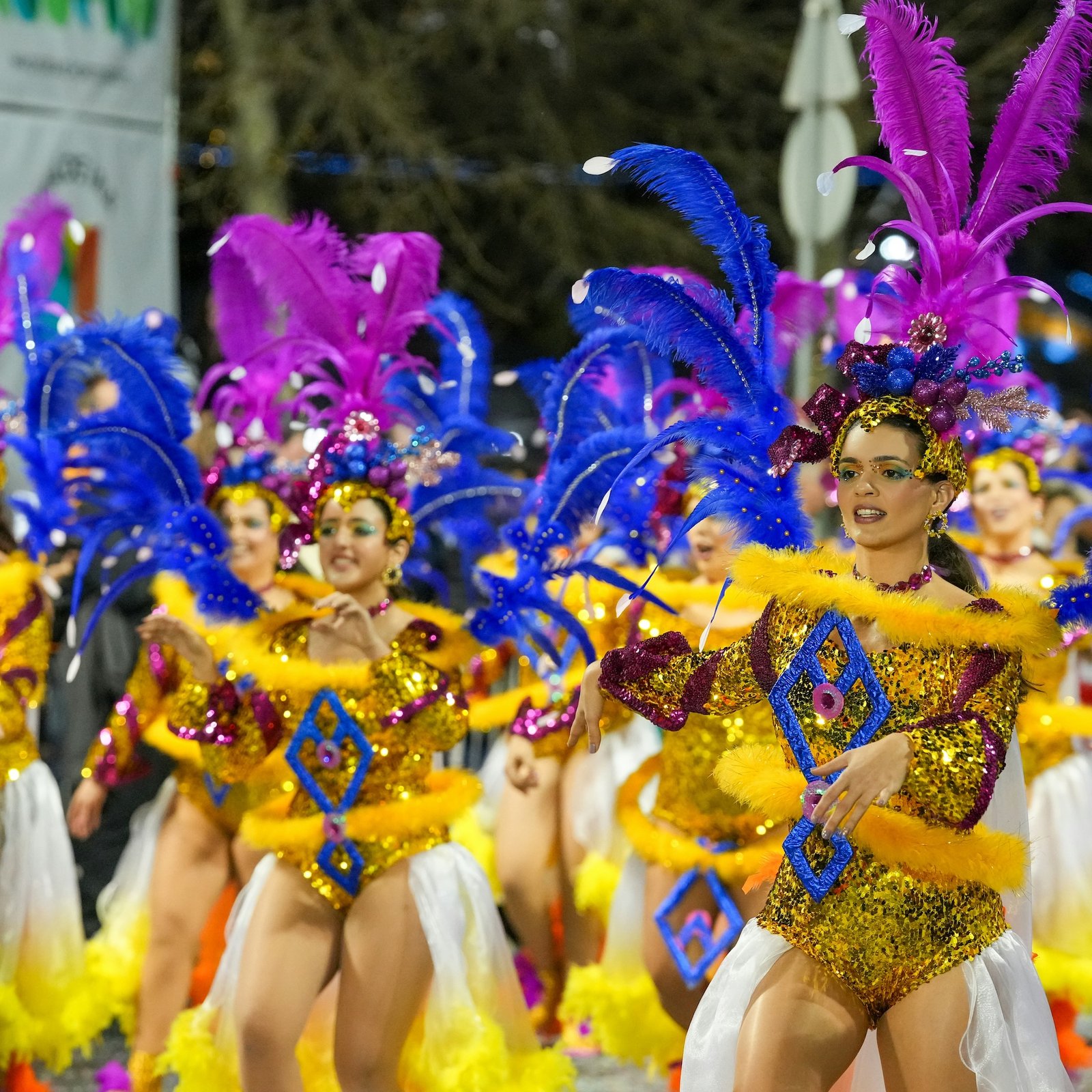
Brazil’s Carnival is one of the world’s great festivals — celebrated across the country but most spectacular in Rio de Janeiro (the Sambadrome parade), Salvador (street Carnival with trios elétricos), and Olinda/Recife (the giant puppet procession). Held in February or March. Accommodation must be booked many months in advance.
Timing
WHEN TO VISIT BRAZIL
Rio & the Southeast
April through June and August through October are the most comfortable windows — lower humidity, less rain, and manageable crowds outside of school holidays. December through March is summer in the southern hemisphere, with higher heat and rainfall but also the energy of Carnival season.
Pantanal Wildlife
May through September (dry season) is the best period for wildlife viewing — falling water levels concentrate animals around remaining water sources, making sightings far more frequent. Jaguar-spotting on the Cuiabá River peaks in July and August.
Amazon
The Amazon is accessible year-round. The high-water season (December–May) allows boat access deeper into flooded forest; the low-water season (June–November) concentrates fish and wildlife at river edges and is generally preferred for wildlife excursions.
Carnival
Held in February or March depending on the calendar. Book Rio accommodation a year in advance for the Sambadrome. Salvador’s street Carnival is more spontaneous but still requires forward planning. The week leading up to Ash Wednesday is the main event.
Northeast Brazil
The northeast coast is drier than the rest of the country. July through December brings the northeast trade winds and the best conditions for dune bugging, kitesurfing, and beach travel around Fortaleza and Jericoacoara. Salvador is pleasant most of the year.
Iguaçu Falls
Iguaçu is impressive year-round, but the falls are at their most powerful during the wet season (November–March). The dry season (May–September) offers clearer skies and easier walking conditions. Avoid Brazilian holiday weeks for smaller crowds.
Travel Essentials
FACTS & PRACTICAL DETAILS
SAFETY ADVISORY
Brazil is an extraordinary destination, but travelers should take safety seriously. The U.S. State Department advises exercising increased caution due to crime and kidnapping, with specific higher-risk areas to avoid. Practical guidance: avoid displaying watches, jewelry, phones, or cameras in cities; use ride apps or hotel-arranged transport, especially at night; avoid walking on beaches after dark; do not enter favelas unless on a reputable guided tour; use ATMs only in secure indoor locations.
For most travelers using common sense, reputable hotels, guides, and transportation — particularly in Rio, São Paulo, Salvador, Recife, and other large cities — Brazil is deeply rewarding and manageable. It is not a destination where visitors should be careless, but neither should it discourage well-prepared travelers.
Key Areas
A SIMPLE GEOGRAPHY OF BRAZIL
Rio de Janeiro & the Southeast Coast
Rio is the classic starting point — Christ the Redeemer, Sugarloaf, Copacabana, and Ipanema are among the most recognized sights in the Americas. Day trips reach Paraty (a beautifully preserved colonial coastal town with excellent hotels, restaurants, and island access) and Búzios (a stylish beach resort). São Paulo, two hours to the southwest, is Brazil’s urban and cultural powerhouse — less immediately scenic but offering world-class dining, art, and nightlife.
Minas Gerais & Colonial Brazil
The mountain state of Minas Gerais preserves some of the finest colonial architecture in South America. Ouro Preto — a UNESCO World Heritage Site — is the centerpiece: a baroque city of churches, fountains, and steep cobblestone streets built on 18th-century gold wealth. Tiradentes, Mariana, and Congonhas (with Aleijadinho’s famous soapstone prophets) complete the circuit. Belo Horizonte is the state capital and practical gateway; the state is also known for regional cuisine, gemstones, and cachaça production.
The Amazon
Manaus — a city of two million in the heart of the rainforest — is the primary gateway for Amazon river cruises and jungle lodges. The Meeting of the Waters (where the dark Rio Negro meets the lighter Solimões and the two rivers flow side by side for miles) is one of the most remarkable natural phenomena in South America. Belém, near the mouth of the Amazon, offers a distinct experience: strong local food traditions, river markets, Ver-o-Peso market, and access to Marajó Island. The Amazon is best experienced with reputable guides and operators.
The Northeast
Salvador — Brazil’s first capital — is the cultural heart of Afro-Brazilian civilization: the Pelourinho UNESCO district, baroque churches, capoeira, candomblé, moqueca, and acarajé. Recife is a major coastal city; nearby Olinda is one of Brazil’s most beautiful colonial towns with a renowned Carnival. Fortaleza is the gateway to beach destinations along the northeastern coast — Jericoacoara and Canoa Quebrada among the most celebrated — known for dunes, lagoons, and consistent trade winds ideal for kiting.
Brasília & the Pantanal
Brasília — inaugurated in 1960 and designed by Oscar Niemeyer and Lúcio Costa — is one of the world’s great modernist cities: the Cathedral, National Congress, Presidential Palace, and Monumental Axis form a capital unlike any other in the Americas. To the southwest, the Pantanal — one of the world’s largest tropical wetlands — is now a premier jaguar-viewing destination, along with caimans, capybaras, giant otters, and extraordinary birdlife. Cuiabá is the northern gateway; Campo Grande serves the south.
The South & Iguaçu Falls
Southern Brazil has a distinct identity shaped by European immigration, gaucho traditions, cooler weather, and wine country. Curitiba, Florianópolis, and Porto Alegre each have their own character; the Serra Gaúcha — around Gramado and Bento Gonçalves — produces good wine and offers a mountain-town atmosphere reminiscent of the Alps. Iguaçu Falls — on the border with Argentina — is one of the greatest natural wonders on earth and pairs naturally with a crossing to the Argentine side. The region connects well with Argentina and Uruguay itineraries.
Parks & Wildlife
PROTECTED LANDS & NATURAL WONDERS
Brazil contains an extraordinary portion of the world’s remaining biodiversity — the Amazon basin alone holds an estimated 10% of all species on earth. Several distinct ecosystems, each worthy of a dedicated trip, are protected within national parks and reserves.
The Pantanal
The world’s largest tropical wetland — roughly the size of France — stretching across Brazil, Bolivia, and Paraguay. The open grasslands and flooded plains make wildlife viewing more reliable than anywhere in the Amazon. The northern Pantanal around the Cuiabá River has become the world’s best location for guaranteed jaguar sightings during the dry season.
Iguaçu National Park
A UNESCO World Heritage Site on the Brazilian-Argentine border, protecting the world’s most powerful waterfall system. The park covers nearly 500,000 acres of Atlantic Forest on each side of the border. Toucans, coatis, butterflies, and the great dusky swift (which nests behind the falls) are among the wildlife highlights alongside the cataracts themselves.
Amazon Basin Reserves
The Brazilian Amazon contains multiple protected areas, including the massive Tumucumaque National Park (one of the world’s largest tropical forest reserves), Jaú National Park (UNESCO), and Mamirauá Sustainable Development Reserve — one of the best locations for river dolphin and flooded-forest wildlife watching. Most are accessed via organized expeditions from Manaus.
Chapada Diamantina
A highland national park in Bahia — a plateau of waterfalls, caves, natural pools, and endemic flora that feels entirely unlike coastal Brazil. One of the country’s best hiking destinations, accessible from the town of Lencóis. Combines well with Salvador for a northeast Brazil itinerary.
Lencóis Maranhenses
One of Brazil’s most visually extraordinary landscapes — vast white sand dunes in Maranhão state, filled seasonally with clear blue and green freshwater lagoons. Not a desert (it receives significant rainfall) but looks like one. Accessible from São Luís and increasingly well-organized for visitors.
Atlantic Forest Remnants
Once stretching along the entire Brazilian coast, the Atlantic Forest is now one of the world’s most endangered biomes — yet it remains extraordinarily biodiverse in its remaining fragments. Serra dos Órgãos and Itatiaia national parks near Rio protect highland forest with excellent birding, hiking, and cooler temperatures as a contrast to the coast.
Traveler Questions
BRAZIL TRAVEL FAQ
Do U.S. citizens need a visa for Brazil?
As of 2024, the U.S. and Brazil restored a visa-free arrangement for short tourist visits, allowing U.S. citizens to enter Brazil without a visa for up to 90 days. This marked a significant change from the prior period when a visa was required. Confirm current entry requirements before booking, as these reciprocal arrangements can be modified. A valid passport with at least six months of validity is required.
What is the best time to visit Brazil?
Brazil is vast and the best time varies sharply by destination. Rio de Janeiro and the southeast are generally best from April through October (dry and cooler). The Amazon is best visited during the high-water season (January–June) for wildlife visibility in flooded forests, or dry season (July–November) for river beach access. Salvador and the northeast coast are driest from September through February. Carnival in Rio and Salvador falls in February or March and is spectacular but requires advance booking of twelve months or more.
Is Brazil safe for tourists?
Brazil requires the same careful attention to safety you would give any major developing country with significant inequality. São Paulo and Rio de Janeiro have specific neighborhoods and situations to avoid, and petty theft in tourist areas requires vigilance. The northeast beaches, the Amazon, Bonito, and the Pantanal are generally low-risk with normal precautions. Research your specific destinations, avoid displaying expensive items, use licensed taxis or ride apps, and follow locals’ advice on areas to avoid.
What should I prioritize on a first trip to Brazil?
Rio de Janeiro is the natural starting point — Copacabana and Ipanema, Sugarloaf, Corcovado and Cristo Redentor, the colonial Santa Teresa neighborhood, and the Lapa nightlife are a full week’s worth of experiences on their own. Beyond Rio: the colonial gem of Paraty is three hours away; Iguaçu Falls on the Argentine border is one of the world’s great natural spectacles; and the Amazon is an experience unlike any other. São Paulo rewards food and culture lovers. Build around what genuinely interests you rather than trying to cover everything.
LOCAL SPECIALISTS WE TRUST
Brazil’s scale demands specialists. The Amazon, the Pantanal, Rio, and the northeast all require different expertise. These operators know their territory in depth and can put together experiences that standard travel agencies cannot.
Amazon & Pantanal
Brazil Eco Journeys
Specialists in Amazon river lodges, Pantanal wildlife safaris, and Brazil’s great ecosystems. Well-connected with the best-run jungle lodges and expert naturalist guides. Strong conservation focus.
Best for: Wildlife and nature travelers — particularly Amazon and Pantanal itineraries built around serious wildlife observation.
Aventura do Brasil
Aventura do Brasil is a Brazil-based specialist run by local experts who live in the country, offering custom-built travel packages and tailor-made itineraries across the full breadth of Brazil — from the Amazon and Pantanal to beaches and cities.
Best for: Travelers who want genuinely on-the-ground expertise and a personalized, flexible approach rather than an off-the-shelf tours.
Brazil Green Travel
Brazil Green Travel is a sustainability-certified, locally based travel agency specializing in tailor-made Brazil itineraries — from the Amazon and Pantanal to Iguazú and Rio — with a strong B Corp and ATTA-backed commitment to responsible tourism.
Best for: Environmentally conscious travelers who want personalized, expertly guided experiences without sacrificing comfort.
Custom & Luxury
Matueté
Brazil’s premier luxury custom travel specialist. Access to the country’s finest lodges, private jet options, Fernando de Noronha, Pantanal, Amazon, and Rio — all to the highest standard.
Best for: High-end travelers wanting the best of Brazil designed with genuine expertise and exclusivity.
SA Expeditions
A San Francisco-based operator specializing in custom tailor-made tours across Brazil and South America — pairing travelers with dedicated destination experts who design private itineraries from Rio and the Amazon to Iguazú and the Pantanal.
Best for: Travelers who want a seamlessly organized, personalized experience with 24/7 support and a commitment to responsible tourism.
Latin Travel does not book tours directly. These are editorial selections. Please mention Latin Travel when you contact them — it helps us keep this guide current.