MEXICO
From Mexico City's museums and markets to the beaches of the Yucatán, the food culture of Oaxaca, the deserts of Baja, and the great Maya cities of the south — Mexico is one of the richest and most varied travel destinations in the Americas.
A WORLD WITHIN ONE COUNTRY
Mexico is not simply a beach destination or a quick escape south of the border. It is one of the great cultural, historical, culinary, and geographic travel countries in the world.
Ancient civilizations, colonial cities, modern megacities, tropical coasts, highland villages, deserts, jungles, volcanoes, reefs, and world-class cuisine all coexist within a country that rewards repeated travel. For U.S. travelers, Mexico is also one of the most accessible international destinations, with extensive air connections, strong tourism infrastructure, and extraordinary regional variety.
Mexico City alone can anchor a full trip, with major museums, archaeological sites, neighborhoods, restaurants, and cultural life on a global scale. Beyond the capital, travelers can explore Oaxaca's food and indigenous traditions, the Maya heritage of the Yucatán and Chiapas, the beaches of Baja and the Pacific Coast, the colonial heartland, and the Caribbean waters of Quintana Roo.
Best for travelers seeking culture, cuisine, beaches, archaeology, adventure, and regional depth — all within one of the most accessible and rewarding countries in Latin America.
Mexico stretches from the U.S. border to Guatemala and Belize, with the Pacific Ocean on one side and the Gulf of Mexico and Caribbean Sea on the other. The country divides naturally into several major travel zones: the capital and central highlands, the colonial heartland, the Pacific Coast, Baja California, Oaxaca and the southern highlands, Chiapas, and the Yucatán Peninsula. Each region feels distinct enough to justify its own trip.
Geography
WHERE EVERYTHING IS
Mexico stretches from the U.S. border to Guatemala and Belize, across two coastlines, and through one of the most geographically varied landscapes in the Americas. Major travel destinations span a vast area — domestic flights are often the most practical way to move between regions. Click any marker for details.
Tap or click markers for details. Pinch / scroll to zoom.
WHAT MAKES MEXICO STAND APART
Mexico City
One of the world's great capitals — vast, sophisticated, historic, and constantly evolving. Museums, markets, architecture, food, nightlife, parks, and neighborhoods like Roma, Condesa, Coyoacán, Polanco, and the Centro Histórico make it one of Latin America's essential urban experiences.
Ancient Civilizations
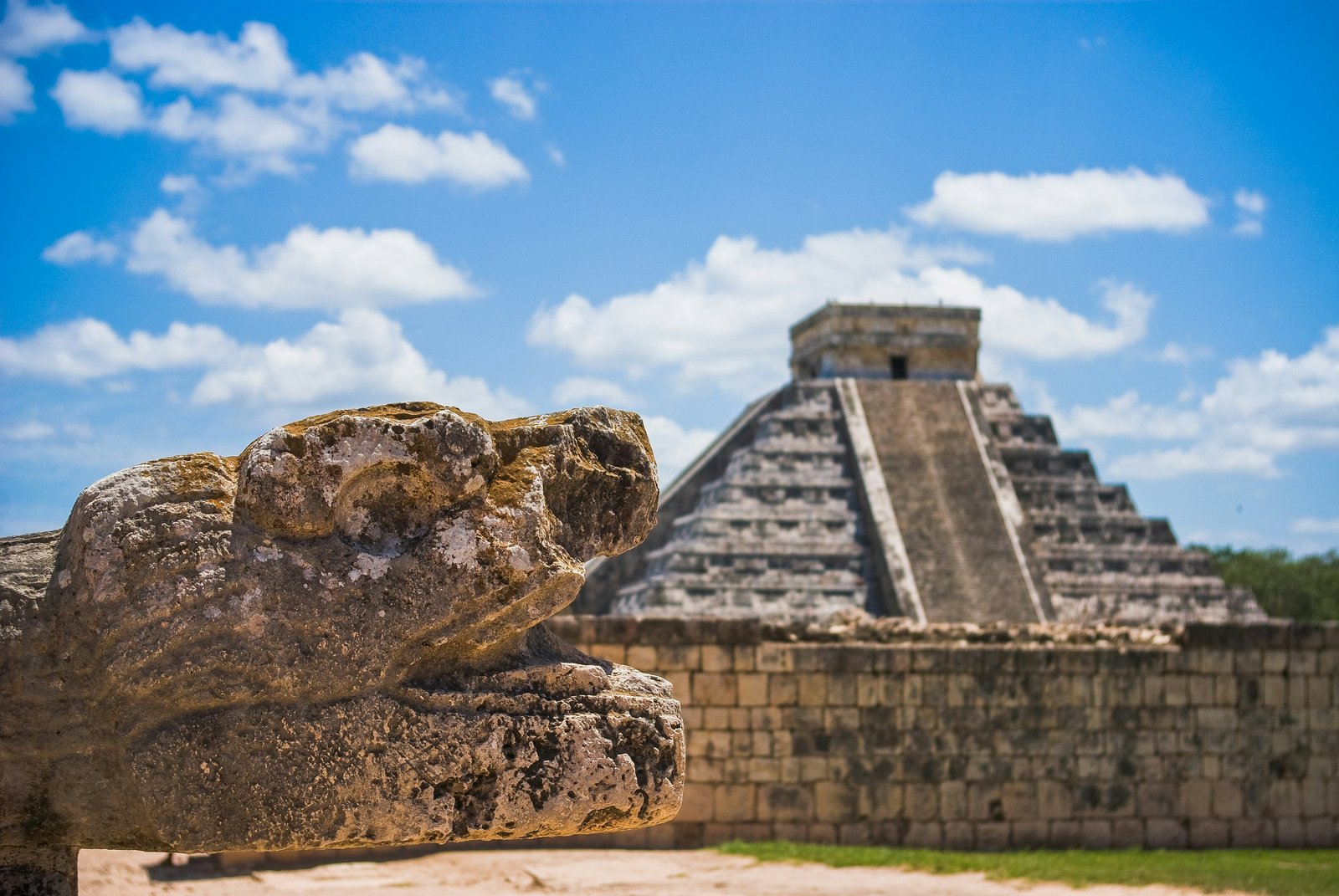
Mexico is home to some of the greatest archaeological sites in the Americas, including Teotihuacán, Chichén Itzá, Palenque, Uxmal, Monte Albán, Tulum, and Calakmul. Maya, Aztec, Zapotec, Mixtec, and other civilizations shaped a deep historical landscape that remains visible everywhere.
Food Culture
Mexican cuisine is one of the world's great culinary traditions. Tacos, mole, tamales, pozole, cochinita pibil, seafood, regional salsas, mezcal, tequila, street food, and fine dining all vary dramatically from state to state.
Beaches & Coasts
Mexico offers two very different coastal worlds: the Caribbean waters of Cancún, Riviera Maya, Cozumel, and Tulum; and the Pacific coast, including Puerto Vallarta, Sayulita, Zihuatanejo, Oaxaca's beaches, Mazatlán, and Baja California Sur.
Colonial Cities
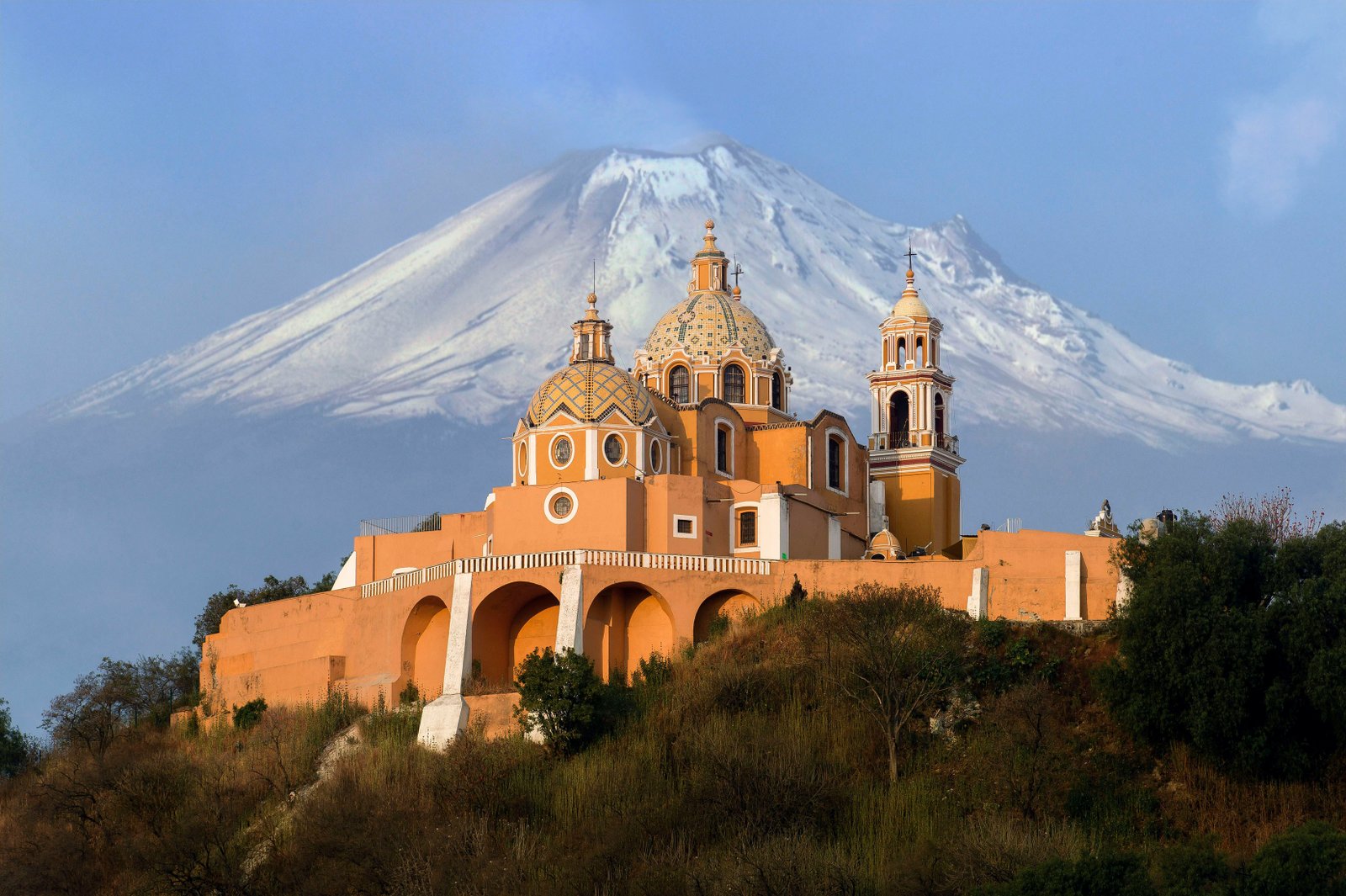
San Miguel de Allende, Guanajuato, Morelia, Puebla, Querétaro, Oaxaca, Mérida, and Zacatecas offer some of the finest colonial architecture and historic town centers in the Americas.
Adventure & Nature
Whale watching in Baja, diving in Cozumel, cenotes in the Yucatán, surfing in Oaxaca and Nayarit, hiking volcanoes, Copper Canyon rail journeys, monarch butterfly reserves, jungle ruins, and desert landscapes make Mexico one of the most varied adventure destinations in the region.
TOP EXPERIENCES
Plan around experiences, not just regions.
Mexico City
Spend several days exploring the Centro Histórico, the National Museum of Anthropology, Chapultepec Park, Frida Kahlo's Casa Azul, Roma and Condesa, Xochimilco, and the great food markets. A day trip to Teotihuacán is essential.
Teotihuacán
Just outside Mexico City, Teotihuacán is one of the most impressive ancient cities in the Americas. The Pyramid of the Sun, Pyramid of the Moon, and Avenue of the Dead give visitors a powerful sense of the scale and mystery of pre-Aztec Mexico.
Oaxaca
One of Mexico's most rewarding cultural destinations. Oaxaca combines colonial architecture, indigenous markets, mole, mezcal, textiles, crafts, and nearby ruins such as Monte Albán. The city is also a gateway to traditional villages and the Pacific beaches of Oaxaca.
Yucatán Peninsula
Mérida, Valladolid, Chichén Itzá, Uxmal, cenotes, haciendas, flamingo reserves, and colonial towns make the Yucatán one of Mexico's richest travel regions. It pairs easily with the Caribbean coast but deserves its own itinerary.
Riviera Maya & Cozumel
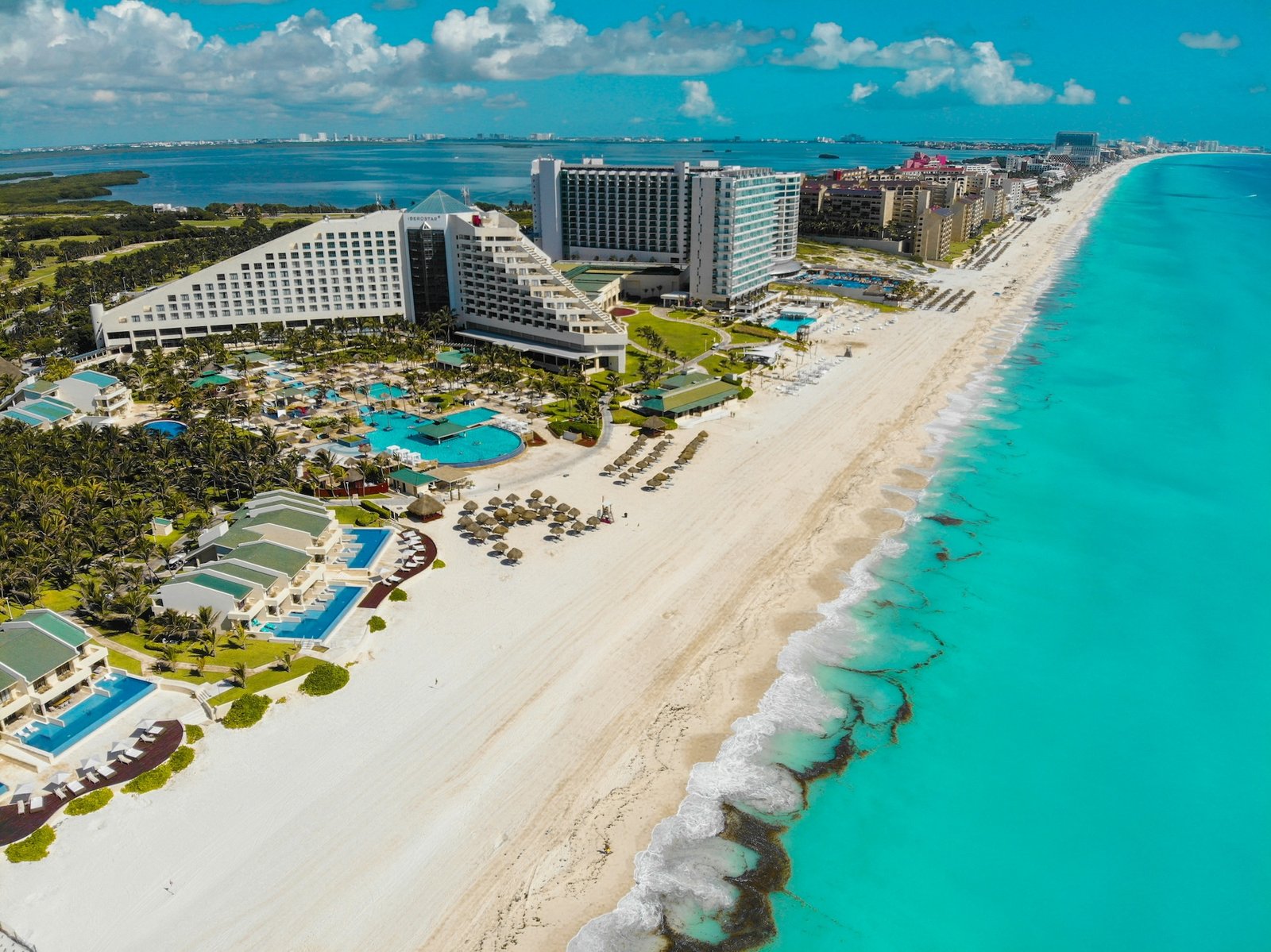
Cancún, Playa del Carmen, Tulum, Akumal, and Cozumel form Mexico's best-known Caribbean corridor. Cozumel is one of the world's premier drift-diving destinations. Tulum combines beaches, ruins, boutique hotels, and cenotes, though it is now heavily developed.
Baja California Sur
Los Cabos, La Paz, Todos Santos, Loreto, and the Sea of Cortez offer desert-meets-sea scenery, sportfishing, whale watching, kayaking, diving, and dramatic coastal landscapes. The Sea of Cortez is one of North America's great marine environments.
San Miguel de Allende & the Colonial Heartland
San Miguel de Allende is one of Mexico's most beautiful towns, known for its architecture, art community, restaurants, and expatriate presence. Guanajuato, Querétaro, and Morelia add depth to any colonial highlands itinerary.
Chiapas & Palenque
Chiapas is one of Mexico's most culturally and geographically distinctive regions. San Cristóbal de las Casas, indigenous villages, Sumidero Canyon, waterfalls, jungle, and the ruins of Palenque make this one of the country's most rewarding adventure-cultural regions.
Copper Canyon
Larger and in places deeper than the Grand Canyon, Copper Canyon is best experienced by rail on the Chihuahua-Pacific route. The region combines dramatic canyon scenery with Rarámuri indigenous culture and highland adventure.
Puerto Vallarta & Riviera Nayarit
Puerto Vallarta combines a real Mexican town, beaches, restaurants, nightlife, and access to the Bay of Banderas. North of town, Sayulita, San Pancho, Punta Mita, and the Riviera Nayarit offer surfing, boutique hotels, and a more relaxed Pacific coast feel.
WHEN TO VISIT MEXICO
Mexico's size and geographic variety mean that the best time to visit depends heavily on which region you're exploring.
Best Overall
November through April is generally the best window for much of Mexico, especially beach destinations, colonial cities, and the Yucatán. This is the dry season in many regions, with warm days and more comfortable travel conditions.
Mexico City & Central Highlands
Year-round, but March to May and October to November are especially pleasant. Mexico City's elevation keeps temperatures moderate, though spring can bring heat and pollution.
Caribbean Coast & Yucatán
December through April offers the most reliable weather. June through November is hurricane season, with the highest risk generally from August through October.
Pacific Coast
November through April is best for dry weather and beach travel. Summer can be hot and humid, especially along the southern Pacific coast.
Baja & Whale Watching
December through April is prime whale-watching season in Baja California Sur. Spring and fall are excellent for general travel. Summer can be extremely hot inland and in parts of the Sea of Cortez.
Oaxaca & Day of the Dead
Late October and early November are extraordinary in Oaxaca because of Day of the Dead celebrations. Book lodging far in advance.
TRAVEL ESSENTIALS
Airport Codes
MEX — Mexico City. NLU — Felipe Ángeles International. CUN — Cancún. GDL — Guadalajara. MTY — Monterrey. SJD — Los Cabos. PVR — Puerto Vallarta. MID — Mérida. OAX — Oaxaca. BJX — León / Guanajuato. HUX — Huatulco. PXM — Puerto Escondido. TGZ — Tuxtla Gutiérrez. TIJ — Tijuana.
Entry Requirements
Valid U.S. passport required. U.S. citizens do not need a tourist visa for typical short visits, but travelers should confirm current rules before departure. Mexico requires foreign visitors to present a valid, unexpired passport or travel document.
Tourist Taxes
Travelers to Quintana Roo destinations such as Cancún, Riviera Maya, Cozumel, and Tulum may be subject to the state's VISITAX tourism tax. Procedures and enforcement can change — check before departure.
Currency
Mexican Peso. Credit cards are widely accepted in cities, hotels, and established restaurants, but cash remains important for markets, taxis, small towns, tips, and local services. ATMs are common in major destinations.
Tipping
Tipping is customary. Restaurants generally 10–15%, more for excellent service. Hotel porters, guides, drivers, and housekeeping staff should be tipped according to service level. Cash tips are often appreciated.
Food & Drink
Regional specialties matter: mole in Oaxaca and Puebla, cochinita pibil in Yucatán, tacos al pastor in Mexico City, seafood on both coasts, birria in Jalisco, cabrito in the north, and countless local variations. Drink bottled or purified water.
Getting Around
Domestic flights are useful because Mexico is large. Long-distance buses can be excellent on major routes. Rental cars work well in the Yucatán, Baja, and many colonial regions, but driving conditions and safety vary by state. In Mexico City, rideshare and the Metro are practical.
Safety
Mexico's safety situation varies significantly by state and region. Many major tourist areas function normally, while some states and border areas carry serious warnings. Always check the current U.S. State Department advisory by state before planning routes.
Safety Advisory
The U.S. Department of State issues travel advisories for Mexico on a state-by-state basis, and understanding the distinction matters. Six states carry a Level 4: Do Not Travel advisory — Colima, Guerrero, Michoacán, Sinaloa, Tamaulipas, and Zacatecas — due to cartel activity concentrated in specific corridors. A further group of states carry a Level 3: Reconsider Travel advisory, including Baja California (most areas), Chihuahua, Coahuila, Durango, Guanajuato, Jalisco (most areas), Mexico State, Morelos, Nayarit (most areas), and Sonora. These are genuine advisories that should be taken seriously when planning routes.
Mexico's most visited tourism destinations are a different story. Mexico City, the Yucatán, Quintana Roo (Cancún, Riviera Maya, Cozumel, Tulum), Oaxaca, Puebla, Querétaro, Baja California Sur (Los Cabos, La Paz), Chiapas, and Nuevo León all carry a Level 2: Exercise Increased Caution advisory — the same rating applied to France, Germany, and the United Kingdom. Tens of millions of visitors travel to these destinations every year without incident. Crime in established tourist areas is generally not targeted at visitors, and the resort and cultural corridors that most travelers use operate at international standards. The sensible precautions that apply anywhere — awareness of surroundings, reputable transportation, avoiding unfamiliar areas after dark — apply here. Always verify current conditions by state at travel.state.gov before finalizing your itinerary.
KEY AREAS
The main travel regions — each distinct enough to justify its own trip.
Mexico City & Central Mexico
The cultural, political, and culinary heart of the country. Mexico City deserves several days by itself, with easy extensions to Puebla, Cholula, Taxco, Cuernavaca, and Teotihuacán.
The Colonial Heartland
San Miguel de Allende, Guanajuato, Querétaro, Morelia, and Zacatecas form one of the finest colonial travel corridors in the Americas, combining architecture, history, art, and highland scenery.
Oaxaca
A world-class cultural region with food, crafts, indigenous villages, markets, ruins, mountains, and beaches. Oaxaca City and the Pacific coast can be combined into one of Mexico's best two-part itineraries.
Yucatán Peninsula
Mérida, Valladolid, Uxmal, Chichén Itzá, cenotes, haciendas, and biosphere reserves create a rich inland complement to the Caribbean beach corridor.
Riviera Maya & Quintana Roo
Cancún, Playa del Carmen, Tulum, Cozumel, Isla Mujeres, Bacalar, and the Costa Maya form Mexico's best-known international beach region. Best for beaches, diving, snorkeling, cenotes, resorts, and easy logistics.
Baja California & Sur
A long desert peninsula with two personalities: wine country and border culture in the north; Los Cabos, La Paz, Loreto, whales, islands, and Sea of Cortez adventure in the south.
Pacific Coast
Puerto Vallarta, Riviera Nayarit, Mazatlán, Zihuatanejo, Huatulco, Puerto Escondido, and smaller surf towns offer a more varied and often more Mexican-feeling beach experience than the Caribbean side.
Chiapas
One of Mexico's most culturally distinctive and scenic states, with San Cristóbal de las Casas, indigenous communities, Sumidero Canyon, waterfalls, cloud forest, and Palenque.
Northern Mexico
Often overlooked by leisure travelers, northern Mexico includes Monterrey, Chihuahua, Copper Canyon, desert landscapes, wine regions, and important business centers. Best approached with careful planning and current safety awareness.
PARKS & WILDLIFE
Nature, reefs, and wild places — from Caribbean biospheres to Baja's marine world.
Sian Ka'an Biosphere Reserve
A vast protected area south of Tulum, with lagoons, mangroves, reefs, birds, dolphins, turtles, and low-impact eco-tours. One of the most important natural areas on the Caribbean coast.
Sea of Cortez
Jacques Cousteau famously called it the "aquarium of the world." Travelers can kayak, snorkel with sea lions, dive, whale watch, and explore islands from La Paz, Loreto, and other Baja bases.
Monarch Butterfly Biosphere Reserve
Each winter, millions of monarch butterflies arrive in the highland forests of Michoacán and the State of Mexico. The experience is seasonal, delicate, and unforgettable.
Sumidero Canyon
Near Tuxtla Gutiérrez in Chiapas, this dramatic canyon is usually visited by boat, with towering walls, crocodiles, birdlife, and easy access from San Cristóbal de las Casas.
Copper Canyon
A vast canyon system in Chihuahua with dramatic viewpoints, rail travel, hiking, indigenous communities, and highland adventure — larger and in places deeper than the Grand Canyon.
Cozumel Reefs National Park
One of the Caribbean's premier diving areas, known for drift diving, clear water, coral walls, turtles, rays, and abundant marine life.
Calakmul Biosphere Reserve
Deep in Campeche near the Guatemalan border, Calakmul combines major Maya ruins with one of the largest tropical forest reserves in Mexico. Remote, wild, and ideal for serious archaeology and nature travelers.
Traveler Questions
MEXICO TRAVEL FAQ
Is Mexico safe for tourists?
Mexico is one of the most visited destinations in the world, and the vast majority of travelers have entirely safe, rewarding trips. The key is knowing where to go. Tourist-oriented areas like Mexico City's historic center, Oaxaca, the Yucatan Peninsula, Los Cabos, and San Miguel de Allende are well-traveled and generally safe. As anywhere, exercise normal urban awareness and follow current travel advisories for specific states.
What is the best time to visit Mexico?
Mexico is a year-round destination, but the dry season from November through April is ideal for most regions. Beach destinations on the Caribbean coast (Tulum, Playa del Carmen) peak in December through March. Oaxaca shines for the Día de los Muertos celebrations in late October and November. The summer rainy season brings lush green landscapes in the interior but also humidity and occasional hurricane risk on both coasts.
Do U.S. citizens need a visa for Mexico?
No. U.S. citizens do not need a visa for tourist visits to Mexico. A valid U.S. passport is required. Entry is straightforward at major airports and land borders, and you will receive a tourist permit upon arrival.
How many days should I spend in Mexico?
Mexico rewards time. A week works for a focused trip — say Mexico City plus Oaxaca or the Yucatán. Two weeks allows you to meaningfully combine two or three regions. Mexico City alone can easily fill five or six days; add the Yucatán Peninsula and you’ve built a solid two-week itinerary.
LOCAL SPECIALISTS WE TRUST
These operators design custom trips around the regions and experiences above. Selected for deep local knowledge, safety standards, and small-group focus. We’re not a booking site — we simply introduce you to people doing exceptional work.
Nationwide & Luxury Custom
Journey Mexico
High-end custom itineraries across Mexico. Archaeologist-led culture tours, private villas, and access specialists.
Best for: Luxury travelers, archaeology, food, and families wanting seamless logistics.
SAT Mexico Tour & Travel
Wide range of custom and set-departure tours covering classics like Copper Canyon, Maya ruins, and colonial cities.
Best for: First-time visitors wanting a full-country overview with local guides.
Community & Sustainable Travel
Rutopía
Direct-to-community travel. Indigenous-led experiences in Chiapas, Oaxaca, Yucatán. Strong sustainability focus.
Best for: Travelers wanting authentic village stays, crafts, and conservation impact.
Authentic Mexico Tours
Small-group and private tours focused on culture, food, and off-the-beaten-path regions.
Best for: Cultural immersion, markets, cooking, and lesser-visited states.
Multi-Day Tours & Regions
Mexico Top Tours
Curated day trips and multi-day tours from Mexico City, Cancun, and other hubs. Good mix of ruins, nature, and culture.
Best for: Travelers building trips around one or two base cities.
Latin Travel does not book tours directly. These are editorial selections. Please mention Latin Travel when you contact them — it helps us keep this guide current.