Overview
THE LAYERED CONTINENT
Few destinations in the world offer the range, depth, and mystery of Peru.
From the soaring Andes to the vast Amazon rainforest and the stark beauty of its Pacific desert coast, Peru delivers one of the most diverse travel experiences anywhere in Latin America. It’s a country where ancient civilizations, colonial history, and modern culture intersect in powerful ways.
Travelers come for icons like Machu Picchu and the enigmatic Nazca Lines, but stay for everything in between — Amazon river expeditions, world-class cuisine, vibrant indigenous markets, and dramatic landscapes that shift quickly from ocean to jungle to high-altitude peaks.
Whether you’re exploring the former Inca capital of Cusco, cruising the Amazon from Iquitos, or dining in cosmopolitan Lima, Peru offers a depth of experience that rewards both first-time visitors and seasoned travelers.
Best for travelers who want ancient history, diverse landscapes, world-class cuisine, and authentic cultural encounters — all in one extraordinary destination.
Geography
WHERE EVERYTHING IS
Peru spans three strikingly different worlds: the narrow Pacific desert coast, the high Andean spine with Cusco at its center, and the vast Amazon basin that covers nearly 60% of the country. Click any marker to see what’s there.
Tap or click markers for details. Pinch / scroll to zoom.
Why Go
WHAT MAKES PERU EXTRAORDINARY
Ancient Civilizations
From the Inca Empire to the Nazca, Moche, and Chimú — Peru holds more layers of pre-Columbian history than almost anywhere on earth.
Culinary Capital
Lima has become one of the world’s top food cities, with a cuisine built on extraordinary biodiversity and centuries of cultural fusion.
Landscape Diversity
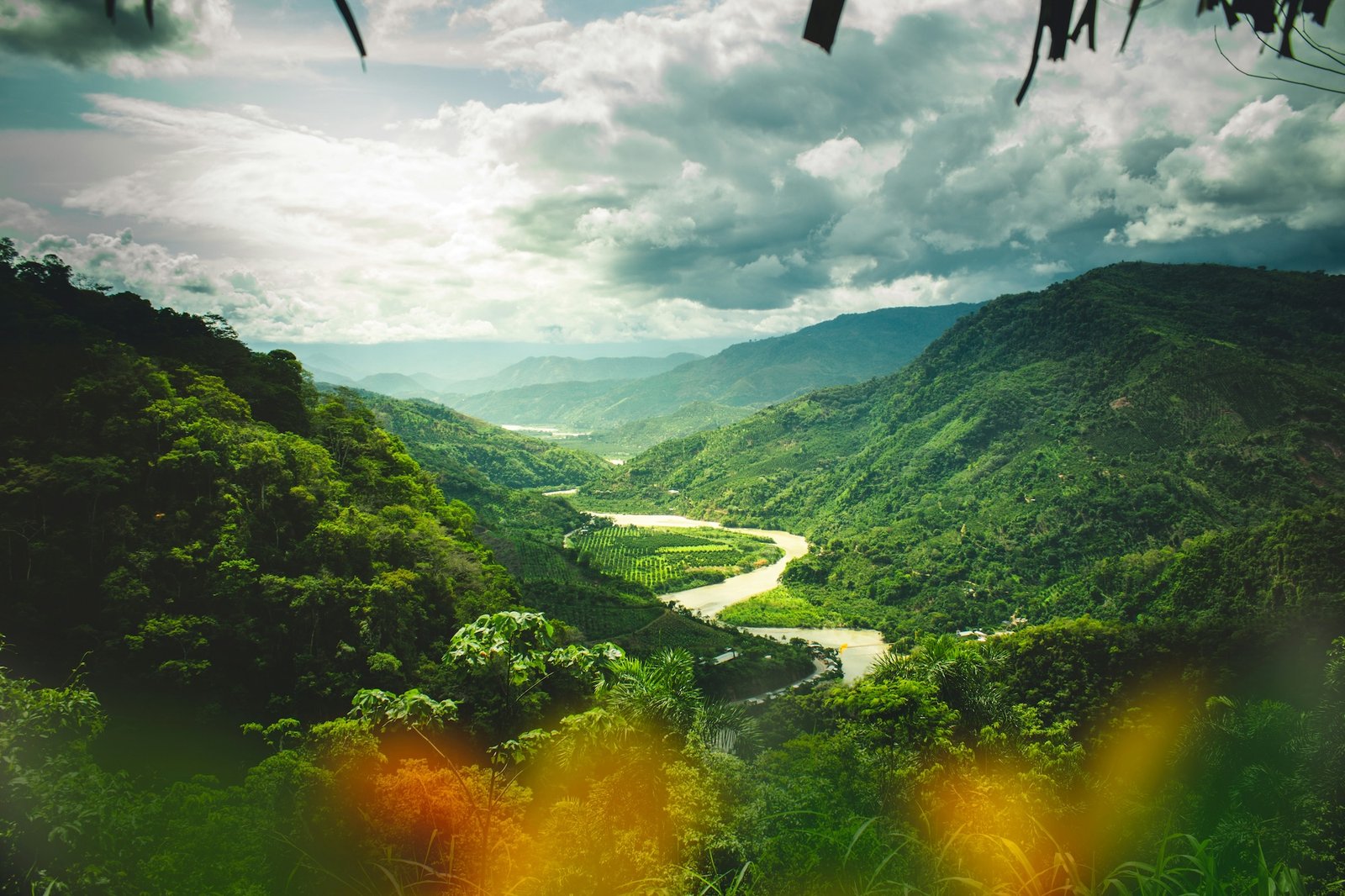
Ocean desert, Andean highlands, cloud forest, and Amazon rainforest — no other country in Latin America offers terrain this varied in one trip.
Amazon Access
Peru’s Amazon basin is among the most biodiverse regions on earth, with accessible lodge and river expedition options from Iquitos and Puerto Maldonado.
Living Indigenous Culture
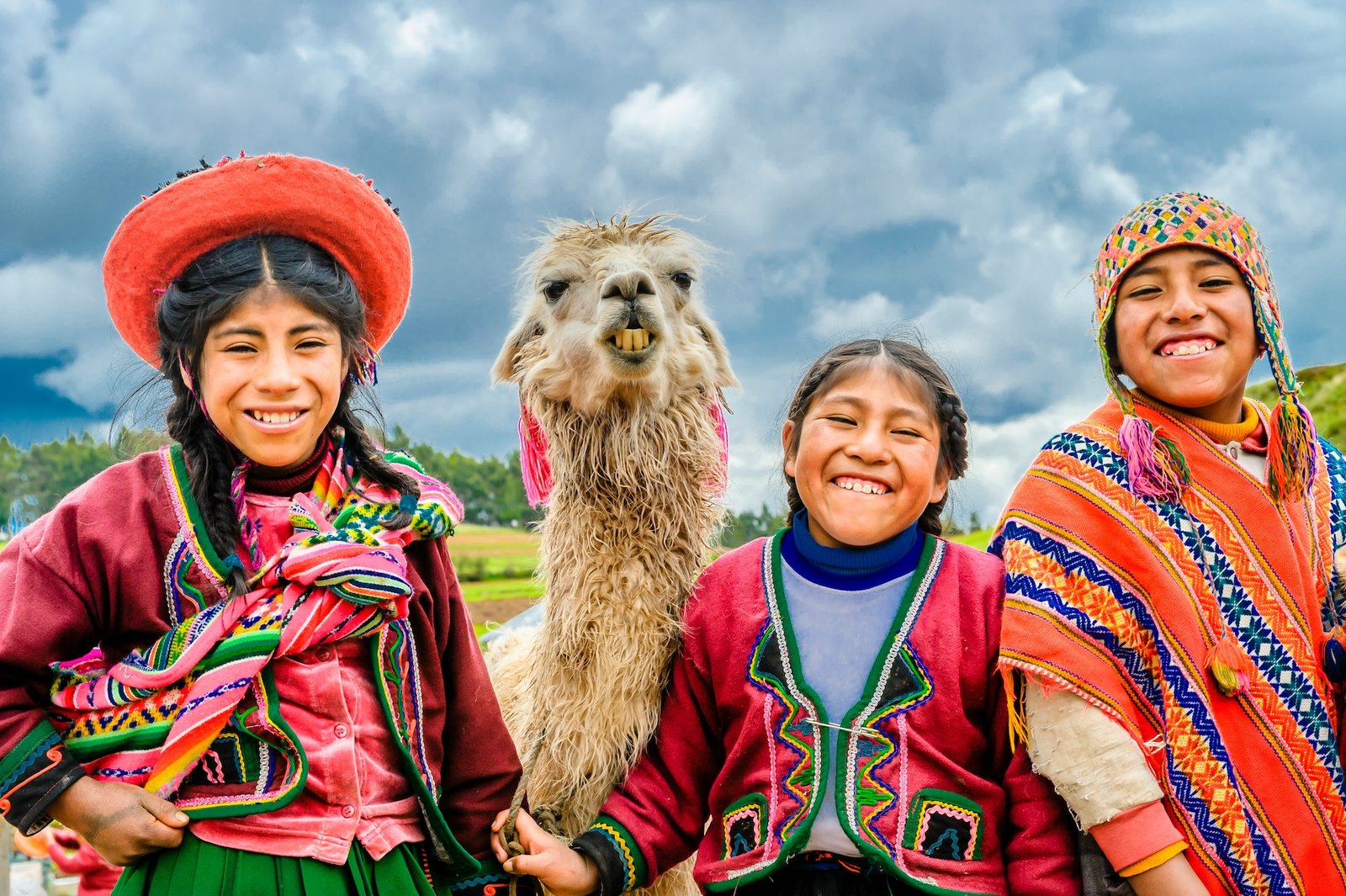
From the Uros floating islands of Lake Titicaca to Andean markets in the Sacred Valley, traditional cultures remain deeply connected to their past.
Adventure
Trekking, rafting, mountain biking, and high-altitude climbing in the Andes make Peru one of South America’s premier adventure destinations.
Top Experiences
PLAN AROUND EXPERIENCES, NOT JUST REGIONS
Machu Picchu
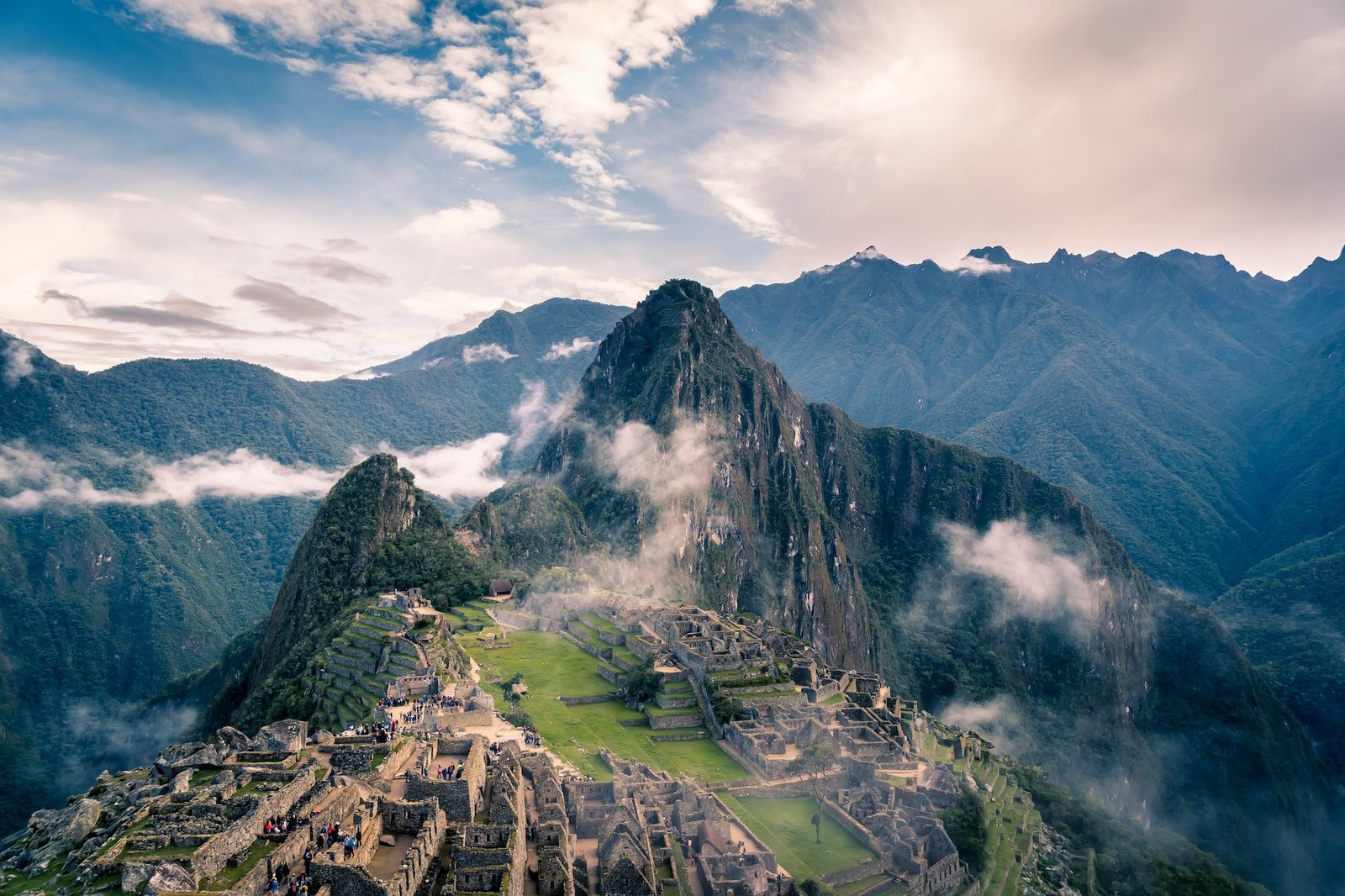
One of the most extraordinary archaeological sites in the world — perched high in the Andes, remarkably intact, and endlessly fascinating. Come early, stay late.
Nazca Lines
One of archaeology’s great mysteries — vast geoglyphs etched into the desert, best seen from a light aircraft flight over the pampa.
Amazon Expeditions
River cruises and jungle lodges from Iquitos or Puerto Maldonado offer exceptional wildlife viewing, including some of the most biodiverse ecosystems on earth.
Cusco & the Sacred Valley
The former Inca capital, surrounded by fortress ruins, colonial churches, and ancient towns like Pisac and Ollantaytambo just down the valley.
Lima’s Food Scene
From street ceviche to internationally acclaimed restaurants, Lima is one of the world’s great culinary cities — worth a full two to three days on its own.
Lake Titicaca
The world’s highest navigable lake, shared with Bolivia, home to the remarkable floating reed islands of the Uros people and an atmosphere unlike anywhere else.
Andean Trekking
The Inca Trail to Machu Picchu is the classic, but the Cordillera Blanca near Huaraz offers world-class high-altitude trekking with fewer crowds.
Kuélap & the North
Often called the “other Machu Picchu,” this massive pre-Inca fortress in the cloud forest remains far less visited and deeply impressive.
Timing
WHEN TO VISIT PERU
Andes & Machu Picchu
May to October is the dry season in the highlands — clearer skies, drier trails, and the best conditions for Machu Picchu and Cusco.
Amazon Basin
Year-round, with different advantages each season. High water (Nov–May) makes river travel easier; low water (Jun–Oct) concentrates wildlife along banks.
Lima & the Coast
The coast is mild year-round but overcast in southern winter. December to April brings the best sun to Lima and the coast.
Altitude Note
Cusco sits above 11,000 ft and Puno above 12,500 ft. Build in at least one to two days at altitude before major activity. Altitude sickness is real — plan accordingly.
Travel Essentials
FACTS & PRACTICAL DETAILS
Key Areas
THREE WORLDS IN ONE COUNTRY
Peru divides naturally into three distinct zones — each with its own geography, culture, and character. Most travelers mix two or three on a single trip.
Lima & the Desert Coast
The capital blends colonial history with modern energy. Highlights include the Plaza de Armas, the Larco Museum, and coastal neighborhoods like Miraflores and San Isidro. South of Lima: Paracas (marine reserve and the Candelabra geoglyph), Ica (pisco country and massive dunes), Nazca (the Lines), and Trujillo (Chan Chan, the largest adobe city in the Americas).
Cusco & the Andean Highlands
The former Inca capital is the gateway to Machu Picchu and the Sacred Valley towns of Pisac and Ollantaytambo. Further afield: Puno and Lake Titicaca (the floating islands of the Uros), Arequipa (the White City, set beneath El Misti volcano), Huaraz (gateway to the Cordillera Blanca), and Kuélap in the cloud forest north.
The Amazon Basin
Nearly 60% of Peru is Amazon rainforest. Iquitos — the largest city in the world inaccessible by road — is the gateway for river cruises and jungle lodges in the north. Puerto Maldonado gives access to Tambopata National Reserve and Manu National Park in the south, considered some of the best wildlife habitat in the entire Amazon.
Parks & Wildlife
PROTECTED LANDS & NATURAL WONDERS
Peru’s protected areas range from high-altitude Andean peaks to cloud forests and one of the most biodiverse corners of the Amazon basin — a natural world on a scale few countries can match.
Manu National Park
A UNESCO World Heritage Site and one of the most biodiverse places on earth, spanning cloud forest to lowland Amazon. Accessible from Cusco via Puerto Maldonado.
Tambopata National Reserve
A southern Amazon reserve near Puerto Maldonado, known for exceptional wildlife: macaws, giant river otters, caimans, monkeys, and hundreds of bird species.
Huascarán National Park
A UNESCO-listed park in the Cordillera Blanca near Huaraz, home to Peru’s highest peak and some of South America’s finest high-altitude trekking.
Paracas National Reserve
A coastal desert reserve protecting marine life, seabird colonies, and the dramatic Ballestas Islands — and the site of the mysterious Candelabra geoglyph.
Lake Titicaca
The world’s highest navigable lake at over 12,500 ft, shared with Bolivia. Home to the Uros floating islands and the island communities of Taquile and Amantaní.
Amazon River System
The headwaters of the Amazon begin in Peru. The vast river network around Iquitos offers some of the most remote and rewarding wildlife expeditions in South America.
Traveler Questions
PERU TRAVEL FAQ
How far in advance should I book Inca Trail permits?
The Inca Trail has strictly enforced permit quotas and sells out many months in advance — especially for the classic 4-day route during the peak months of June through August. The standard advice is to book 6 to 12 months ahead if you have specific dates. The trail is closed in February for maintenance. Alternatives like the Salkantay Trek, Lares Trek, or Inca Jungle Trail do not require the same advance booking and are excellent options. Machu Picchu itself requires timed-entry tickets and circuit reservations, which also sell out.
Is altitude a serious concern in Peru?
Altitude is the single most important practical consideration for Peru. Cusco sits at 3,400 meters (11,150 ft) and the Inca Trail reaches passes above 4,200 meters. Lake Titicaca is at 3,800 meters. Most travelers experience some degree of altitude adjustment — headache, fatigue, shortness of breath. The standard advice: fly into Cusco, rest for 24–48 hours before hiking, stay hydrated, avoid alcohol initially, eat light, and consider coca tea (widely available and effective). Acetazolamide (Diamox) helps some travelers.
What is the best time to visit Peru?
The dry season from May through October is the classic time for trekking, Machu Picchu visits, and exploring Cusco and the Sacred Valley. July and August are peak months with larger crowds. The wet season from November through April brings daily rain in the highlands but transforms the Inca Trail into a tunnel of green — and the Inca Jungle trails are at their most dramatic. Lima is overcast and cool from June through November (the “garúa” season) but the coast and the Amazon are drier.
Can I visit Peru on a budget?
Yes, though costs have risen. Lima, Cusco, and the Sacred Valley have extensive budget accommodation and excellent cheap local food (menú del día lunches are one of travel’s great bargains). Machu Picchu entrance fees, Inca Trail permits, and quality transportation add up quickly. The key: book Machu Picchu and trail permits far in advance (before price increases and sell-outs), eat where locals eat, take local buses between cities when time allows, and prioritize the experiences that genuinely matter to you.
Adventure Tours
FEATURED PERU ADVENTURES
Peru is where Jim Woodman III made history flying a balloon over the Nazca Lines. Jim Woodman IV has trekked it, rafted it, and explored its Amazon. These are the tours they consider essential.
The Inca Trail to Machu Picchu
The classic 4-day trek through cloud forest and Inca ruins to the Sun Gate above Machu Picchu. Permits sell out months in advance — planning is essential. Alternative routes also available.
Best for: Trekkers · Duration: 4–7 days
Book with a specialist
Apus Peru Peru Treks Amazonas ExplorerAmazon River Lodge Expedition
From Iquitos or Puerto Maldonado, into some of the most biodiverse rainforest on earth. Pink river dolphins, giant otters, piranha fishing, night canoeing, and indigenous community visits.
Best for: Nature lovers · Duration: 4–8 days
Book with a specialist
Rainforest Expeditions InkaterraNazca Lines Flight & Desert Coast
A light aircraft flight over the Nazca Lines — the geoglyphs Jim Woodman III proved could be seen from the air. Combined with Paracas reserve and Ballestas Islands. A deeply personal trip for our team.
Best for: All travelers · Duration: 2–3 days
Book with a specialist
Peru Treks Amazonas ExplorerSacred Valley & Cusco Deep Dive
Beyond Machu Picchu: market days at Pisac, the fortress at Ollantaytambo, Andean cooking classes, mountain biking descents from the passes, and the quieter side of Cusco’s Inca heritage.
Best for: Culture & adventure mix · Duration: 5–9 days
Book with a specialist
Apus Peru Peru Treks InkaterraLOCAL SPECIALISTS WE TRUST
Peru has one of the strongest specialist operator communities in South America. Machu Picchu permits, Inca Trail logistics, Amazon lodges, and high-altitude travel all reward working with people who know exactly what they’re doing.
Inca Trail & Sacred Valley
Apus Peru
Cusco-based trekking specialists with one of the strongest reputations for the Inca Trail, Salkantay, Lares, and Choquequirao routes. Fair-trade porter policies, small groups, and expert local guides. Consistent award-winner for responsible trekking.
Best for: The Inca Trail and alternative treks — serious logistics, ethical practices, and outstanding guide quality.
Amazonas Explorer
Adventure and cultural travel specialists covering the Inca Trail, white-water rafting on the Urubamba and Apurímac, Machu Picchu, and multi-activity Peru itineraries. UK-based with a permanent Cusco operation and deep field experience.
Best for: Active travelers combining trekking with rafting, biking, or kayaking across multiple Peru regions.
Amazon & Wildlife
Rainforest Expeditions
Pioneers of community-based Amazon tourism in Peru. Operates three exceptional lodges in the Tambopata Reserve — including the remote Refugio Amazonas — with some of the best macaw clay lick access and wildlife sightings in the Amazon basin.
Best for: The Tambopata Amazon — serious wildlife, macaw clay licks, and community-based lodge experiences at their best.
Inkaterra
Peru’s leading eco-luxury lodge group — Machu Picchu Pueblo Hotel, Hacienda Concepción in the Amazon, and Hacienda Urubamba in the Sacred Valley. Combines exceptional comfort with genuine conservation programming and naturalist guides.
Best for: Luxury travelers wanting Peru’s finest lodge experiences with serious ecology and wildlife programs.
Custom & Nationwide
Inca Expert
Inca Expert has been crafting custom boutique tours to Peru and South America since 1998, with deep expertise in Machu Picchu, the Galapagos, and beyond, all backed by a team of locally based travel advisors and partnerships with world-class culinary experiences like Virgilio Martinez's MIL restaurant.
Best for: Discerning travelers who want a fully personalized, white-glove Peru or South America itinerary with access to exclusive foodie and cultural add-ons.
Latin Travel does not book tours directly. These are editorial selections. Please mention Latin Travel when you contact them — it helps us keep this guide current.