Some places in Latin America are best understood from a plaza café or a beach chair. Others require movement — long days on foot through cloud forests, across high passes, beside glaciers, or into jungle ruins that still feel only partially reclaimed from the wilderness. What makes trekking in Latin America extraordinary is not simply the scenery. It is the scale and variety. In a single continent one can walk ancient Inca roads above the Sacred Valley, cross the granite valleys of Patagonia beneath condors and ice fields, climb active volcanoes in Guatemala, or disappear into remote jungle basins where howler monkeys replace highway noise.
These are not amusement-park adventures. Many of the great Latin American treks remain physically demanding, weather-dependent, and deeply tied to the landscapes and cultures through which they pass. Yet that is precisely what gives them their power. The reward is not merely arrival. It is immersion. For travelers willing to slow down and walk, Latin America still offers some of the world’s most memorable journeys.
At a Glance
QUICK GUIDE
| Trek | Country | Best For | Difficulty | Best Season |
|---|---|---|---|---|
| Inca Trail | Peru | First iconic trek | Moderate | May – September |
| Torres del Paine W Trek | Chile | Patagonia scenery | Moderate | November – March |
| Fitz Roy & El Chaltén | Argentina | Day hiking | Moderate | November – March |
| Lost City Trek | Colombia | Jungle adventure | Moderate – Hard | December – March |
| Quilotoa Loop | Ecuador | Culture + Andes | Moderate | June – September |
| El Mirador Trek | Guatemala | Remote archaeology | Hard | December – April |
| Chapada Diamantina | Brazil | Waterfalls & canyons | Moderate | May – September |
| Acatenango Volcano | Guatemala | Volcano summit camping | Moderate – Hard | November – April |
Trek 01 · Peru
THE INCA TRAIL
The Classic South American Trek
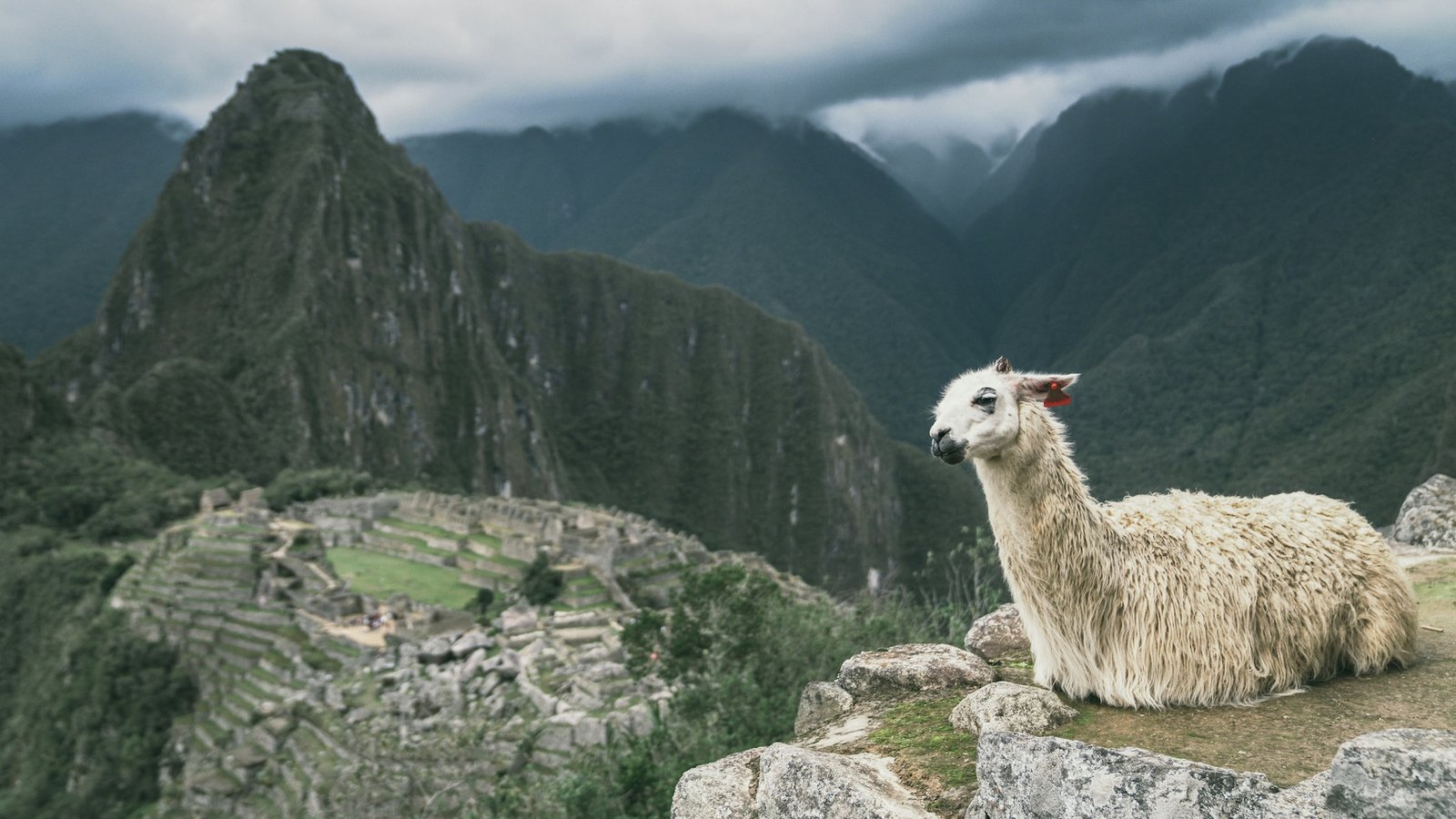
No trek in Latin America carries the same mythology as the Inca Trail. Even travelers who know little about Peru recognize the image: stone pathways winding through misty mountain passes before descending toward Machu Picchu at sunrise.
Yet what surprises many first-time hikers is how much of the experience has little to do with Machu Picchu itself. The trail is a journey through multiple ecosystems and centuries of Andean history. One climbs through cloud forest, traverses high alpine passes, and encounters isolated Inca ruins that would be major attractions almost anywhere else in the world.
The route is carefully regulated and permits sell out months in advance during high season. Trekkers should plan early and choose operators carefully, as the quality of guides and porter treatment varies significantly.
Operators for this trek
Trek 02 · Chile
TORRES DEL PAINE W TREK
Patagonia at Full Scale
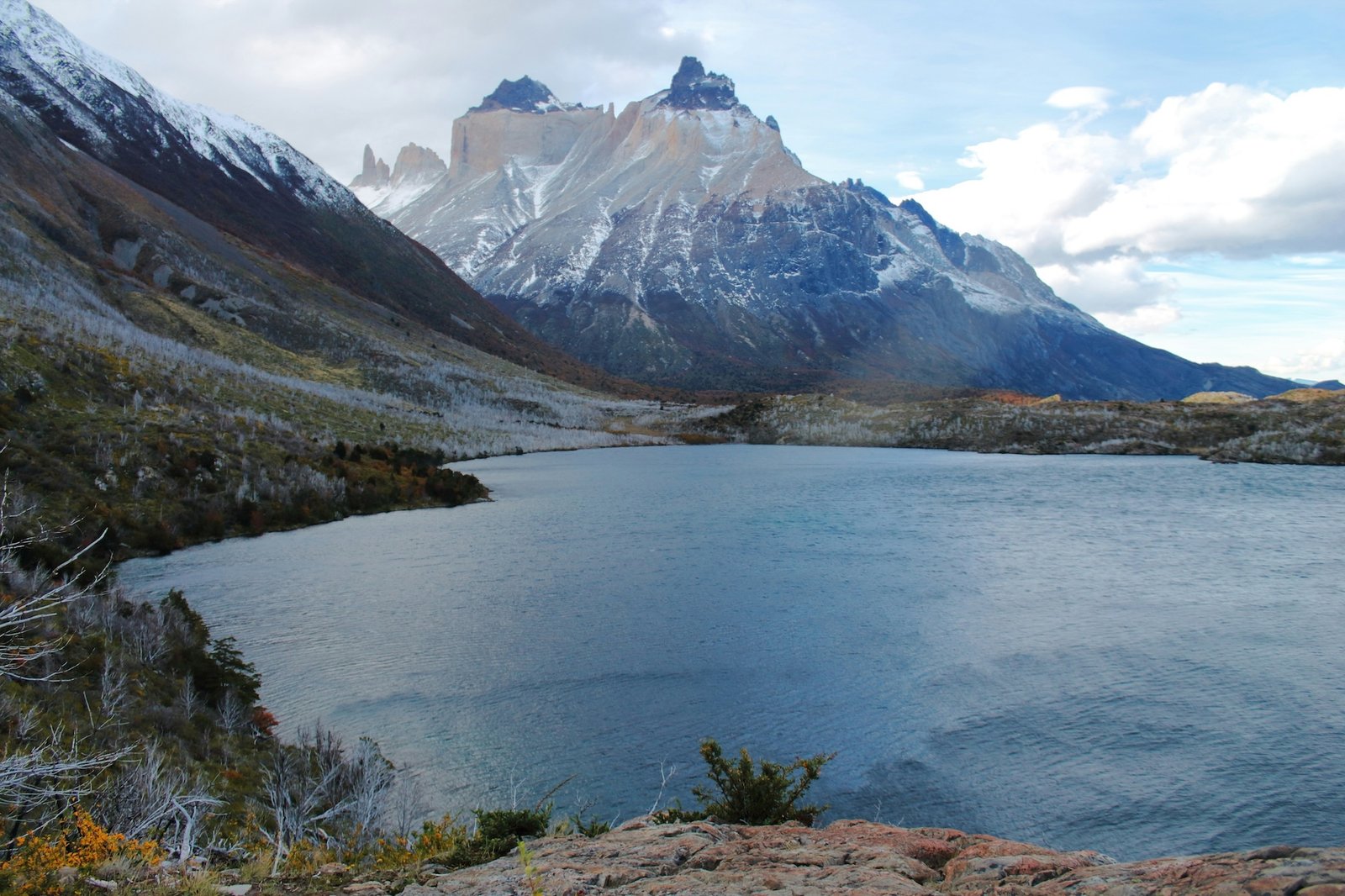
If the Inca Trail is defined by history, Patagonia is defined by raw geography. Torres del Paine National Park in southern Chile contains some of the most dramatic mountain scenery on earth: granite towers, turquoise glacial lakes, vast valleys, hanging glaciers, and weather systems that can change completely within an hour.
The famous W Trek allows hikers to experience the park’s major highlights over four to six days without requiring technical mountaineering skills. Refugios and campsites create flexibility for both independent travelers and guided groups. Patagonia’s weather is part of the experience — strong winds, sudden rain, and rapidly shifting conditions are common even during summer months.
Operators for this trek
Trek 03 · Argentina
FITZ ROY & EL CHALTÉN
Patagonia Without the Expedition Logistics
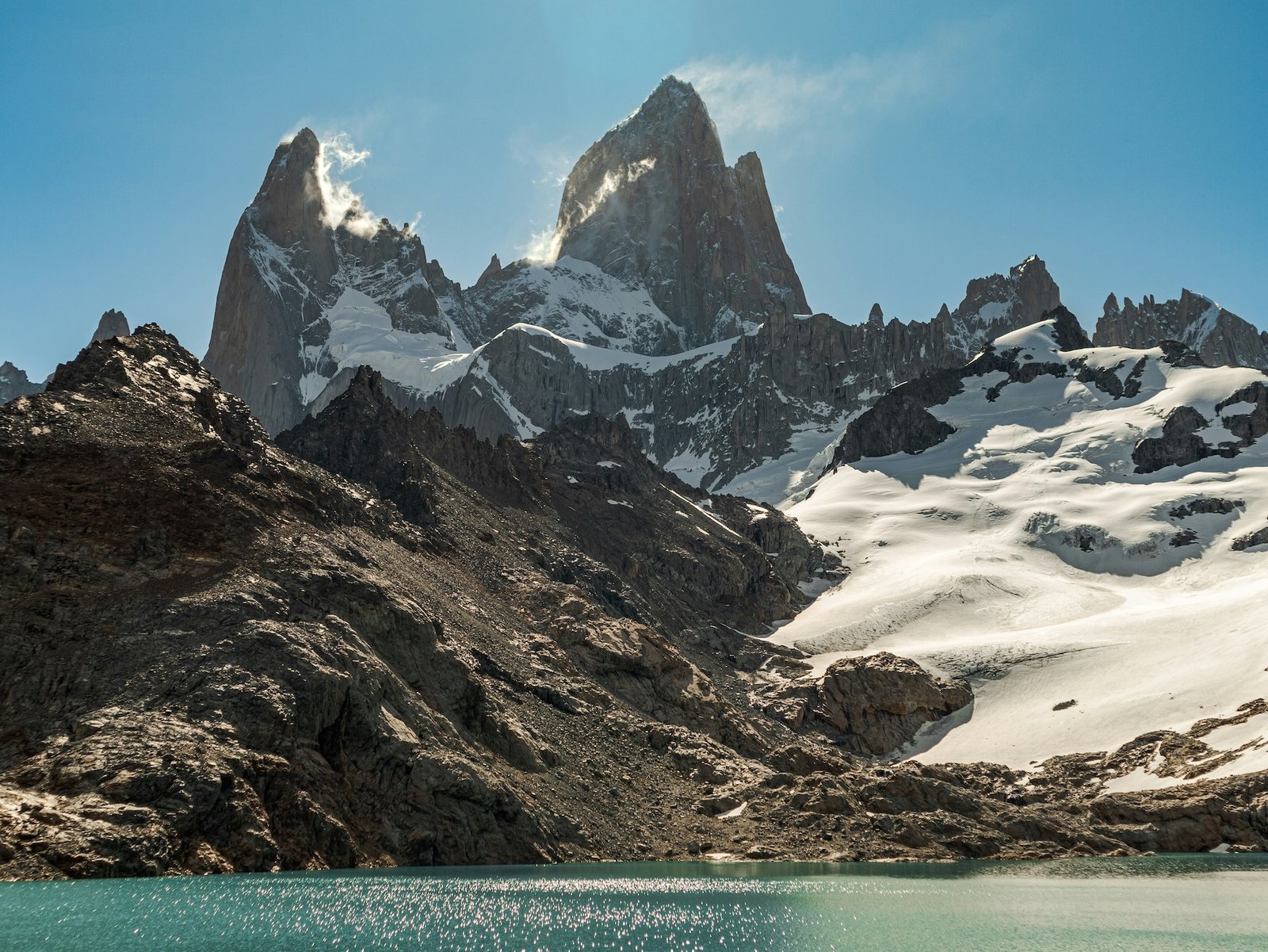
El Chaltén, in Argentine Patagonia, has become one of the world’s great hiking towns for a simple reason: extraordinary trails begin almost directly from town. Unlike more remote trekking systems that require camping logistics, many of the region’s best hikes can be completed as day excursions while returning to comfortable lodging each evening.
The towering granite spires of Fitz Roy dominate the skyline, especially at sunrise when the mountains glow orange above glacial lakes and lenga forests. The trails are well marked, independent travel is easy, and the scenery rivals almost anywhere in South America.
Operators for this trek
Trek 04 · Colombia
LOST CITY TREK
Into the Jungle of the Sierra Nevada
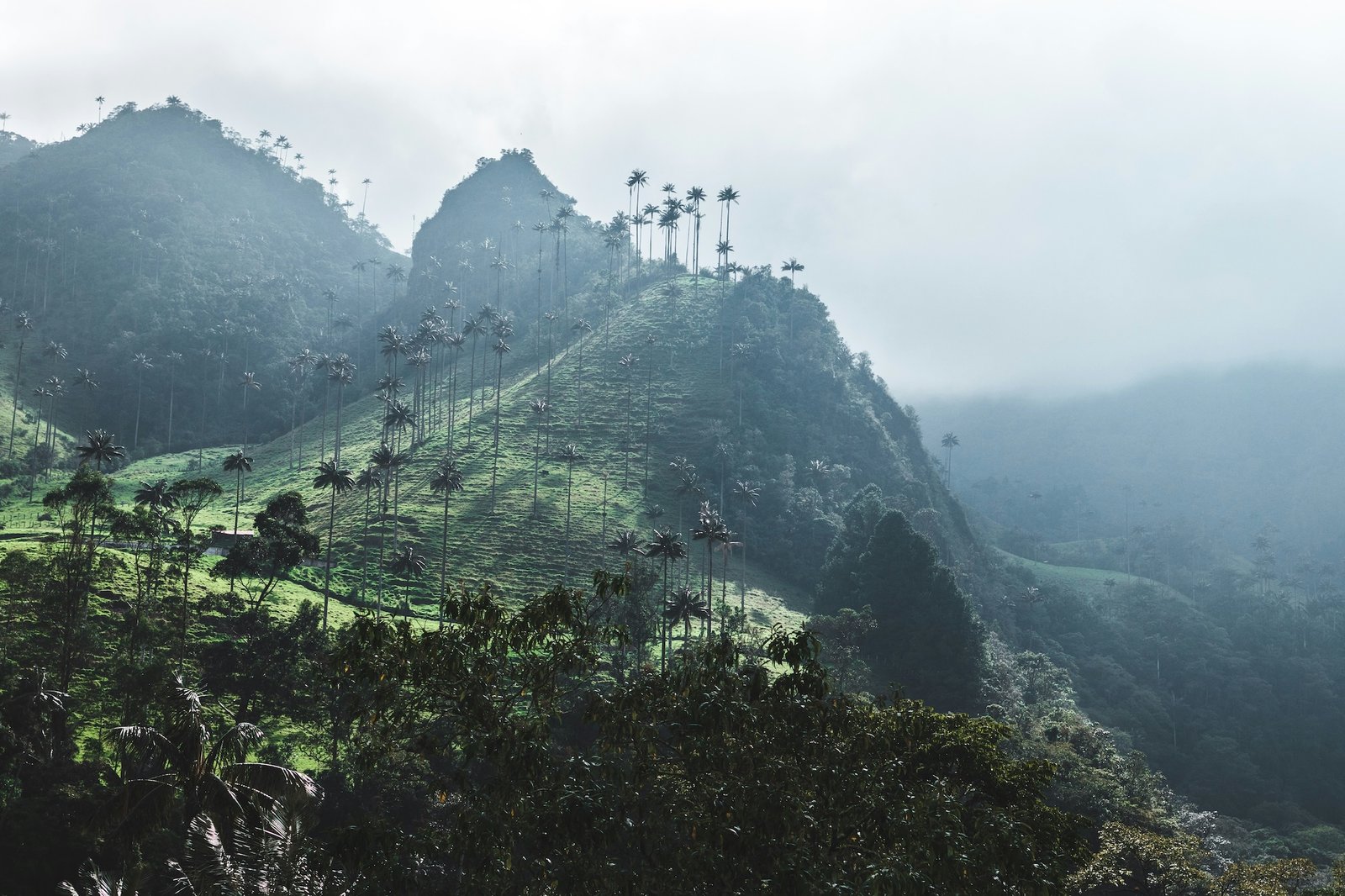
Long before travelers arrive at Colombia’s “Lost City,” they hear it. Jungle insects. River crossings. Rain on tropical leaves. The distant sounds of howler monkeys. The Lost City Trek to Ciudad Perdida is one of Latin America’s most immersive jungle experiences. Reached only on foot through the Sierra Nevada mountains near the Caribbean coast, the route combines indigenous culture, dense rainforest, humidity, and archaeological ruins that remain far less visited than Machu Picchu.
The physical demands are moderate to difficult primarily because of heat, mud, river crossings, and steep stone staircases — rather than altitude. This is a trek defined by atmosphere rather than elevation.
Operators for this trek
Trek 05 · Ecuador
QUILOTOA LOOP
The Andes at Human Scale
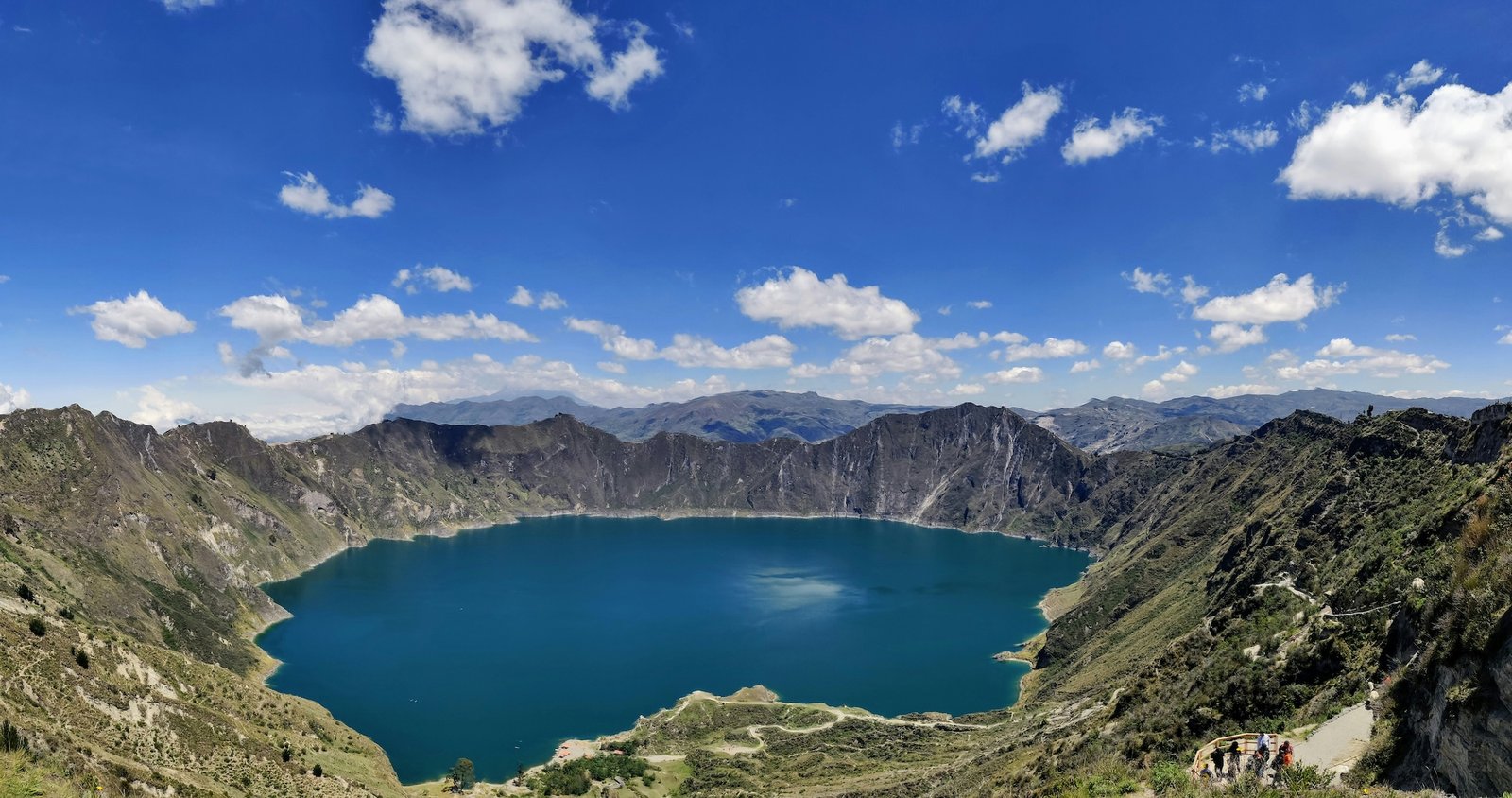
Ecuador’s Quilotoa Loop lacks the global fame of Patagonia or Peru, but many experienced travelers quietly consider it one of South America’s most rewarding trekking regions. The route passes through indigenous Andean villages, high volcanic ridges, farms, cloud forests, and the stunning crater lake of Quilotoa itself — a collapsed volcanic caldera filled with luminous turquoise water.
Unlike more heavily commercialized trekking routes, the Quilotoa region still feels personal and approachable. Small family-run guesthouses, local markets, and direct cultural interaction remain central to the experience.
Operators for this trek
Trek 06 · Guatemala
EL MIRADOR TREK
Into the Ancient Maya Wilderness
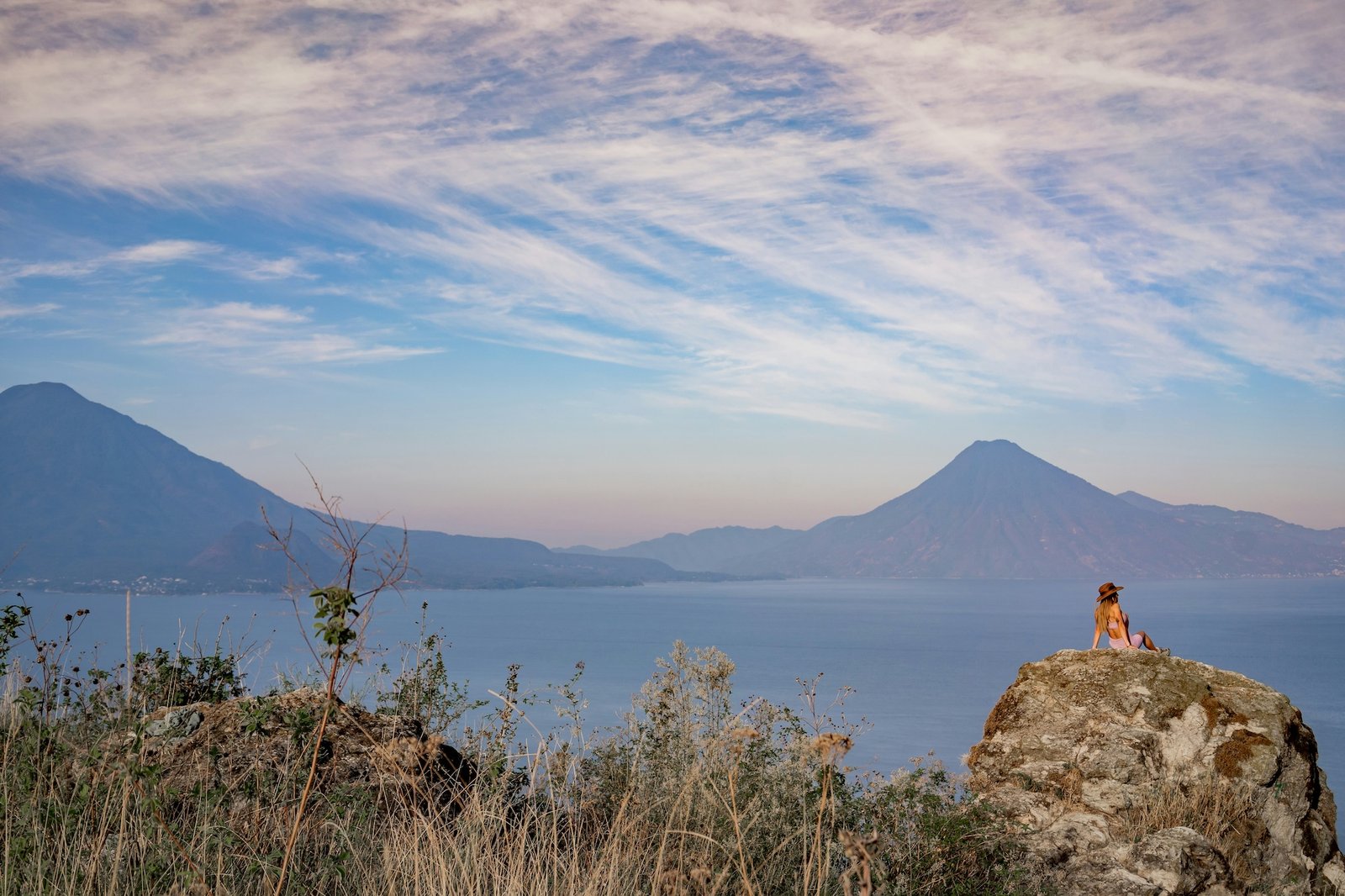
Few archaeological experiences in the Americas feel as remote as El Mirador. Hidden deep within the Petén jungle of northern Guatemala, this vast ancient Maya city remained largely swallowed by rainforest for centuries. Reaching it still requires multiple days of trekking through humid jungle terrain where wildlife, isolation, and dense forest become part of daily life.
Unlike Machu Picchu, El Mirador receives relatively few visitors. The reward is not polished infrastructure but atmosphere — enormous pyramids rising above the jungle canopy and the sensation of entering a lost civilization rather than a developed tourist attraction.
Operators for this trek
Trek 07 · Brazil
CHAPADA DIAMANTINA
Brazil Beyond Beaches and Rio
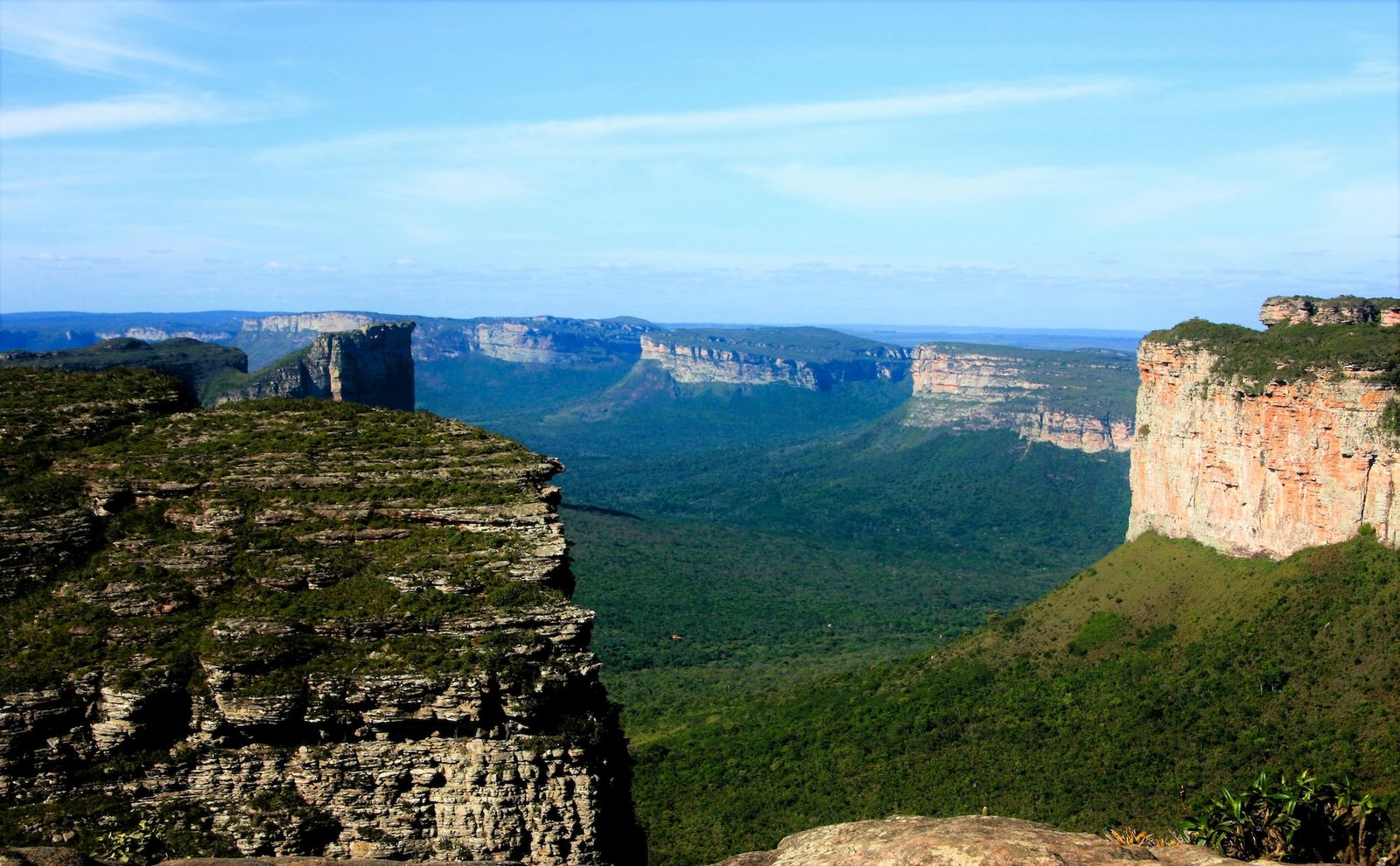
Most international travelers associate Brazil with beaches, rainforests, or Rio de Janeiro. Few realize that northeastern Brazil contains one of the continent’s most underrated trekking regions. Chapada Diamantina National Park combines canyons, caves, waterfalls, table mountains, and remote valleys into a landscape unlike anywhere else in South America.
Trails range from short scenic hikes to demanding multi-day routes with local guides. The atmosphere is relaxed, the scenery dramatic, and tourism infrastructure remains relatively low-key compared to more internationally famous trekking regions.
Operators for this trek
Trek 08 · Guatemala
ACATENANGO VOLCANO
Camping Beside an Erupting Volcano
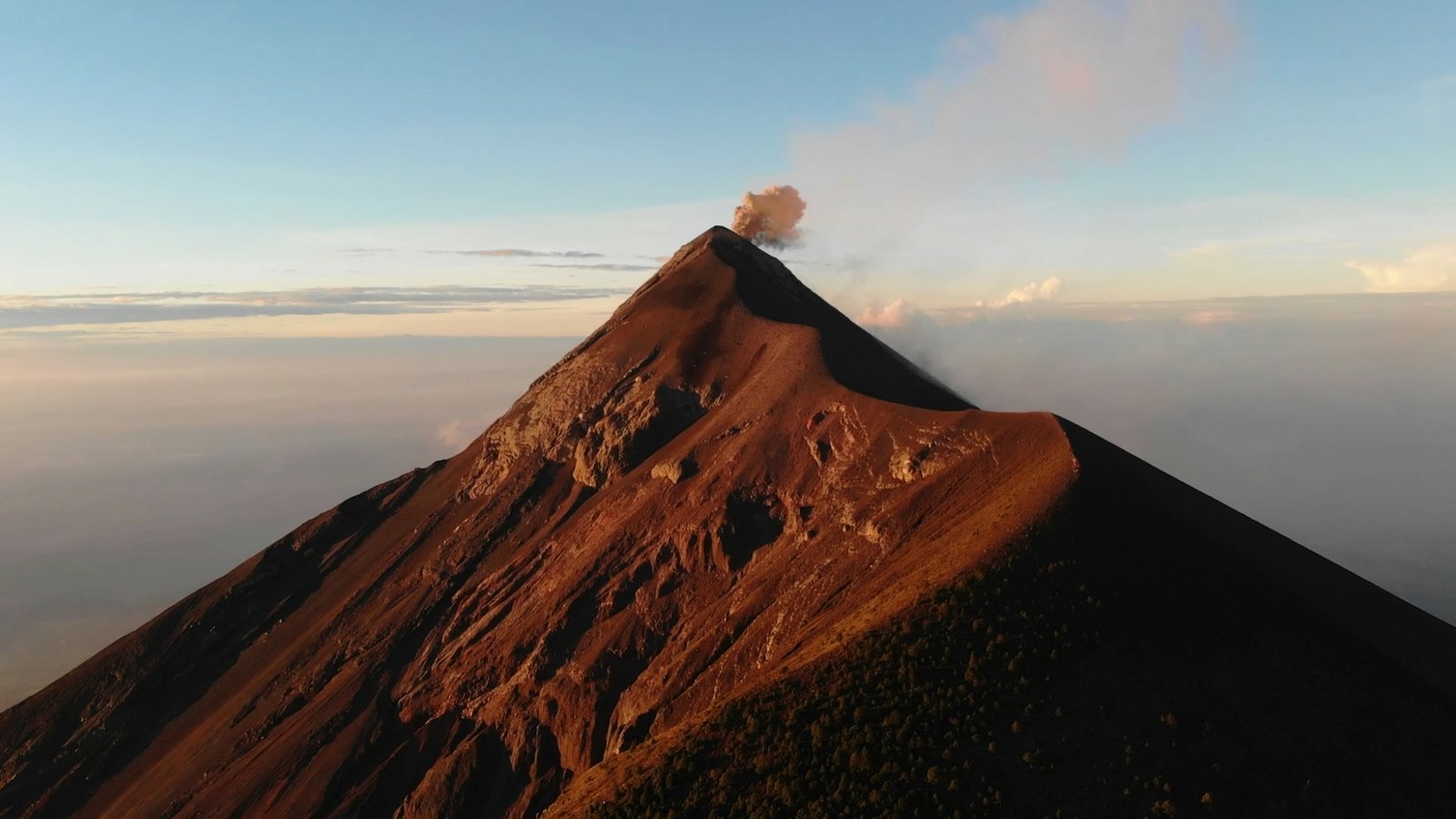
There are few trekking experiences in the world quite like spending a night beside an actively erupting volcano. Acatenango, near Antigua Guatemala, allows hikers to climb above the clouds and camp facing Volcán de Fuego, whose eruptions often send lava and ash bursts into the night sky every few minutes.
The hike itself is steep and physically demanding due to elevation gain, but technically straightforward. The real challenge is altitude and cold temperatures near the summit, which contrasts sharply with the warm lowlands below. The reward — watching an active volcano erupt at eye level in the dark — is unlike anything else in the region.
Operators for this trek
CHOOSING THE RIGHT TREK
The best trek is not the hardest or most famous. It is the one that matches the experience you actually want.
Choose Peru or Chile if you want
- Iconic history and ancient ruins
- Monumental mountain scenery
- Structured trekking with services
- Long summer hiking days
Choose Colombia or Guatemala if you want
- Jungle immersion
- Archaeology and remote atmosphere
- Adventure without crowds
- Volcanic drama
Choose Ecuador or Brazil if you want
- Cultural interaction along the trail
- Flexible and independent travel
- Something less discovered
- Waterfalls and canyon scenery
Final Thought
THE CONTINENT STILL HUMBLES
One of the great rewards of trekking in Latin America is that the landscapes still feel large enough to humble the traveler. Roads disappear. Weather changes. Cell signals vanish. Trails climb above clouds or descend into jungle basins where the outside world suddenly feels very far away.
And increasingly, in a world where so much travel feels packaged and predictable, that sense of genuine discovery has become rare. Latin America still offers it.
Plan Your Trek
READY TO WALK?
Jim and Jane have personally scouted these routes. Tell us which trek interests you and we’ll connect you with the right operators, logistics, and advice.
Ask Jim & Jane