Overview
SOUTH AMERICA'S GREAT REINVENTION
Colombia has emerged as one of South America’s most dynamic and rewarding destinations — a country where colonial history, vibrant cities, lush jungles, and Caribbean beaches all come together.
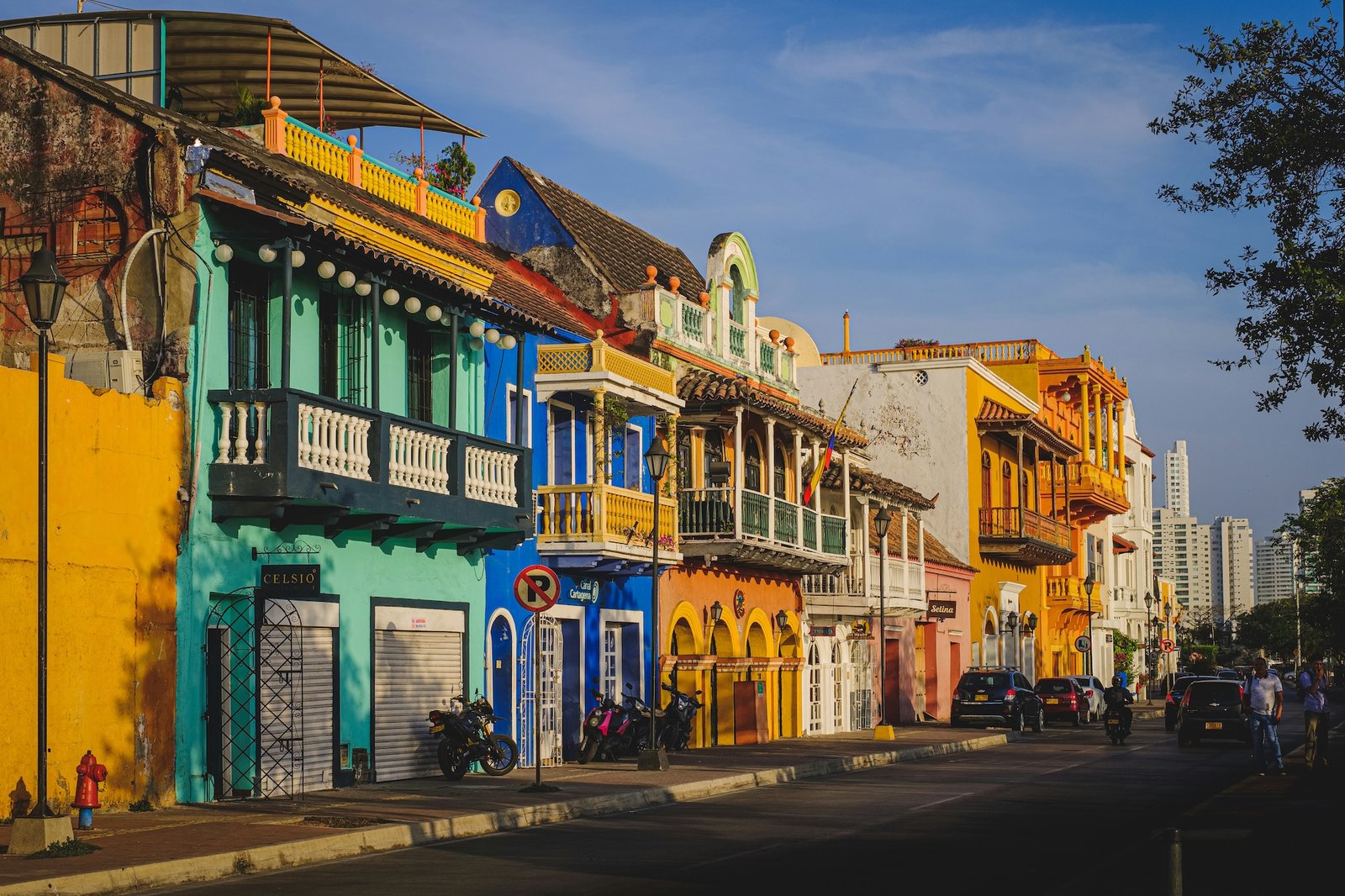
Long associated with the legend of El Dorado, Colombia’s wealth today lies in its cultural diversity, natural beauty, and warm hospitality. Bogotá, set high in the Andes at 8,600 feet, blends colonial La Candelaria with world-class museums, restaurants, and a thriving creative scene. On the Caribbean coast, Cartagena stands out as one of Latin America’s most beautiful colonial cities — a UNESCO World Heritage walled city of color, sea breezes, and extraordinary architecture.
Beyond these anchors, Colombia rewards deeper exploration: the Coffee Region’s lush valleys and working fincas, Medellín’s remarkable urban transformation, the Pacific and Caribbean coastlines, pre-Columbian archaeological sites at San Agustín, and the Amazon gateway at Leticia. Colombia is also the world’s leading source of high-quality emeralds, and reputable jewelers in Bogotá and Cartagena offer an experience unlike anywhere else in the region.
Best for travelers who want an urban-cultural experience combined with Caribbean beaches, coffee-country landscapes, and genuine South American depth — Colombia today is far more accessible, diverse, and rewarding than its reputation of past decades would suggest.
Geography
WHERE EVERYTHING IS
Colombia is the only South American country with both Pacific and Caribbean coastlines. The Andes run north–south through the western interior, dividing into three cordilleras and creating the valleys that host Bogotá, Medellín, Cali, and the Coffee Region. The Caribbean coast stretches east from the Panamá border to Venezuela; the Amazon lowlands fill the southeast; the Pacific coast is largely jungle and some of the most biodiverse terrain on earth. Click any marker for details.
Tap or click markers for details. Pinch / scroll to zoom.
Why Go
WHAT MAKES COLOMBIA STAND APART
Cartagena
One of the finest colonial cities in the Americas — a UNESCO-listed walled city of colorful townhouses, bougainvillea, fortress walls, and Caribbean energy. The old city is compact and walkable; the beaches and islands nearby extend the experience beyond the cobblestones.
Bogotá
A high-altitude capital of genuine sophistication — the Gold Museum alone (one of the world’s great collections of pre-Columbian artifacts) justifies the visit. Add La Candelaria, the Monserrate cable car, a restaurant scene that has become one of Latin America’s most acclaimed, and a city that rewards a few days of serious exploration.
The Coffee Region
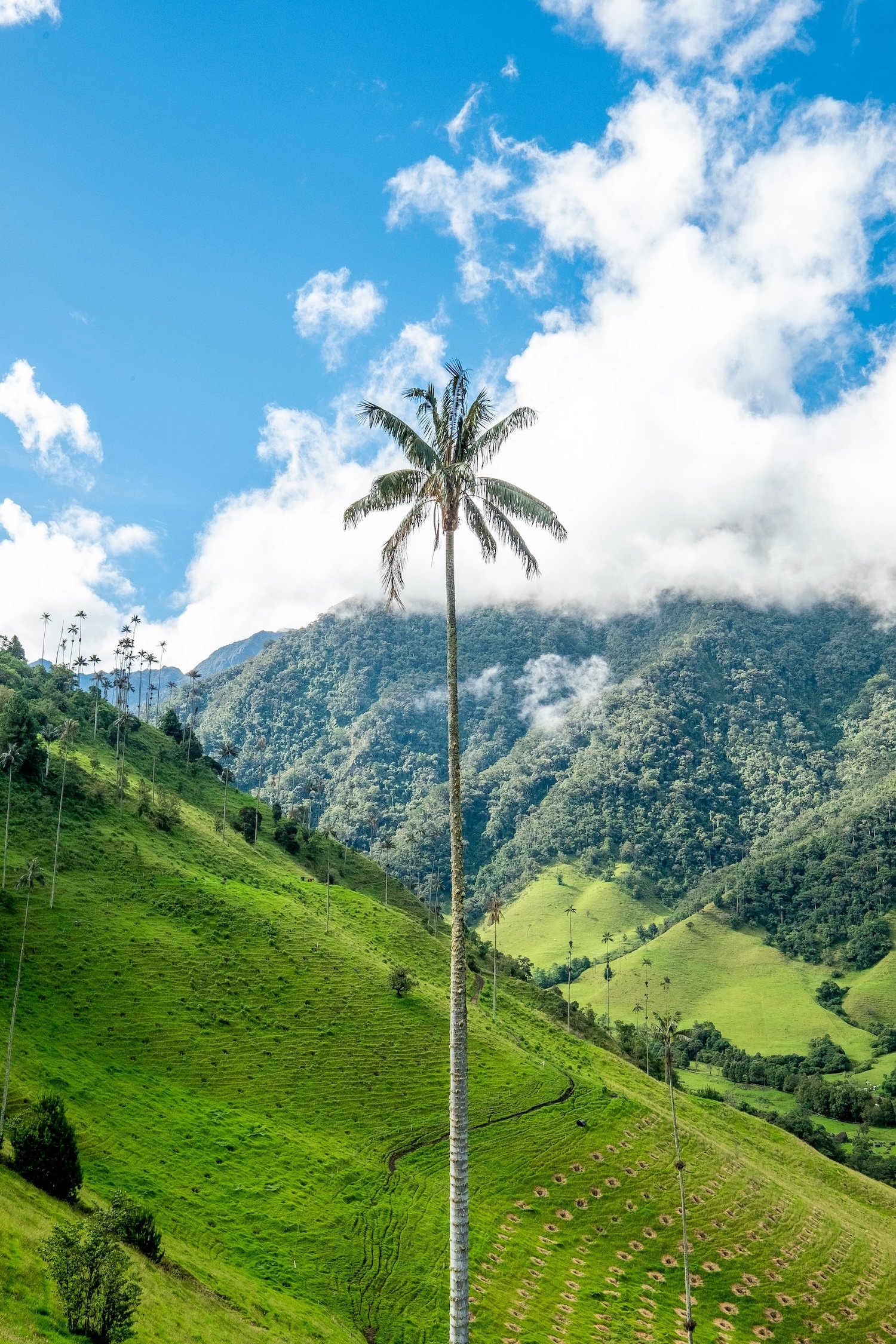
The Eje Cafetero — the coffee axis around Armenia, Pereira, and Manizales — is one of Colombia’s most scenic regions. Working coffee fincas, lush green valleys, the extraordinary wax palms of the Cocora Valley, and charming Andean towns make this a destination in its own right, not merely a side trip.
Medellín
Colombia’s most discussed urban transformation — a city that has reinvented itself through design, education, and public infrastructure. The metro and cable car system, the revitalized Barrio Colombia and El Poblado neighborhoods, the surrounding flower farms, and easy access to coffee country make it a compelling base.
Caribbean Coast
Cartagena, Santa Marta, Tayrona National Park, and the islands of San Andrés and Providencia represent one of Latin America’s finest Caribbean circuits. Tayrona alone — where jungle descends directly to the sea — is among the most beautiful national parks in South America.
Emeralds & Crafts
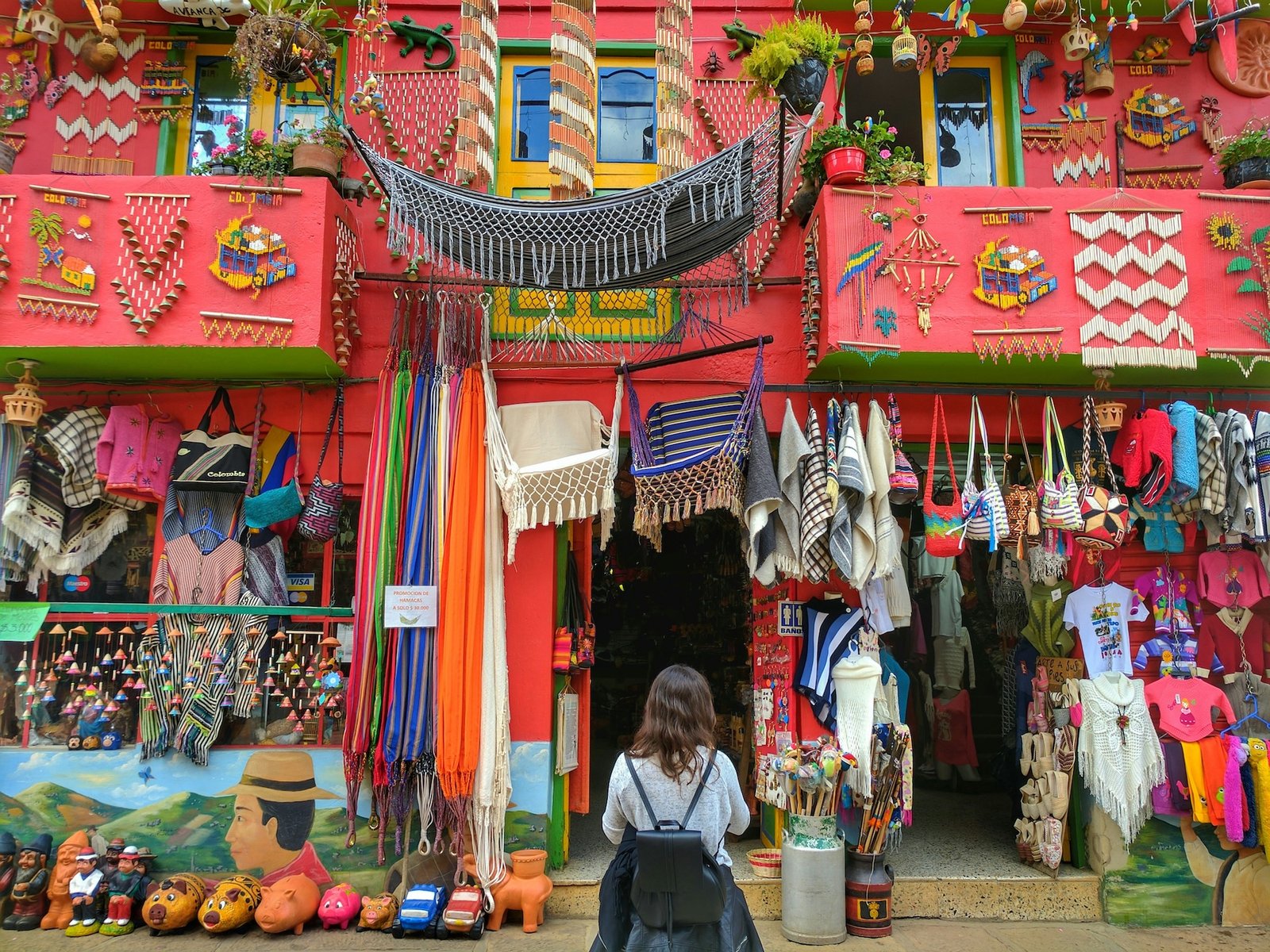
Colombia produces roughly 70–90% of the world’s finest emeralds. Reputable dealers in Bogotá and Cartagena offer certified stones with proper provenance. Beyond emeralds, regional handicrafts — the mochila bags of the Wayuu people from La Guajira, the ñandutí lace, Boyacá textiles — are among the finest in South America.
Top Experiences
PLAN AROUND EXPERIENCES, NOT JUST REGIONS
Cartagena Old City
Walking the walls of the walled city at sunset, exploring the Plaza de Bolívar, visiting the Castillo San Felipe de Barajas fortress, and dining in one of the colonial mansions that have become the city’s finest restaurants. The old city is one of the great urban environments in Latin America — dense with history, color, and atmosphere. Day trips reach the Rosario Islands for snorkeling.
Bogotá’s Gold Museum
The Museo del Oro holds the world’s largest collection of pre-Columbian gold work — over 55,000 pieces representing dozens of indigenous cultures across Colombia. The centrepiece is the Muisca raft, the object at the heart of the El Dorado legend. Combine with the Botero Museum and a walk through La Candelaria for a full cultural day.
Zipaquirá Salt Cathedral
One of Colombia’s most extraordinary sites — an underground cathedral carved entirely within a working salt mine, 200 meters below ground. The scale, the light, and the ingenuity of the construction make it genuinely impressive. Located about 50 kilometers north of Bogotá; easily done as a half-day excursion.
Cocora Valley
In the heart of the Coffee Region near Salento, the Cocora Valley is home to Colombia’s national tree — the wax palm, which grows to over 60 meters and covers the hillsides in a landscape unlike anywhere else in the country. The hike through the valley and the surrounding cloud forest is one of Colombia’s most rewarding day walks.
Tayrona National Park
Where the Sierra Nevada mountains meet the Caribbean — Tayrona protects a coastline of jungle-backed beaches, coral reefs, and pre-Columbian Tairona archaeological sites. Access is by foot or horseback from park entrances near Santa Marta. The combination of jungle hiking and Caribbean swimming makes this one of the finest national park experiences in South America.
Coffee Finca Tour
The Coffee Region around Salento, Armenia, and Pereira is best experienced through a working coffee farm visit — walking the plantation, learning the full production process from cherry to cup, and tasting freshly roasted Colombian coffee at source. Combine with the Cocora Valley hike for a full day in one of Colombia’s most beautiful regions.
Medellín & the Cable Cars
Medellín’s metro cable car system connects the city center to hillside neighborhoods that were previously isolated — a remarkable piece of social infrastructure that has become a tourist attraction in its own right. El Poblado is the traveler-friendly neighborhood with the best hotels and restaurants; the Botanical Garden, Parque de los Pies Descalzos, and the Pueblito Paisa viewpoint round out the city experience.
Amazon at Leticia
Remote Leticia sits at the point where Colombia, Peru, and Brazil meet on the Amazon River — accessible only by air from Bogotá. Jungle lodges, guided wildlife excursions, river travel, pink river dolphin encounters, and visits to indigenous communities offer a genuine Amazon experience on the Colombian side. The Amacayacu National Park, accessible by river, protects one of Colombia’s most biodiverse stretches of rainforest.
Timing
WHEN TO VISIT COLOMBIA
Dry Season (Best Overall)
Colombia has two dry seasons: December through March and July through August. Both are good windows for most destinations. December–January is peak season for Cartagena and the Caribbean coast — book accommodation well ahead.
Caribbean Coast
The coast around Cartagena, Santa Marta, and Tayrona is best from December through April — dry, sunny, and reliably calm. The shoulder months of July–August are also good. The wet season (May–November) brings humidity and occasional heavy rain, though Cartagena is manageable year-round.
Bogotá & the Andes
The highlands are cooler year-round (expect temperatures of 7–19°C / 45–66°F in Bogotá). The driest months (December–March and July–August) offer the clearest skies and best conditions for day trips to Zipaquirá and Villa de Leyva.
Coffee Region
The Coffee Region receives rain year-round — it is, after all, why the coffee grows so well. The relative dry seasons align with the national pattern. December–February and June–September tend to be the best windows, but the landscape is green and beautiful even in the wet season.
Medellín & Cali
Medellín earns its “City of Eternal Spring” nickname — temperatures hover around 22–28°C (72–82°F) year-round with moderate rainfall. The Feria de las Flores (Flower Festival) in August is a major cultural event. Cali’s Feria de Cali in late December is the best time to experience the city’s salsa culture.
Amazon
Leticia and the Amazon are accessible year-round. June through November (lower water season) tends to be better for wildlife viewing on riverbanks. The high-water season brings flooded forest and different wildlife opportunities. Humidity and heat are constant regardless of season.
Travel Essentials
FACTS & PRACTICAL DETAILS
SAFETY ADVISORY
Colombia has improved dramatically in safety over the past two decades, and the major tourist destinations — Cartagena, Bogotá, Medellín, the Coffee Region, and the Caribbean coast — are regularly and comfortably visited by international travelers. Standard urban precautions apply: use ride apps rather than hailing street taxis, keep valuables out of sight, and avoid displaying expensive jewelry or electronics in busy areas.
Some border regions and remote areas carry higher risk — check current U.S. Department of State advisories before travel, particularly for areas near the Venezuelan and Ecuadorian borders and certain Pacific coast regions. Leticia and the Amazon area are generally safe with organized tours and reputable operators. Colombia rewards well-prepared travelers who engage thoughtfully with the country’s remarkable transformation.
Key Areas
A SIMPLE GEOGRAPHY OF COLOMBIA
Bogotá
Colombia’s capital sits at 8,600 feet in the Eastern Andes — bring layers, as temperatures are cool year-round. La Candelaria (the colonial center) holds the Gold Museum, Botero Museum, Plaza Bolívar, and the National Capitol. The Monserrate cable car rises above the city for panoramic views over the sprawling capital. Day trips reach the Zipaquirá Salt Cathedral (50km north), Villa de Leyva (a beautifully preserved colonial town), and Guatavíta — the lake at the heart of the El Dorado legend.
Medellín & the Antioquia Region
Medellín — the “City of Eternal Spring” — sits in a valley of the western Andes at a comfortable altitude of 5,000 feet. The city’s remarkable urban transformation is visible in its metro system, cable cars connecting hillside communities to the city center, public libraries in former conflict zones, and a thriving design and arts scene. El Poblado is the main traveler neighborhood. The surrounding Antioquia region is coffee country, with easy access to working fincas and Andean villages.
Cali & the Pacific
Cali is Colombia’s salsa capital — music, dance, and nightlife are central to the city’s identity in a way that makes it genuinely distinct from Bogotá or Medellín. The Feria de Cali in late December is one of the great urban festivals in South America. Cali also serves as a gateway to the Pacific coast — one of the wettest and most biodiverse regions on earth, with humpback whale watching (July–October) and some of Colombia’s most pristine natural environments.
The Coffee Region (Eje Cafetero)
The Café triangle of Armenia, Pereira, and Manizales is one of Colombia’s most rewarding travel regions — a UNESCO Cultural Landscape of working coffee farms, bamboo forests, and Andean towns built during the coffee boom. Salento is the most visited town and the base for the Cocora Valley hike through towering wax palms. Coffee finca tours, jeep rides into the hills, and a relaxed pace make this a counterpoint to the energy of the big cities.
Caribbean Coast
Cartagena — the crown jewel — is a UNESCO-listed walled colonial city of extraordinary beauty and atmosphere. Santa Marta, 200km to the east, is one of South America’s oldest cities and the base for Tayrona National Park (where cloud forest meets Caribbean beach) and the Lost City trek (Ciudad Perdida — a multi-day jungle hike to a pre-Columbian city older than Machu Picchu). San Andrés and Providencia islands, far offshore, offer English-speaking Caribbean culture and some of Colombia’s best diving.
The Amazon & Pre-Columbian South
Leticia, accessible only by air from Bogotá, sits at the tri-border point of Colombia, Peru, and Brazil and is Colombia’s gateway to the Amazon. Jungle lodges, pink river dolphin encounters, indigenous community visits, and Amacayacu National Park offer a genuine Amazon experience. Further north, San Agustín Archaeological Park — a UNESCO World Heritage Site — features hundreds of mysterious pre-Columbian stone statues and burial mounds in a landscape of Andean rivers and cloud forest. Nearby Tierradentro adds underground painted tombs to the pre-Columbian circuit.
Parks & Wildlife
PROTECTED LANDS & NATURAL WONDERS
Colombia is one of the world’s most biodiverse countries — ranking first globally in bird species and orchid species, and second in plant species. Its national park system protects landscapes ranging from Caribbean coral reefs to Andean páramo to Amazon rainforest.
Tayrona National Natural Park
Where the Sierra Nevada de Santa Marta — the world’s highest coastal mountain range — descends directly to the Caribbean. Protected beaches, jungle trails, coral reefs, and Tairona archaeological sites all within the park boundary. One of the finest national park experiences in South America — access by foot or horseback from park entrances near Santa Marta.
Cocora Valley & Los Nevados
The Cocora Valley near Salento protects Colombia’s national tree — the wax palm, the tallest palm in the world. The valley sits within the Serranía de los Paraguas cloud forest, adjacent to Los Nevados National Park — a chain of snow-capped Andean volcanoes accessible from Manizales. Excellent birding throughout the cloud forest zone.
Amacayacu National Park
Colombia’s main Amazon protected area, accessible by river from Leticia. Dense varzea (flooded) and terra firme forest protecting pink river dolphins, giant otters, tapirs, black caimans, and an extraordinary range of Amazonian bird species. Best visited with a reputable operator from Leticia, which coordinates access and indigenous community guides.
Chingaza National Park
The high-altitude páramo ecosystem that supplies Bogotá’s water — a misty landscape of frailejones (giant rosette plants unique to Andean páramo), lakes, and cloud forest. Spectacled bears, tapirs, and mountain paca inhabit the park. Located just east of Bogotá; a striking counterpart to the urban capital below.
San Andrés & Providencia Biosphere Reserve
The Seaflower Biosphere Reserve, designated by UNESCO, encompasses the islands of San Andrés, Providencia, and Santa Catalina and the surrounding Caribbean sea. The coral reef system here is one of the largest in the Western Hemisphere, protecting outstanding marine biodiversity — and making these islands some of Colombia’s finest dive destinations.
Sierra Nevada de Santa Marta
The world’s highest coastal mountain range — rising from sea level to 5,775 meters within just 42 kilometers of the Caribbean. An isolated mountain massif protecting an extraordinary range of ecosystems from dry forest to permanent snow, with extremely high levels of endemic species. Home to the Kogi, Arhuaco, and other indigenous peoples who have continuously inhabited the sierra for over 2,000 years.
Traveler Questions
COLOMBIA TRAVEL FAQ
Is Colombia safe to visit now?
Colombia has been one of the most dramatic transformation stories in Latin American travel over the past two decades. Cities like Medellín, Bogotá, and Cartagena are now genuinely excellent travel destinations with robust tourism infrastructure. Violent crime in urban tourist areas has fallen substantially. That said, Colombia retains areas of genuine risk — remote rural zones, certain departments near borders, and specific urban neighborhoods — and travelers should research current conditions for any specific destination outside the main cities. The Colombia of today is a world away from its 1990s reputation.
What is Colombia’s coffee region and is it worth visiting?
The Eje Cafetero (Coffee Axis) — centered on cities like Pereira, Manizales, and Salento — is one of the most rewarding regions in Colombia for travelers. The landscape of steep green hillsides, traditional haciendas, wax palms in the Valle de Cocora, and small colonial towns is extraordinary. A UNESCO Cultural Landscape designation recognizes its global significance. Salento is the most-visited village and the base for most travelers. Plan two to three days minimum; the region combines well with Medellín.
Do U.S. citizens need a visa for Colombia?
No. U.S. citizens can enter Colombia visa-free for tourist stays of up to 90 days, extendable for an additional 90 days in-country. A valid passport is required. Colombia is one of the most straightforward South American entries for U.S. travelers. Note that entry can be denied to travelers with certain drug-related offenses — Colombia’s authorities have become more rigorous about this in recent years.
What is the best time to visit Colombia?
Colombia straddles the equator and has no traditional seasons, but regional rainfall patterns define the best travel windows. Cartagena and the Caribbean coast are generally driest from December through April. Bogotá and the highlands have two dry seasons: December–March and July–August. The coffee region, Medellín, and the Andes vary but are generally pleasant year-round with light rain. The Amazon region has its own pattern with higher water levels creating better wildlife viewing in the wet season.
LOCAL SPECIALISTS WE TRUST
Colombia’s rise as a travel destination has built a strong local operator community. These specialists cover the Coffee Region, Cartagena, Medellín, the Lost City, and beyond — with the local knowledge that makes the difference.
Custom & Nationwide
Transfers & Tours Colombia
Since 2010 Transfers has established itself as a leader in creating bespoke travel experiences. Driven by an unwavering passion for showcasing the essence of Colombia, they provide comprehensive, personalized solutions for adventurous travelers.
Best for: Those looking for a wide variety of experiences, ranging from ecotourism and historic cities to adventure, sun-and-beach, health and wellness, rural, and more.
Terra Colombia
A Medellín-based boutique agency specializing in fully customized Colombia itineraries, from Caribbean coastlines and coffee region haciendas to off-the-beaten-path destinations like Caño Cristales and the Llanos.
Best for: Independent travelers and families who want a deeply personalized, locally guided experience with a strong commitment to responsible tourism.
Expotur
One of Colombia’s most established eco-tourism and adventure operators. Covers birding, jungle, and wildlife travel across some of the country’s most biodiverse regions.
Best for: Nature and birding travelers — Colombia ranks among the world’s top birding destinations.
Impulse Travel
Colombia-based travel specialist connecting visitors with the people and projects shaping the country's modern renaissance. Experiences range from Cartagena's restored historic districts and Medellín's social transformation initiatives to coffee regions, eco-lodges, and meaningful cultural encounters throughout Colombia.
Best for: Travelers seeking authentic local connections, sustainable tourism experiences, and a deeper understanding of contemporary Colombia beyond traditional sightseeing.
Lost City & Indigenous Treks
Wiwa Tours
Indigenous-led tours to the Lost City (Ciudad Perdida) run in partnership with the Wiwa community of the Sierra Nevada de Santa Marta. The most culturally authentic way to make the trek.
Best for: The Lost City trek with genuine community benefit and indigenous guide knowledge.
Magic Tour Colombia
Santa Marta–based specialist for the Lost City (Ciudad Perdida) trek — well-run, experienced guides, and a strong safety record on the Sierra Nevada circuit. One of the most consistently recommended operators for this route.
Best for: The Lost City trek with reliable logistics, good camps, and experienced local guides.
Latin Travel does not book tours directly. These are editorial selections. Please mention Latin Travel when you contact them — it helps us keep this guide current.