Overview
SPECTACULAR LANDSCAPES, COMPLEX REALITIES
Venezuela is one of South America’s most naturally spectacular countries — home to Caribbean islands, Andean mountains, vast savannas, tepui table mountains, and the world’s highest waterfall.
Angel Falls plunges more than 3,200 feet from the flat summit of Auyán-Tepui into the jungle of Canaima National Park. Los Roques, a coral archipelago off the Caribbean coast, is among the most pristine marine environments in the Western Hemisphere. The Gran Sabana — a vast highland plateau of ancient flat-topped mountains — is a landscape unlike anything else on the continent.
However, ongoing political instability, an economic crisis, and strained international relations have fundamentally changed travel in Venezuela. Tourism infrastructure that once supported international visitors is now limited and inconsistent. Most governments, including the United States, currently advise against travel.
This page is included for reference and completeness. Travelers should read the advisory section carefully and verify all current conditions before making any plans.
Important
CURRENT TRAVEL ADVISORY
The U.S. State Department currently lists Venezuela as Level 4: Do Not Travel — its highest advisory level — due to crime, civil unrest, kidnapping, arbitrary detention, and shortages of basic supplies including food, water, medicine, and electricity.
U.S. Embassy operations in Caracas are suspended. Emergency consular assistance for U.S. citizens is extremely limited. Entry requirements, visa procedures, and local conditions can change without notice.
Travel to Venezuela today should only be considered by experienced, well-prepared travelers with strong local connections, professional support on the ground, and a clear understanding of current risks. For most travelers, nearby countries — Colombia, Brazil, or the Caribbean islands — offer safer and more accessible alternatives.
Always verify current conditions through official government sources before making any travel decisions.
Geography
WHERE EVERYTHING IS
Venezuela spans from Caribbean coast and islands in the north to Andean mountains in the west, the vast Orinoco plains in the center, and the ancient tepui highlands of the Gran Sabana in the southeast. Angel Falls and Canaima National Park are accessed by small aircraft from Ciudad Bolívar. Los Roques sits roughly 165 kilometers north of Caracas in the Caribbean. Click any marker to see what’s there.
Tap or click markers for details. Pinch / scroll to zoom.
Key Experiences
WHAT VENEZUELA IS KNOWN FOR
Angel Falls
Salto Ángel is the world’s highest uninterrupted waterfall, plunging 979 meters (3,212 feet) from the summit of Auyán-Tepui. Access is via Canaima National Park — typically by small aircraft and river excursion. The falls are most dramatic during the rainy season (June–October) when water volume peaks. One of South America’s great natural spectacles.
Gran Sabana & Tepuis
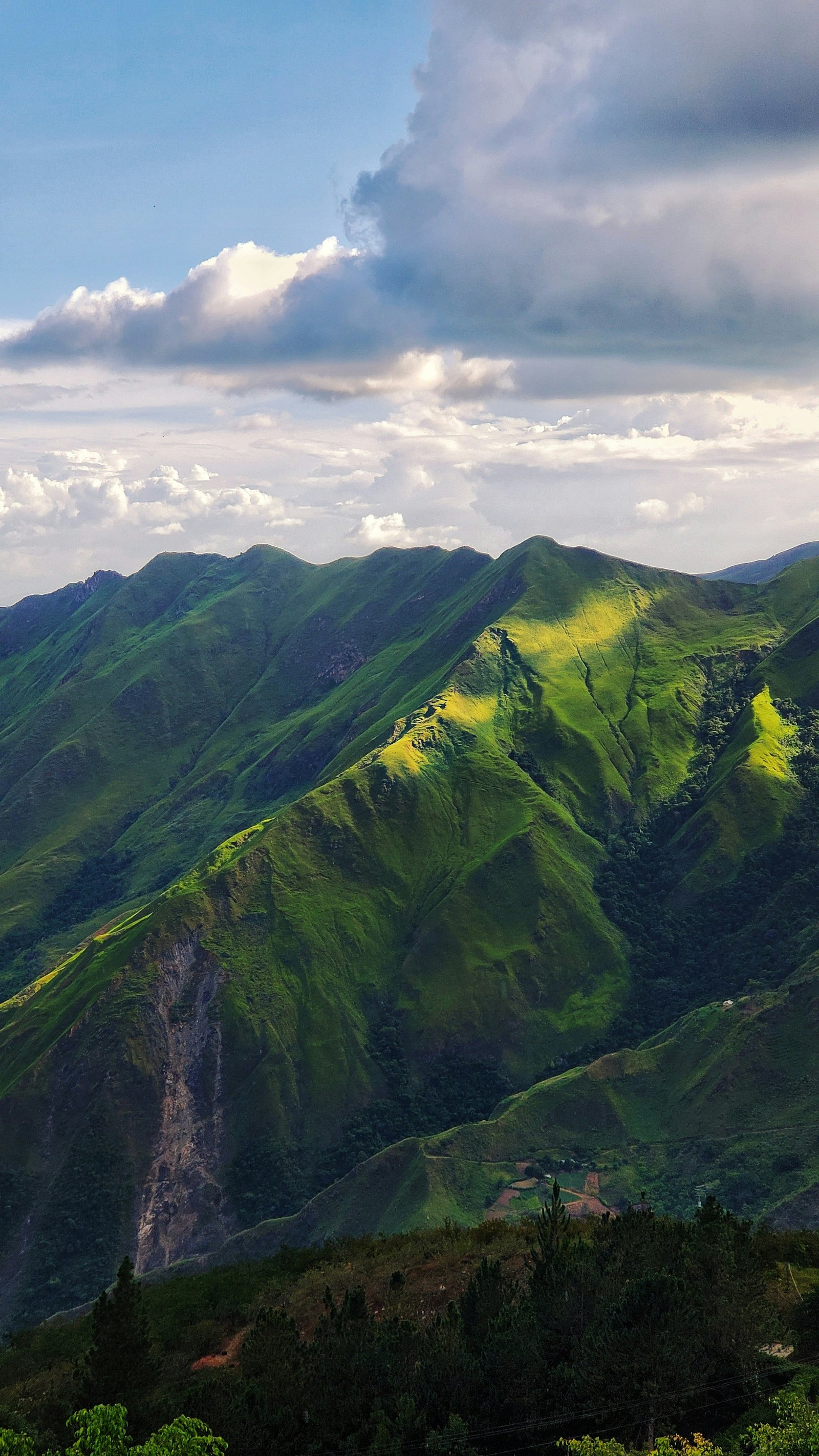
The Gran Sabana is an ancient highland plateau studded with flat-topped tepui mountains — among the oldest geological formations on earth. The landscape is surreal, the biodiversity extraordinary, and the rivers and waterfalls that cascade off the tepui edges are spectacular. Canaima is the base for exploring this region.
Los Roques Archipelago
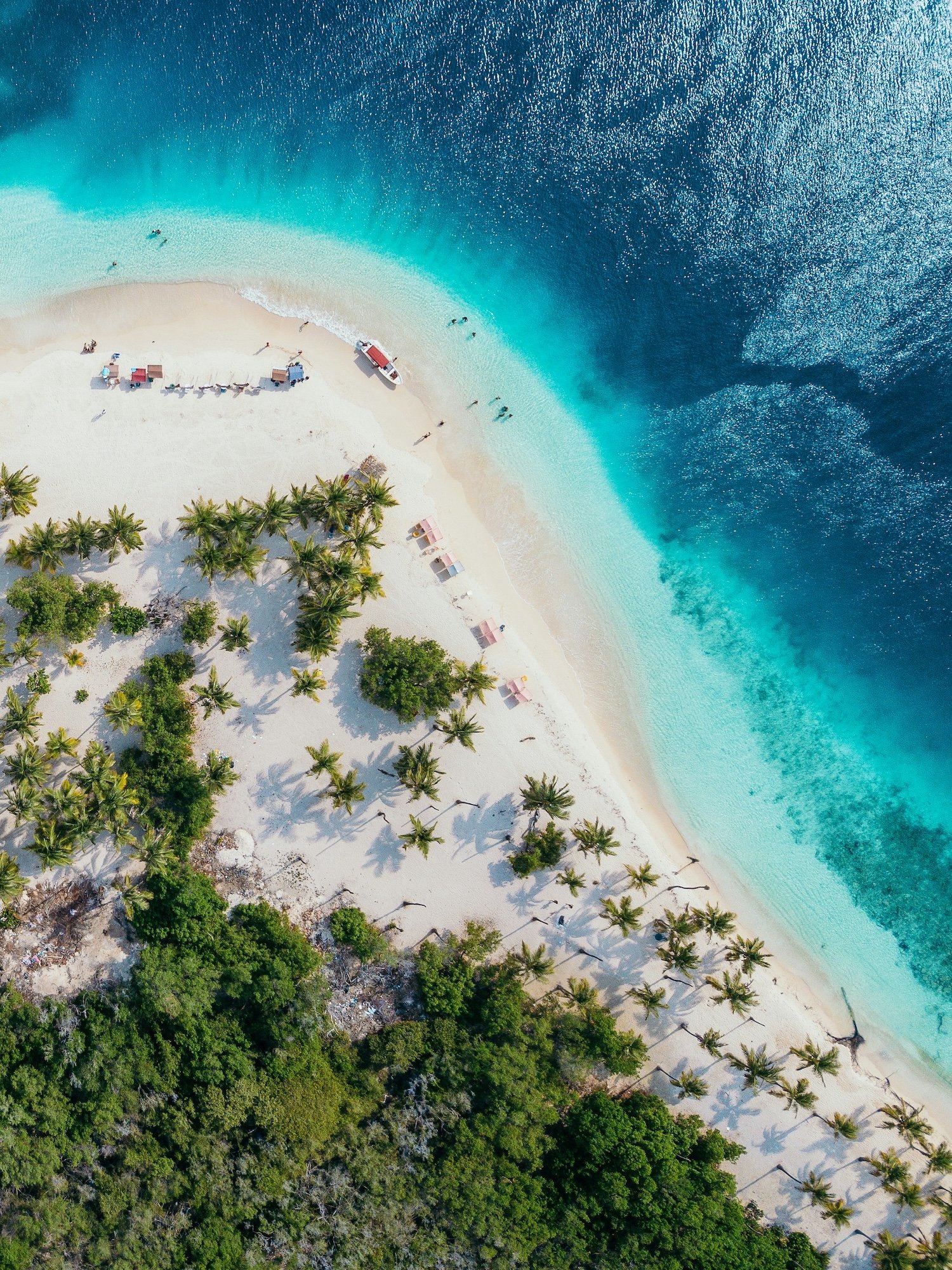
A national park of pristine coral atolls, turquoise lagoons, and white sand beaches roughly 165 km north of Caracas. One of Venezuela’s most consistently praised destinations — exceptional kiteboarding, bonefishing, diving, and snorkeling. Accessed by charter or small aircraft; limited but high-quality posada-style lodging on Gran Roque island.
Mérida & the Andes
The mountain city of Mérida sits in the Venezuelan Andes at around 1,600 meters elevation. Cooler climate, mountain scenery, trekking, climbing, and cycling. The Mérida cable car — one of the world’s highest and longest — is a landmark, though operations have been intermittent and should be confirmed locally before visiting.
Margarita Island
Once a major Caribbean resort destination known for beaches and duty-free shopping. Tourism has declined significantly. Some regional visitors still travel here for beaches, seafood, and island atmosphere, but the destination operates well below its former standard.
Venezuelan Culture & Cuisine
Traditional Venezuelan cuisine remains a genuine highlight anywhere it is encountered: arepas (grilled or baked corn cakes with fillings), pabellón criollo (shredded beef, rice, black beans, sweet plantains), hallacas (holiday corn dough dish similar to tamales), fresh tropical juices, and high-quality rum. Venezuelan cultural depth — music, art, literature — is real and rich.
Travel Essentials
FACTS & PRACTICAL DETAILS
TRAVEL ADVISORY SUMMARY
Level 4: Do Not Travel — U.S. State Department. Risks include violent crime, kidnapping, arbitrary detention of U.S. citizens, civil unrest, and severe shortages of food, medicine, and basic infrastructure. U.S. Embassy operations in Caracas are suspended with no consular services available.
For most travelers, Venezuela is not currently a viable destination. Those with compelling specific reasons to travel should engage professional security guidance, maintain strong local support, and monitor conditions continuously before and during any trip.
Key Areas
A SIMPLE GEOGRAPHY OF VENEZUELA
Caracas & Central Highlands
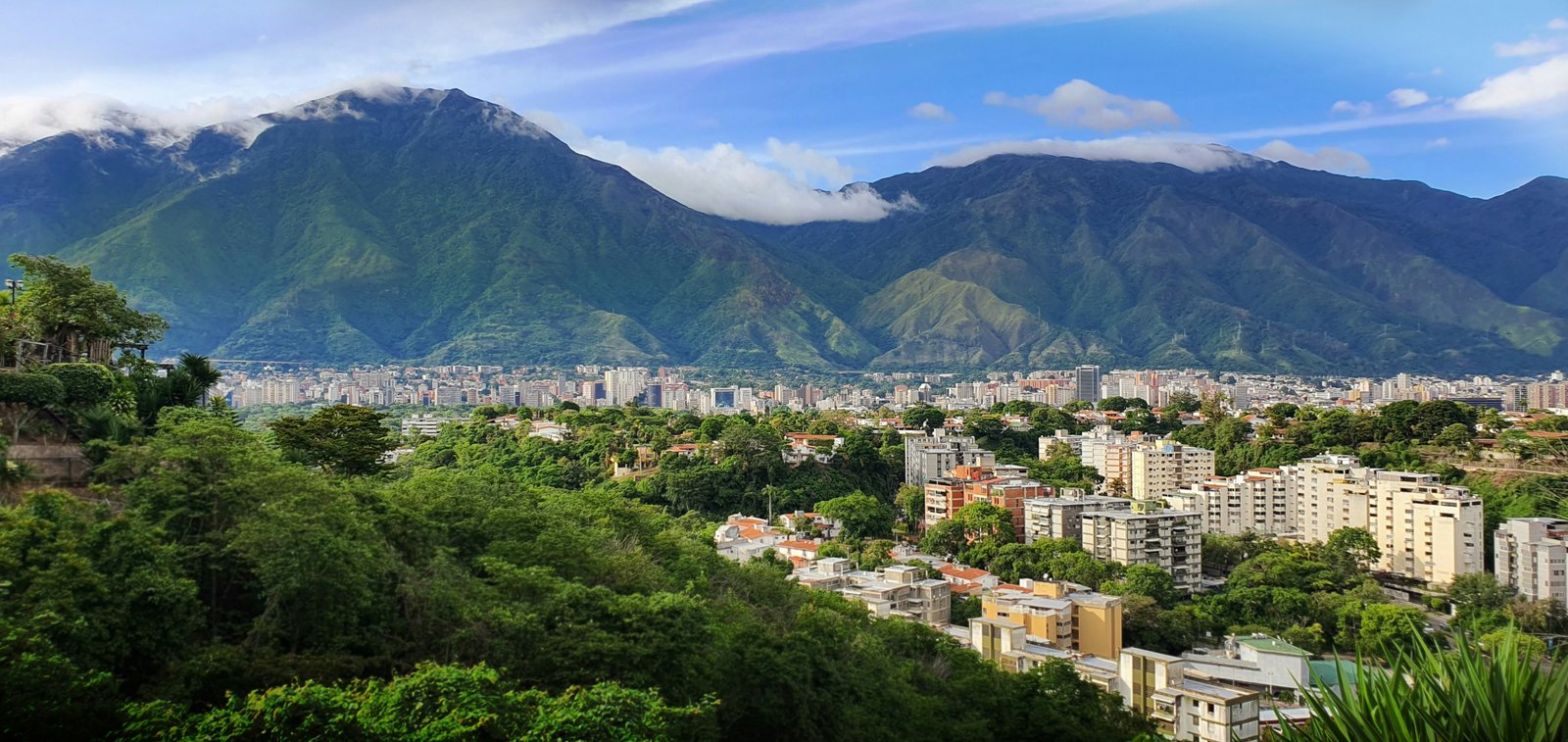
Caracas sits in a dramatic mountain valley near the Caribbean coast. Once a major cosmopolitan hub, it retains cultural landmarks including Plaza Bolívar, the historic city center, the birthplace of Simón Bolívar, and the National Pantheon. The nearby Waraira Repano National Park (El Ávila) provides dramatic views over the city and coastline. Independent travel in Caracas today is not recommended due to serious security concerns.
Caribbean Coast & Islands
Margarita Island was once a major resort destination known for beaches and duty-free shopping; tourism has declined but some regional visitors still travel here. Los Roques Archipelago National Park, by contrast, remains one of Venezuela’s most compelling destinations — pristine coral atolls, exceptional marine life, kiteboarding, bonefishing, and limited high-quality posada lodging on Gran Roque, typically accessed by light aircraft.
Gran Sabana & Angel Falls
The Gran Sabana is one of South America’s most unique and ancient landscapes — a vast highland plateau of tepui table mountains rising abruptly from savanna. Angel Falls (Salto Ángel) plunges 979 meters from Auyán-Tepui and is best experienced by river excursion from Canaima village, accessed by small aircraft from Ciudad Bolívar. This remains one of the most compelling reasons any traveler would consider Venezuela. Logistics are complex and must be arranged with experienced local operators.
Mérida & the Andes
Mérida lies in the Venezuelan Andes at around 1,600 meters and is known for mountain scenery, cooler climate, and outdoor activities including trekking, climbing, and cycling. The Mérida cable car system — one of the world’s highest and longest — is a landmark, though operations are intermittent and should be confirmed before any plans are made. The city has a university character and was historically one of Venezuela’s most welcoming cities for independent travelers.
Maracaibo & Lake Region
Maracaibo is Venezuela’s second-largest city, sitting on oil-rich Lake Maracaibo in the extreme northwest. It is primarily an industrial and energy hub, with an extremely hot and humid climate. Lake Maracaibo is famous for Cátatumbo lightning — an almost continuous electrical storm that occurs over the lake for more than 150 nights a year, one of the most extraordinary natural phenomena in South America. Tourism infrastructure here is minimal.
The Llanos
The vast Orinoco plains (Llanos) in central Venezuela are one of South America’s great wildlife habitats — home to capybaras, caimans, anacondas, giant anteaters, river dolphins, and extraordinary birdlife. In better times, the Llanos were a premier wildlife-watching destination. Current access and safety conditions limit independent travel here; any visit requires current local guidance and professional logistics.
Parks & Wildlife
NATURAL WONDERS & PROTECTED AREAS
Venezuela has some of the most extraordinary protected natural areas in South America. Current conditions limit access to many of them, but they remain among the most remarkable landscapes on the continent.
Canaima National Park
A UNESCO World Heritage Site and one of the largest national parks in the world. The park covers 30,000 square kilometers of tepui highlands, savanna, jungle, rivers, and waterfalls — including Angel Falls. Canaima village is the main base, accessed by small aircraft from Ciudad Bolívar. River excursions to the falls take 1–3 days depending on route.
Los Roques Archipelago National Park
A coral atoll system of extraordinary clarity and biodiversity — coral reefs, seagrass beds, nesting sea turtles, reef fish, and exceptional bonefishing lagoons. One of the Caribbean’s most pristine marine environments. Accessed by charter or scheduled small aircraft from Caracas. Gran Roque is the only inhabited island, with small posada-style lodges.
Morrocoy National Park
A coastal park of small islands, coral reefs, mangroves, and clear water on the central Caribbean coast. Once a popular weekend destination for Venezuelans and regional visitors. Flamingos nest in the mangrove areas seasonally. Current access and facilities should be confirmed locally.
Sierra Nevada National Park
The Andean heart of Mérida state, home to Venezuela’s highest peaks including Pico Bolívar at 4,978 meters. Glacier remnants, high-altitude páramo ecosystems, spectacled bears, and pumas. Serious mountain country requiring proper preparation, acclimatization, and local guidance.
The Llanos Ecoregion
The Orinoco plains form one of South America’s great wildlife concentrations — capybaras (world’s largest rodent), spectacled caimans, giant river otters, giant anteaters, Orinoco crocodiles, river dolphins, anacondas, and hundreds of bird species. Wildlife viewing in the Llanos, when accessible, rivals the Pantanal and the Galapagos for sheer density and diversity.
Cátatumbo Lightning
Lake Maracaibo in northwestern Venezuela is the site of Cátatumbo lightning — a near-permanent electrical storm occurring on average 260 nights a year over the lake, producing up to 40,000 lightning strikes per night. It is a natural wonder unlike anything else on earth and historically one of Venezuela’s most extraordinary natural attractions.
Traveler Questions
VENEZUELA TRAVEL FAQ
Is it safe to travel to Venezuela?
Venezuela presents serious and well-documented safety risks. The U.S. State Department maintains a “Do Not Travel” (Level 4) advisory for Venezuela, citing crime, civil unrest, arbitrary detention, and limited U.S. consular access (the U.S. Embassy suspended operations in 2019). Violent crime, kidnapping, and infrastructure failures are genuine concerns. We document Venezuela’s extraordinary natural wonders for travelers with expert local operators who navigate these conditions safely — but this is emphatically not a solo backpacker destination and requires thorough pre-trip research and professional support.
What makes Venezuela worth considering despite the risks?
Venezuela has arguably the most extraordinary natural geography in South America. Angel Falls — the world’s highest uninterrupted waterfall, dropping 979 meters — is located here, accessible via Canaima National Park. The tepuis (ancient tabletop mountains) of the Gran Sabana inspired Arthur Conan Doyle’s The Lost World. The Los Llanos wetlands offer wildlife viewing comparable to the Pantanal. The Caribbean coast and Los Roques archipelago are among the most beautiful in the hemisphere. For those who can travel safely, the reward is seeing places that virtually no outsiders visit.
What currency situation should I expect in Venezuela?
Venezuela’s currency situation has been in flux for years, with severe hyperinflation and multiple currency reforms. The Venezuelan bolívar has been redenominated several times. In practice, the U.S. dollar has become the de facto working currency for most tourist and business transactions, particularly in major cities. Bring U.S. dollars in good condition; digital payments are inconsistent. Currency norms can shift dramatically — travelers should seek very recent on-the-ground information before visiting.
How do I travel to Angel Falls?
Angel Falls is not accessible independently by road. The standard route is to fly from Caracas or Puerto Ordaz to Canaima, then take a motorized dugout (curiara) upstream to the falls — a journey of several hours through jungle river scenery that is itself extraordinary. Most visitors take 3-day tours from Canaima that include a river journey to the base of the falls and a camp overnight at Isla Ratón. The falls are most dramatic during the rainy season (June–November) when full water volume is visible, though clouds can obscure the summit. In the dry season the falls can reduce to a trickle.