Overview
SOUTH AMERICA'S HIDDEN HEARTLAND
Located in the heart of South America, Paraguay is a landlocked country of two very different worlds — and one of the continent’s most genuinely overlooked destinations.
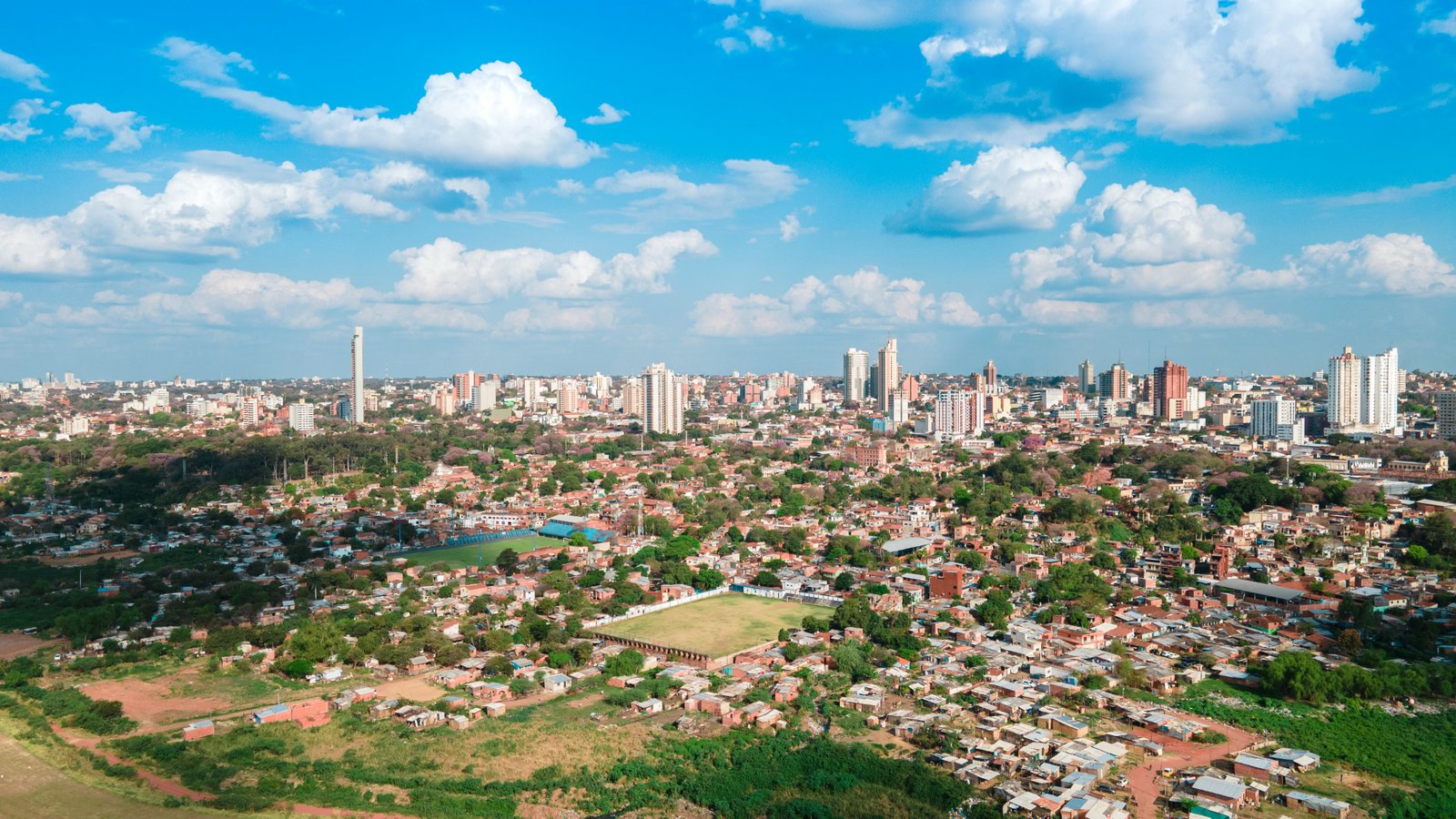
The Paraguay River divides the country into distinct halves: the fertile, populated eastern region — home to Asunción, the Jesuit missions, and the majority of the population — and the vast, sparsely inhabited Gran Chaco to the west, a wilderness of dry forest and wetlands that stretches into Bolivia and Argentina. Asunción, one of South America’s oldest cities, blends colonial landmarks with a growing modern skyline along the Paraguay River.
Paraguay lacks the tourism infrastructure of its neighbors, which is precisely part of its appeal. The Jesuit mission ruins in the south are among the finest in the hemisphere; the Chaco is a genuine frontier for eco-tourism and wildlife; and the country’s dual identity — Spanish and Guaraní are both official languages, and tereré (cold mate) flows everywhere — gives it a cultural texture that feels authentically its own. Paraguay can integrate naturally into itineraries that include Argentina, Brazil, and Bolivia.
Best for travelers seeking uncrowded destinations, genuine cultural authenticity, remarkable Jesuit heritage, Chaco wildlife, and a South American country that most visitors simply haven’t discovered yet.
Geography
WHERE EVERYTHING IS
The Paraguay River splits the country north–south: the more developed eastern region holds Asunción, the Golden Triangle of colonial towns, Encarnación and the Jesuit missions, and Ciudad del Este on the Brazilian border. The Gran Chaco fills the west — vast, flat, and sparsely populated, with Filadelfia as the main hub. Click any marker for details.
Tap or click markers for details. Pinch / scroll to zoom.
Why Go
WHAT MAKES PARAGUAY STAND APART
The Jesuit Missions
The mission ruins of southern Paraguay — La Santísima Trinidad de Paraná and Jesús de Tavarangue — are among the best-preserved Jesuit reductions in South America, part of a UNESCO-listed network spanning Paraguay, Argentina, and Brazil. They represent a remarkable 17th–18th century experiment blending European and Guaraní culture.
The Gran Chaco
One of South America’s last great frontiers — a vast dry forest and wetland ecosystem covering 60% of Paraguay’s territory. The Chaco is rich in wildlife (giant anteaters, tapirs, peccaries, caimans, and over 500 bird species) and largely untouched by mass tourism. Ranch stays and guided eco-tours make it increasingly accessible.
Guaraní Culture
Paraguay is one of the most genuinely bilingual countries in the Americas — Guaraní is not a dying indigenous language but a living national tongue spoken daily by the majority of the population alongside Spanish. The ñandutí lace of Itauguá, traditional chipa bread, and tereré culture give daily life a distinctly Paraguayan texture.
Authenticity & Pace
Paraguay moves at its own pace — unhurried, uncrowded, and largely unscripted. Travelers who arrive without fixed expectations tend to find the country genuinely rewarding. Asunción is compact and walkable; the southern missions are easily reached; the Chaco is one of the great off-the-beaten-path experiences in South America.
Itaipú Dam
One of the world’s largest hydroelectric projects — a binational structure shared with Brazil on the Paraná River near Ciudad del Este. The engineering scale is genuinely impressive, and guided tours of the facility are available. It sits naturally alongside a visit to Iguazú Falls on the tri-border itinerary.
Tri-Border Region
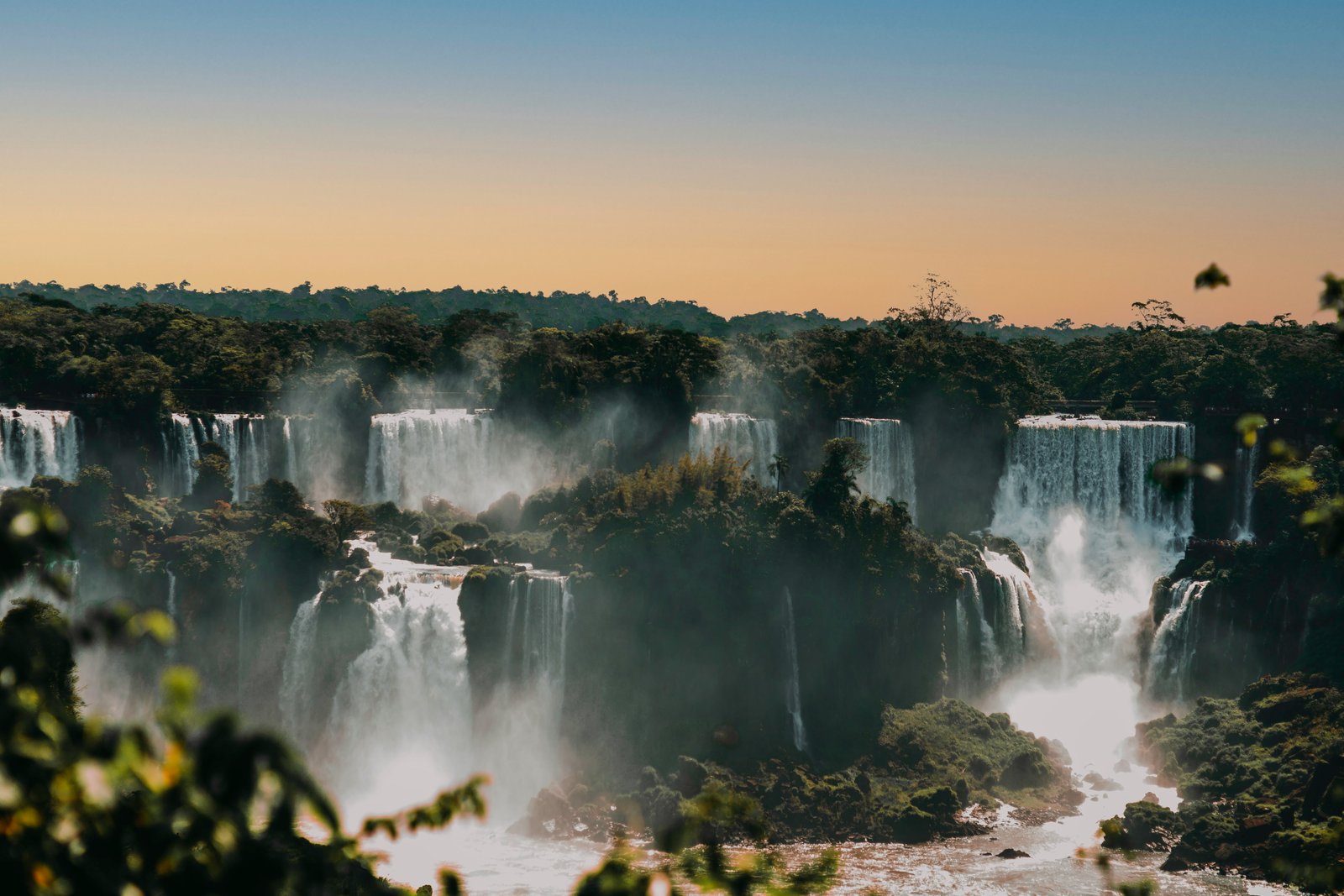
The meeting point of Paraguay, Argentina, and Brazil at Iguazú is one of South America’s most visited corners. While the falls lie on the Argentine and Brazilian sides, Paraguay integrates naturally into this itinerary — adding Itaipú Dam, the Jesuit missions, and an Asunción extension to a regional trip.
Top Experiences
PLAN AROUND EXPERIENCES, NOT JUST REGIONS
Jesuit Mission Ruins
La Santísima Trinidad de Paraná — near Encarnación — is the best-preserved Jesuit reduction in Paraguay: a substantial complex of carved sandstone church ruins, residential quadrangles, and workshops that once housed thousands of Guaraní people under Jesuit administration. Nearby Jesús de Tavarangue and San Cosme y Damián complete the circuit. A UNESCO World Heritage Site.
Asunción
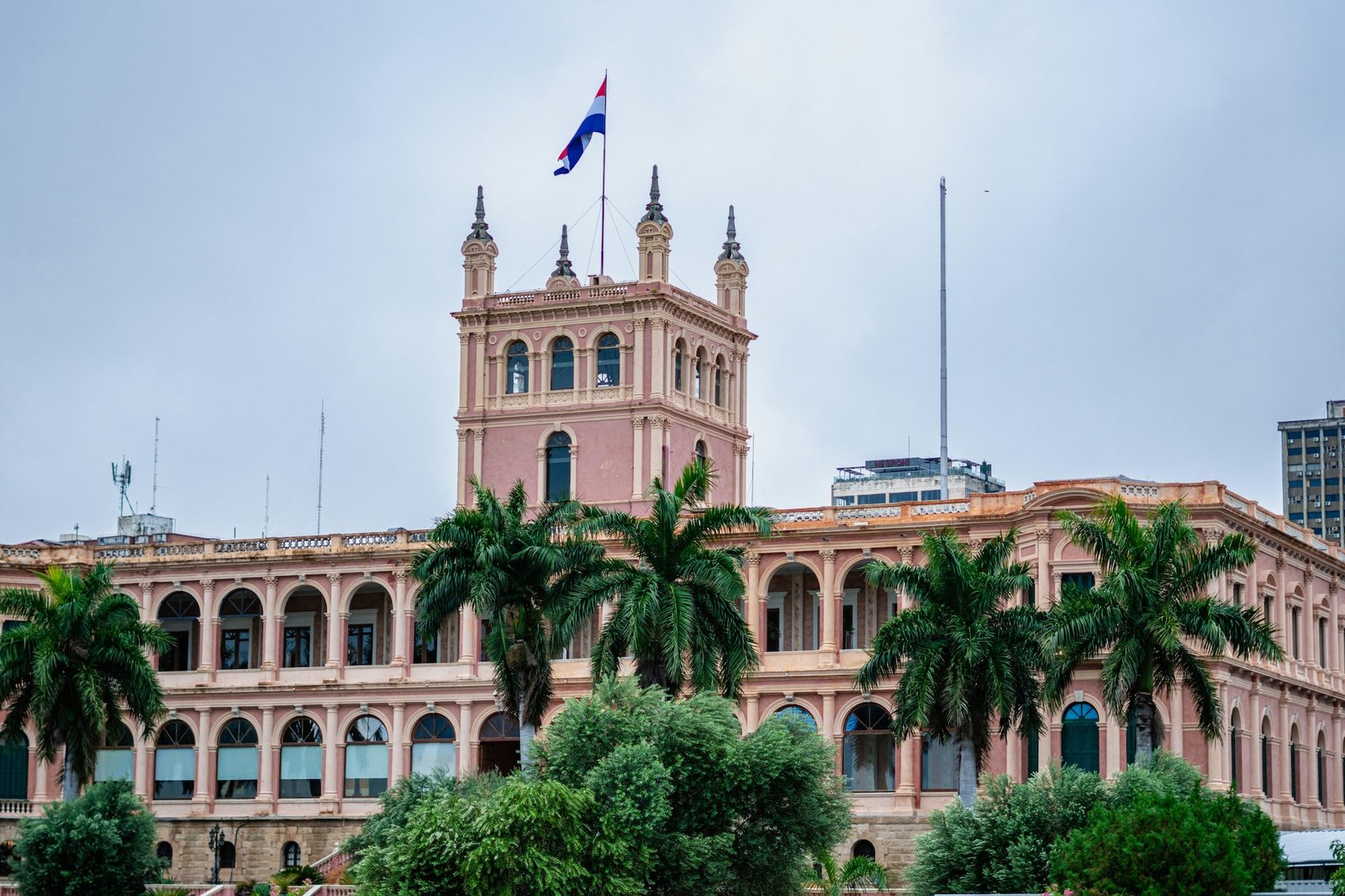
One of South America’s oldest capital cities — founded in 1537 — sits along the Paraguay River with a historic center of colonial landmarks: the Casa de la Independencia (where independence was declared), the Palacio de los López (the presidential palace), and the Panteón de los Héroes. The waterfront promenade and lively markets round out a compact, walkable capital that rewards a couple of days.
Gran Chaco Safari
The Chaco is South America’s great wildlife secret — giant anteaters, giant armadillos, tapirs, peccaries, maned wolves, caimans, anacondas, and over 500 bird species in a landscape of dry thorn forest and wetlands. Ranch stays (estancias) near Filadelfia and organized wildlife tours make the Chaco genuinely accessible for the motivated traveler. Best in the dry season (May–September).
Golden Triangle Villages
The circuit of colonial and artisan towns east of Asunción — Itauguá (center of ñandutí lace production), Caacupé (site of Paraguay’s most important religious shrine and pilgrimage), and San Bernardino (a lakeside resort town on Lake Ypacaraí) — offers a half-day or full-day excursion into rural Paraguayan life, craft traditions, and the country’s strong religious culture.
Encarnación
Paraguay’s main southern city sits on the Paraná River across from Posadas, Argentina, connected by an international bridge. A waterfront promenade with beaches, a lively local market, and easy access to the nearby Jesuit missions make Encarnación a natural base for the southern circuit. The city’s Carnival is considered one of the best in South America after Rio and Oruro.
Itaipú Dam
Located near Ciudad del Este on the Brazilian border, Itaipú is one of the world’s great engineering achievements — a 7.2-kilometer dam producing enough electricity to power most of Paraguay and a large portion of Brazil. Guided tours of the facility and visitor center are well organized and genuinely impressive in scale. Pairs naturally with the Iguazú Falls itinerary across the border.
River Travel & the Paraguay River
The Paraguay River is the country’s natural highway — boat travel south from Asunción toward Argentina offers a window into riverside communities, wetland birds, and the slower pace of river Paraguay. Fishing is excellent throughout; surubí (a large catfish native to the Paraguay and Paraná rivers) is one of the country’s most prized catches and best meals.
Ñandutí Lace
The intricate spiderweb-style lace of Itauguá is one of Paraguay’s most distinctive crafts — produced by hand using techniques brought by Spanish colonists and adapted over centuries into a uniquely Paraguayan art form. The town of Itauguá, just 30km from Asunción, is the center of production and the best place to buy directly from makers.
Timing
WHEN TO VISIT PARAGUAY
Dry Season (Best Overall)
May through September is Paraguay’s dry season — cooler temperatures, lower humidity, and the best conditions for wildlife viewing in the Chaco, mission visits, and travel in general. June and July are particularly pleasant in Asunción and the east.
Gran Chaco
The Chaco is best visited during the dry season (May–September), when roads are passable and wildlife concentrates around remaining water sources. The wet season (November–April) brings extreme heat and flooding that can make access to remote areas very difficult without 4WD vehicles.
Hot Season
November through March is Paraguay’s summer — hot, humid, and occasionally very wet, especially in the east. Asunción temperatures can exceed 40°C (104°F). Travel is still possible, and the Jesuit missions are accessible year-round, but comfort is lower and Chaco travel is restricted.
Carnival & Festivals
Encarnación’s Carnival (January–February) is the largest in Paraguay and considered among the best in South America. The Caacupé pilgrimage on December 8 draws hundreds of thousands of devotees to the Marian shrine — a remarkable expression of Paraguayan religious culture. Book accommodation well ahead for both events.
Travel Essentials
FACTS & PRACTICAL DETAILS
SAFETY ADVISORY
Paraguay is generally a safe destination for travelers. Standard urban precautions apply in Asunción — petty theft can occur in busy markets and around bus terminals. Use taxis from established stands or apps rather than hailing street cabs. Ciudad del Este has a more chaotic commercial environment; keep valuables secure in crowded areas.
The Jesuit missions, Encarnación, and the Golden Triangle region are low-risk and straightforward to visit. Gran Chaco travel is remote by nature — go with experienced guides and well-equipped vehicles. Overall, Paraguay presents a low threat level for well-prepared travelers.
Key Areas
A SIMPLE GEOGRAPHY OF PARAGUAY
Asunción & the Central Region
Paraguay’s capital — founded in 1537 and one of South America’s oldest cities — sits along the Paraguay River and serves as the country’s cultural, political, and transport hub. The historic center holds the Casa de la Independencia, Palacio de los López, Panteón de los Héroes, and the national cathedral around Plaza de la Independencia. The waterfront promenade and Mercado 4 (the main market) give a sense of everyday Paraguayan life. Day trips reach the Golden Triangle villages within 30–60 minutes.
The Golden Triangle
The cluster of towns east of Asunción — Itauguá, Caacupé, and San Bernardino — offers an easy half-day or full-day excursion into rural Paraguayan traditions. Itauguá is the center of ñandutí lace production; Caacupé holds the Basílica of the Virgin of Caacupé, Paraguay’s most important pilgrimage site; San Bernardino on Lake Ypacaraí is a lakeside resort town popular with Asuncenos on weekends. The circuit gives a genuine feel for small-town Paraguay beyond the capital.
The Jesuit Mission Circuit (South)
Southern Paraguay holds the finest Jesuit mission ruins in the country. La Santísima Trinidad de Paraná — the largest and best-preserved complex — is about 25km from Encarnación: a substantial sandstone ruin of church, college, workshops, and residential quarters once home to thousands of Guaraní people. Nearby Jesús de Tavarangue and San Cosme y Damián complete the UNESCO-listed circuit. Encarnación is the natural base, with a good waterfront and international bridge connection to Posadas, Argentina.
Ciudad del Este & the Iguazú Region
Ciudad del Este — on the Friendship Bridge border crossing to Foz do Iguaçu, Brazil — is Paraguay’s second city and a major commercial hub known for duty-free shopping. The main draw for travelers is the nearby Itaipú Dam — one of the world’s largest hydroelectric structures, built jointly with Brazil and easily visited on guided tours. The tri-border area makes Paraguay a natural add-on to an Iguazú Falls itinerary that includes both the Argentine and Brazilian sides.
The Gran Chaco
The Gran Chaco covers the western 60% of Paraguay — a vast flat landscape of dry thorn forest, salt pans, and seasonally flooded wetlands. It is one of South America’s last great wilderness frontiers, with extraordinary wildlife density and almost no mass tourism. Filadelfia, founded by Mennonite settlers in the 1920s and still a functioning Mennonite community, is the main hub for Chaco exploration. Wildlife estancias (ranches) offer accommodation and guided safari excursions. Roads in the deep Chaco are unpaved and 4WD is essential in the wet season.
Parks & Wildlife
PROTECTED LANDS & NATURAL WONDERS
Paraguay’s protected areas are concentrated in the Chaco and the eastern forests — ecosystems with remarkable biodiversity that receive a fraction of the visitors of more famous South American parks.
Defensores del Chaco National Park
Paraguay’s largest national park — a vast protected area in the remote northwestern Chaco, bordering Bolivia. Giant anteaters, giant armadillos, maned wolves, tapirs, pumas, jaguars, and an extraordinary diversity of birds inhabit this largely intact dry forest ecosystem. Highly remote and best visited with specialized eco-tour operators.
Jesuit Mission Ruins (UNESCO)
The missions of La Santísima Trinidad de Paraná and Jesús de Tavarangue are protected as a UNESCO World Heritage Site — part of the Jesuit Missions of the Guaranís, a network spanning Paraguay, Argentina, and Brazil. The carved sandstone architecture represents a unique fusion of European baroque and indigenous Guaraní artistic traditions.
Ybycuí National Park
Paraguay’s most accessible national park, located about 150km south of Asunción. A remnant of Atlantic Forest in the eastern hills, with waterfalls, natural pools, good birding, and an iron foundry ruin from the 19th century. An easy addition to an Asunción itinerary for travelers interested in natural areas.
Cerro Corá National Park
In the far northeastern corner of Paraguay — the site of the final battle of the War of the Triple Alliance (1864–1870), where Paraguayan president Francisco Solano López died. The park protects a landscape of rocky outcrops, gallery forest, and cave paintings alongside its historical significance. Good wildlife viewing including tapirs and abundant birdlife.
Chaco Wetlands & Pantanal Edge
The northeastern Chaco borders the Pantanal ecosystem shared with Brazil and Bolivia — one of the world’s great wildlife regions. The Paraguayan side is less visited than the Brazilian Pantanal but supports the same species: caimans, capybaras, giant otters, hyacinth macaws, and an extraordinary range of wading birds in the seasonally flooded grasslands.
Lake Ypacaraí
A large freshwater lake 50km east of Asunción — a popular local weekend destination and important wetland bird habitat. Surrounded by the resort town of San Bernardino and smaller communities, the lake supports good birdwatching and is the subject of Paraguay’s most famous folk song (“Recuerdos de Ypacaraí”). An easy half-day excursion from the capital.
Traveler Questions
PARAGUAY TRAVEL FAQ
Why should I visit Paraguay?
Paraguay is Latin America’s great off-beaten-path destination — genuinely undiscovered by mass tourism and all the more rewarding for it. The country has a unique bilingual culture (Spanish and Guaraní are co-official languages), fascinating Jesuit mission ruins in the southeast, the spectacular wetlands of the Pantanal and Chaco, and extraordinary wildlife including giant anteaters, tapirs, and giant river otters. Asunción, the capital, is a compact and underrated city with beautiful 19th-century architecture and a growing food scene.
Is Paraguay safe to visit?
Paraguay is generally safe for tourists in major urban areas and tourist destinations. Asunción has areas requiring normal urban precautions, and the border zones with Brazil and Argentina (particularly Ciudad del Este) carry more risk. The interior and Chaco region are peaceful. Paraguay does not attract the kind of mass tourism that generates organized crime targeting visitors. Standard caution, secured accommodations, and being alert in crowds are the main practical considerations.
What currency does Paraguay use?
Paraguay uses the Guaraní (PYG). As of 2025, the exchange rate makes Paraguay genuinely inexpensive for dollar or euro holders — one of the cheapest countries in South America for accommodations, food, and transportation. U.S. dollars and Argentine pesos are accepted in some tourist areas and border towns. ATMs in Asunción reliably dispense local currency. Carry some cash when venturing outside the capital.
How do I get to and around Paraguay?
The main gateway is Silvio Pettirossi International Airport in Asunción, with connections to Buenos Aires, São Paulo, Lima, Bogotá, and Miami among others. Overland entry from Argentina (via Clorinda/Puerto Falcón or Encarnación) and Brazil is common. Within the country, intercity buses are reliable and inexpensive — the Encarnación-Asunción route is the most-traveled. A rental car is ideal for exploring the Jesuit ruins circuit and the Chaco. Road quality varies significantly outside paved highways.
LOCAL SPECIALISTS WE TRUST
Paraguay is South America’s most overlooked country — and that’s precisely part of its appeal. The Jesuit mission circuit, the Chaco, and Asunción reward curious travelers willing to go beyond the obvious. These operators make it accessible.
Authentic Paraguay Tours
Asunción-based English-language tour operator specializing in cultural day tours and small-group experiences for independent travelers. Highlights include Asunción city tours, the Golden Circuit, Jesuit mission ruins, Ybycuí National Park, birdwatching excursions, Gran Chaco adventures, and customized extensions to Iguazu Falls, all led by knowledgeable local guides.
Best for: English-speaking travelers seeking authentic cultural experiences, local insight, and a deeper understanding of Paraguay's history, traditions, and lesser-known destinations.
LTO – Lleva Tour Operator
Ciudad del Este–based operator with 15+ years of experience, officially registered with SENATUR (Nº 415) and IATA. Covers city tours of CDE and Asunción, Itaipú Dam, the Jesuit mission circuit, Iguazu Falls day trips, the Triple Frontier, and the Paraguayan Night Show cultural experience — plus private transfers and corporate transport throughout Paraguay, Brazil, and Argentina.
Best for: Travelers arriving via Ciudad del Este or the Triple Frontier who want a fully licensed, well-organized operator covering eastern Paraguay and the Iguazu region.
Wildlife Paraguay
Paraguay's only specialist birding and nature tour operator, officially registered with SENATUR (Nº 644). Biologist-led tours into the Gran Chaco, Pantanal, Cerrado, San Rafael National Park (430+ bird species), and the Mbaracayú Biosphere Reserve — from half-day Asunción botanical garden visits to 12-day wilderness expeditions. Consistently outstanding TripAdvisor reviews from serious wildlife travelers.
Best for: Birders and wildlife enthusiasts — the definitive choice for expert-led access to Paraguay's most remote and biodiverse ecosystems.
Latin Travel does not book tours directly. These are editorial selections. Please mention Latin Travel when you contact them — it helps us keep this guide current.