Overview
MORE THAN A CANAL
Panama has long been known as the “Crossroads of the World” — a narrow tropical isthmus where the Atlantic and Pacific oceans are separated by only about 50 miles.
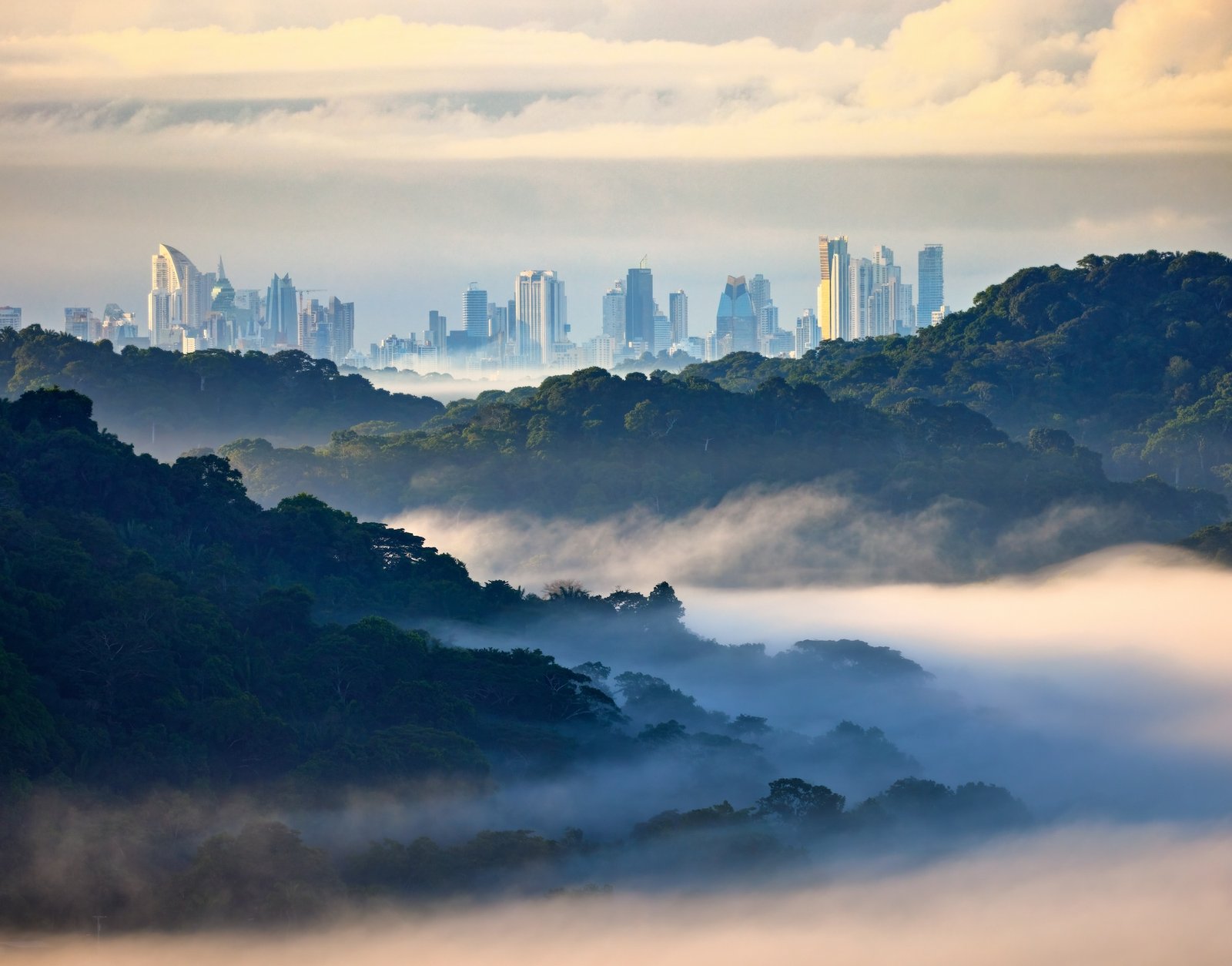
Best known for the Panama Canal, the country offers far more than its famous waterway: colonial history, rainforest reserves, Caribbean islands, Pacific beaches, indigenous cultures, offshore fishing, and modern city life. Panama City is one of Latin America’s most dynamic capitals, with excellent hotels, restaurants, and a striking skyline. Visitors can move seamlessly from historic colonial districts and canal engineering to nearby rainforest and island escapes — often within the same day.
Travelers can explore the Spanish colonial heritage of Portobelo, walk the ruins of Panamá Viejo — sacked by the pirate Henry Morgan — or enjoy world-class fishing in Piñas Bay. Both coasts offer exceptional island experiences, from the Caribbean archipelago of Guna Yala to the Pacific’s Pearl Islands. In the far southeast, the Darién marks the end of the Pan-American Highway and the beginning of one of the most remote wilderness regions in the Americas.
Best for travelers who want history, island escapes, canal engineering, rainforest wildlife, and a cosmopolitan capital — all accessible without crossing a border.
Geography
WHERE EVERYTHING IS
Panama stretches east to west across a narrow isthmus — Panama City and the Canal sit near the center, Bocas del Toro on the Caribbean northwest border, Guna Yala along the northeastern Caribbean coast, the Pearl Islands offshore to the Pacific south, and the remote Darién in the far southeast. Click any marker to see what’s there.
Tap or click markers for details. Pinch / scroll to zoom.
Why Go
WHAT MAKES PANAMA STAND APART
The Panama Canal
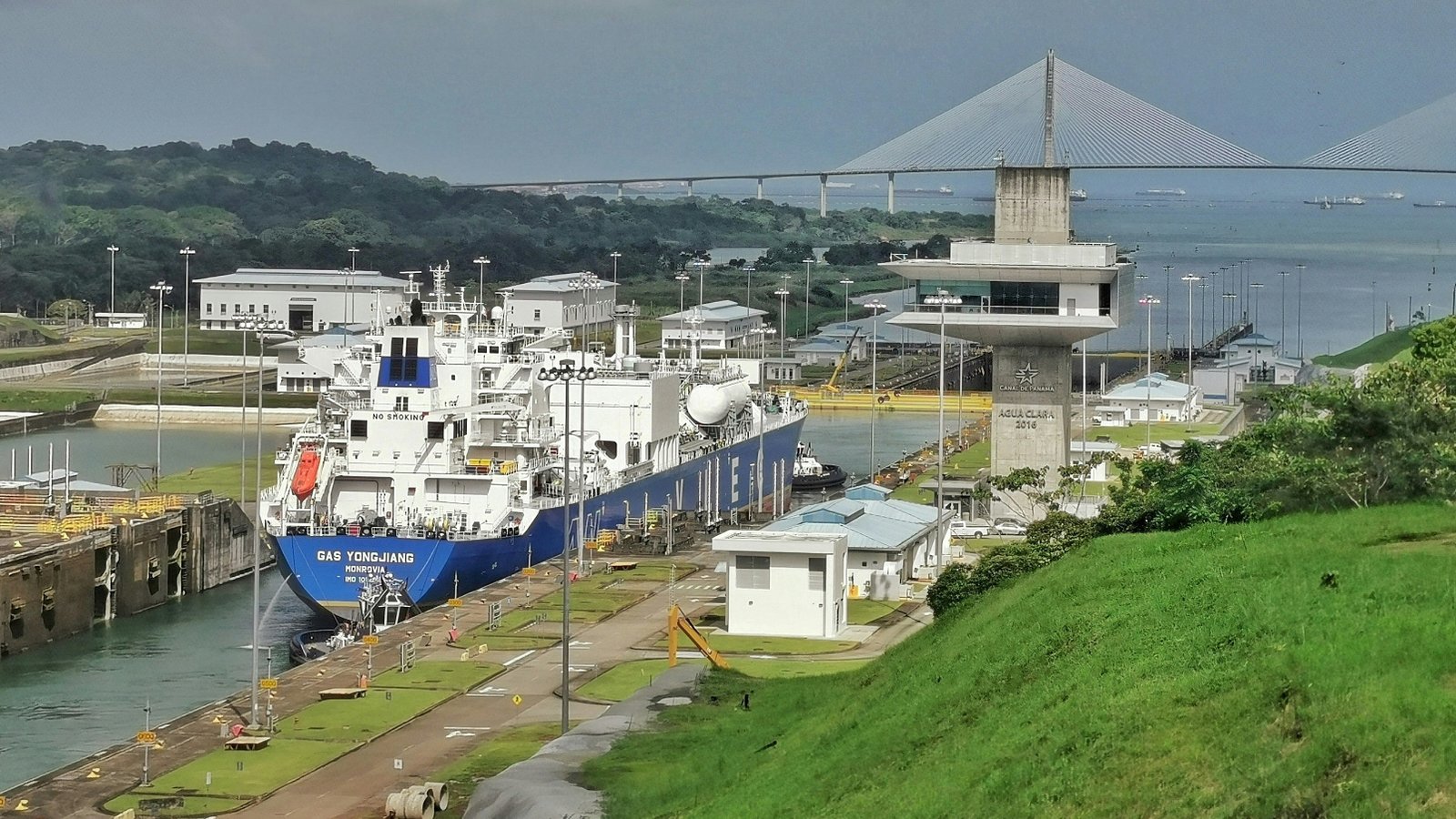
One of the great engineering achievements of the modern world — and still operating at scale. Watching a massive container ship lock through from dry land is an experience that stays with you.
Guna Yala & San Blas
Hundreds of pristine Caribbean islands governed autonomously by the Guna people — with white sand beaches, turquoise water, excellent snorkeling, and a living indigenous culture that has resisted outside development.
Panama City
A surprisingly sophisticated capital with world-class hotels and restaurants, a UNESCO colonial quarter in Casco Antiguo, and rainforest literally bordering the city. One of the most underrated capitals in Latin America.
Rainforest at the Door
Barro Colorado Island and the Gamboa corridor offer one of the world’s easiest access points to first-class tropical rainforest — a short drive or boat ride from downtown Panama City.
Sport Fishing
Panama’s Pacific waters, particularly around Piñas Bay and the Pearl Islands, are among the finest sport fishing destinations in the world — famous for black marlin, sailfish, tuna, and roosterfish.
Cultural Depth
Spanish colonial history, the Guna and Emberá indigenous peoples, Afro-Caribbean traditions in Bocas del Toro, and a cosmopolitan immigrant culture in Panama City give the country unusual cultural layering for its size.
Top Experiences
PLAN AROUND EXPERIENCES, NOT JUST REGIONS
Panama Canal Locks
Watch the full drama of a ship transit from the observation decks at Miraflores or Gatún. Partial and full canal transit tours offer a close-up experience of the locks in action. The Panama Canal Museum provides excellent historical context.
Casco Antiguo & Panamá Viejo
Walk the cobblestone streets of Panama City’s UNESCO-listed colonial quarter, then visit the dramatic ruins of Panamá Viejo — the original city razed by Henry Morgan in 1671. Two centuries of Spanish colonial history within a single afternoon.
Guna Yala (San Blas Islands)
A short flight or boat trip from Panama City leads to one of the Caribbean’s most pristine island archipelagos. The Guna people maintain their own government, culture, and remarkable handmade mola textiles. Stay in simple island lodges and snorkel reefs far from the crowds.
Bocas del Toro
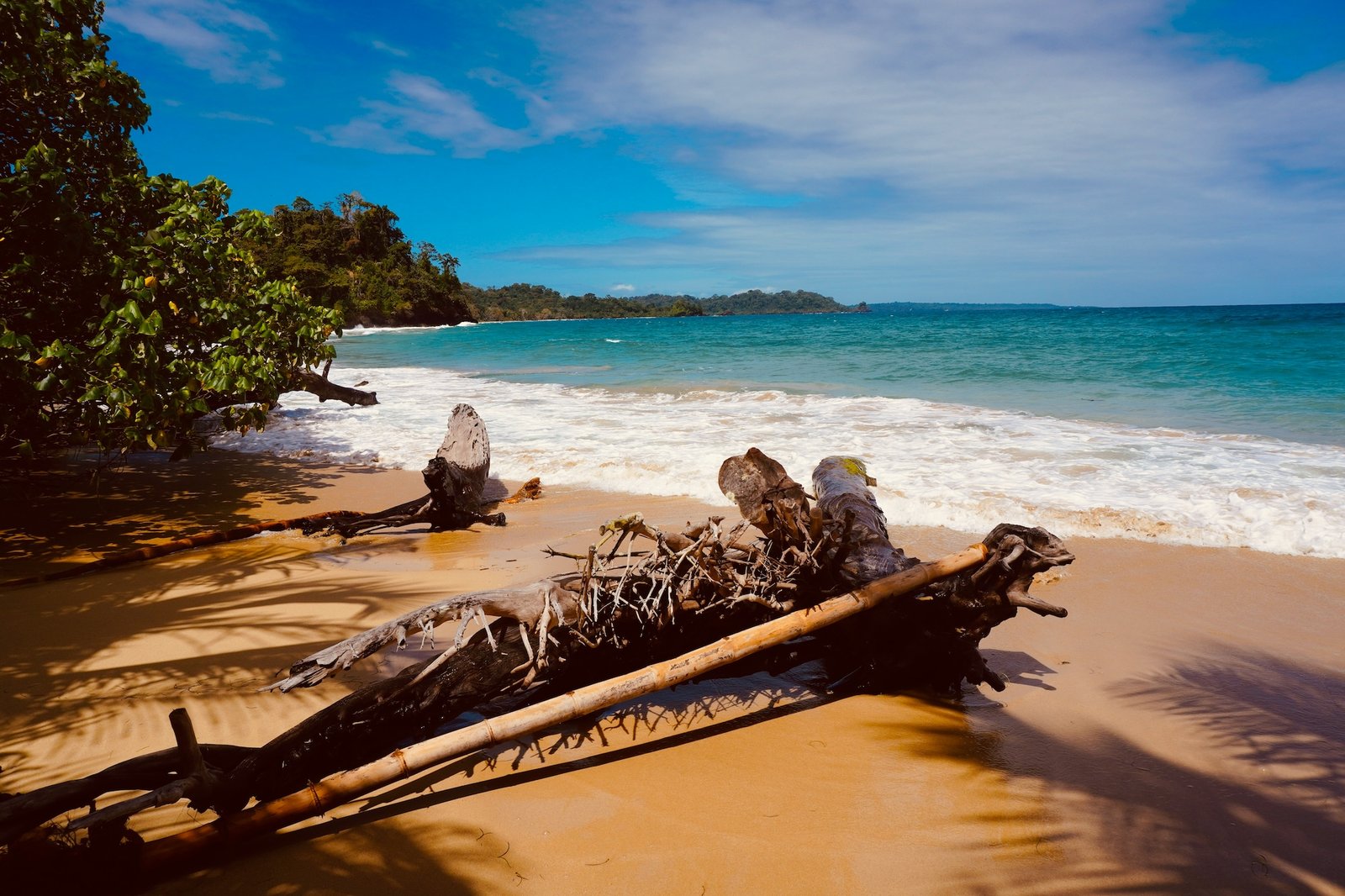
Panama’s Caribbean playground near the Costa Rican border — beaches, island hopping, surfing, diving, and a relaxed atmosphere. The surrounding national park protects coral reefs, mangroves, and some of the coast’s most important sea turtle nesting beaches.
Barro Colorado & Gamboa
A short drive from Panama City, Barro Colorado Island is operated by the Smithsonian Tropical Research Institute and is one of the world’s most important tropical research stations. Day trips by boat on Gatún Lake reveal monkeys, toucans, sloths, and crocodiles.
Portobelo
Once the most important treasure port in the Spanish empire — where gold and silver from South America were staged before shipment to Seville. Colonial fortifications, an old customs house, and the revered Black Christ of Portobelo remain, making this one of Panama’s most atmospheric historic stops.
Pearl Islands & Contadora
The Pacific’s Pearl Islands offer beaches, boating, sport fishing, and resort relaxation. Contadora Island is the most accessible — a quick flight from Panama City, ideal for a night or two offshore.
Darién Expeditions
For serious adventurers only — the Darién is one of the most remote and biodiverse wilderness regions in the Americas. Go only with experienced, organized guides and current local advice. See the safety note in Travel Essentials.
Timing
WHEN TO VISIT PANAMA
Dry Season (Pacific)
January to April is Panama City’s dry season — the most reliable period for clear weather on the Pacific side and the most popular time to visit overall.
Green Season
May to December brings afternoon rains to most of the country. Landscapes turn lush, prices drop, and most attractions remain fully accessible. Mornings are typically clear.
Caribbean Coast
Bocas del Toro and Guna Yala have their own rhythm — the Caribbean is often drier when the Pacific is wet, and vice versa. September and October tend to be the driest months on the Caribbean coast.
Sport Fishing
The Pacific offers world-class fishing year-round, with peak sailfish season typically running January to April and marlin peaking August to October.
Travel Essentials
FACTS & PRACTICAL DETAILS
SAFETY ADVISORY
Panama is generally safe for travelers. Most popular destinations — including Panama City, Bocas del Toro, Boquete, and the Pearl Islands — are widely visited without issue.
The U.S. Department of State rates Panama overall as Level 2: Exercise Increased Caution due to crime and occasional civil unrest. Two specific remote areas carry a Level 4: Do Not Travel advisory: parts of the Darién Region south of Yaviza toward the Colombian border, and the remote Mosquito Gulf on the Caribbean coast. These areas have limited police presence, minimal infrastructure, and known illicit activity.
Most travelers will never encounter these regions. Anyone considering travel to the Darién should go only with experienced, organized guides and current local advice.
Key Areas
A SIMPLE GEOGRAPHY OF PANAMA
Panama City & the Canal
Founded by the Spanish in 1519, Panama City is both colonial and ultra-modern. Casco Antiguo — the rebuilt colonial quarter — is a UNESCO-listed district of churches, plazas, and excellent restaurants. The ruins of Panamá Viejo, razed by Henry Morgan in 1671, sit nearby. The Panama Canal stretches about 50 miles across the isthmus; the Miraflores and Gatún visitor centers provide the best viewing of ships in transit.
Guna Yala & Caribbean Coast
Guna Yala (San Blas) is an autonomous indigenous territory of hundreds of small Caribbean islands — one of the most pristine and culturally intact destinations in Panama. Accessed by short flight or boat from Panama City. The Guna maintain their own governance, culture, and traditions. Portobelo, on the mainland Caribbean coast, preserves colonial Spanish fortifications and the famous Black Christ pilgrimage church.
Bocas del Toro
Panama’s lively Caribbean getaway near the Costa Rican border — a cluster of islands known for beaches, surfing, diving, island hopping, and a relaxed, international atmosphere. The surrounding archipelago national park protects coral reefs, mangroves, sea turtles, and rainforest. Best reached by flight from Panama City or by road and water taxi from the Costa Rican border.
Pacific Islands & Fishing
The Pearl Islands lie about 50 miles off Panama City in the Pacific. Contadora is the most accessible — a quick flight for beaches and relaxation. Piñas Bay in the far southwest is world-famous for sport fishing, particularly black marlin and sailfish. The Pacific coast also offers whale watching during humpback migration season.
Boquete & Western Highlands
The cool highland town of Boquete near David is Panama’s mountain escape — known for excellent coffee, cloud forest hiking, white-water rafting on the Río Chiriqúí, and as a base for climbing Volcán Barú, Panama’s highest peak. A popular destination for both adventure travelers and long-term expats.
Darién
Panama’s remote southeastern frontier — where the Pan-American Highway ends and one of the most biologically rich wilderness areas in the Western Hemisphere begins. Home to indigenous communities and rare wildlife including jaguar, tapir, and harpy eagle. Travel requires careful planning; certain areas near the Colombian border carry a U.S. State Department Level 4 advisory. Go only with experienced, vetted guides.
Parks & Wildlife
PROTECTED LANDS & NATURAL WONDERS
Panama sits at the biological crossroads of two continents — a meeting point for North and South American species that makes it one of the most biodiverse countries in the world relative to its size.
Darién National Park
A UNESCO World Heritage Site and one of the largest protected areas in Central America, harboring jaguars, tapirs, harpy eagles, and extraordinary biodiversity where North and South America meet.
Barro Colorado Island
Operated by the Smithsonian Tropical Research Institute, this island in Gatún Lake is one of the world’s most intensively studied tropical ecosystems — and one of the most accessible from a capital city.
Soberanía National Park
Bordering the Panama Canal and within easy reach of Panama City, Soberanía is a world-class birding destination with over 500 species recorded — including the harpy eagle — and excellent wildlife viewing along the old Pipeline Road.
Coiba National Park
A UNESCO World Heritage Site in the Pacific, Coiba is one of the largest marine parks in the Americas — protecting hammerhead sharks, whale sharks, humpback whales, manta rays, and extraordinary coral reef systems.
Bocas del Toro Archipelago
A national marine park protecting coral reefs, mangroves, sea grass beds, and nesting beaches for four species of sea turtle — including one of the most important leatherback nesting sites in the Caribbean.
Volcán Barú
Panama’s highest peak at over 11,400 feet — on a clear day the summit offers views of both the Pacific and the Caribbean simultaneously. Cloud forest on the slopes supports resplendent quetzals and rare highland species.
Traveler Questions
PANAMA TRAVEL FAQ
Do U.S. citizens need a visa for Panama?
No. U.S. citizens can enter Panama visa-free for tourist stays of up to 180 days. A valid passport is required. Panama is one of the easiest entry points into Central America and is well set up for international travelers, with Tocumen International Airport serving as a major regional hub with connections throughout Latin America.
Is Panama City worth spending time in?
Absolutely. Panama City is one of the most sophisticated and dynamic capitals in Central America — a striking skyline rising beside the Pacific entrance to the Canal, a walkable waterfront (the Cinta Costera), a beautifully restored colonial quarter (Casco Viejo), and an extraordinary food scene. The Panama Canal itself and the Miraflores Locks visitor center are genuinely impressive. Plan at least two to three days in the city before venturing elsewhere.
Does Panama use U.S. dollars?
Yes. Panama uses the U.S. dollar as its de facto currency (officially called the Balboa, but bills are U.S. dollars). This makes it exceptionally convenient for American travelers. Panama City is also home to a major duty-free shopping zone, and prices across the country reflect its status as a regional business hub — generally higher than neighboring Costa Rica for accommodations and dining.
What is beyond Panama City?
Panama punches far above its size. The Bocas del Toro archipelago on the Caribbean coast is one of the most beautiful island groups in Central America. The Azuero Peninsula preserves deep mestizo traditions and colonial towns. The Chiriquí highlands around Boquete offer cloud forest hiking, coffee farms, and volcano trekking. The Darién — one of the last great roadless wildernesses in the Americas — is accessible with proper guides for serious adventurers.
LOCAL SPECIALISTS WE TRUST
Panama punches well above its size — the Canal, San Blas, Bocas del Toro, Darien, and cloud forest all within a few hours of each other. These operators know how to piece it together efficiently and memorably.
San Blas & Islands
San Blas Adventures
Specialists in multi-day island-hopping adventures through the San Blas archipelago, including the only overwater route connecting Panama and Colombia. Beyond the beaches and snorkeling, travelers gain meaningful insight into the traditions and daily life of the indigenous Guna people.
Best for: Travelers seeking a deeper San Blas experience that combines Caribbean island beauty, cultural discovery, and an unforgettable journey between Panama and Colombia.
Barefoot Panama
A Panama City-based operator run by a passionate American expat, offering an extensive range of day trips, multi-day adventures, and specialty tours — from Canal transits to San Blas island-hopping — with a strong sustainable tourism ethos.
Best for: Active, curious travellers who want authentic local guidance without the luxury price tag.
Darién & Wildlife
EcoCircuitos Panama
Panama’s leading eco-tourism and nature travel specialist — Darien expeditions, Canal wildlife cruises, Pipeline Road birding, Soberania National Park, and indigenous Emberá village visits. Outstanding naturalist guides.
Best for: Wildlife and birding — Pipeline Road is one of the world’s legendary single-day birding sites and EcoCircuitos knows it best.
Custom & Canal Experiences
Panama Your Way
Panama City–based custom operator covering the Canal transit, Casco Viejo walking tours, Miraflores Locks, and day trips to Gamboa, Soberania, and the Caribbean coast. Strong English-speaking guides.
Best for: Panama City visitors who want the Canal experience, Casco Viejo culture, and efficient day-trip logistics.
Ancon Expeditions
One of Panama’s most established destination specialists, with more than 30 years of experience designing responsible custom journeys throughout the country. Their coverage extends from Panama City, the Canal watershed, El Valle de Antón, and Azuero to San Blas, Chiriquí, Bocas del Toro, Darién, and other remote regions.
Best for: Travelers who want a highly experienced Panama specialist capable of building comprehensive, custom itineraries across culture, nature, islands, wildlife, and remote expedition areas.
Latin Travel does not book tours directly. These are editorial selections. Please mention Latin Travel when you contact them — it helps us keep this guide current.