Overview
THE DEEP COAST
Honduras’ Caribbean coastline borders brilliant waters that Christopher Columbus described as exceptionally hondo — deep — giving the country its name.
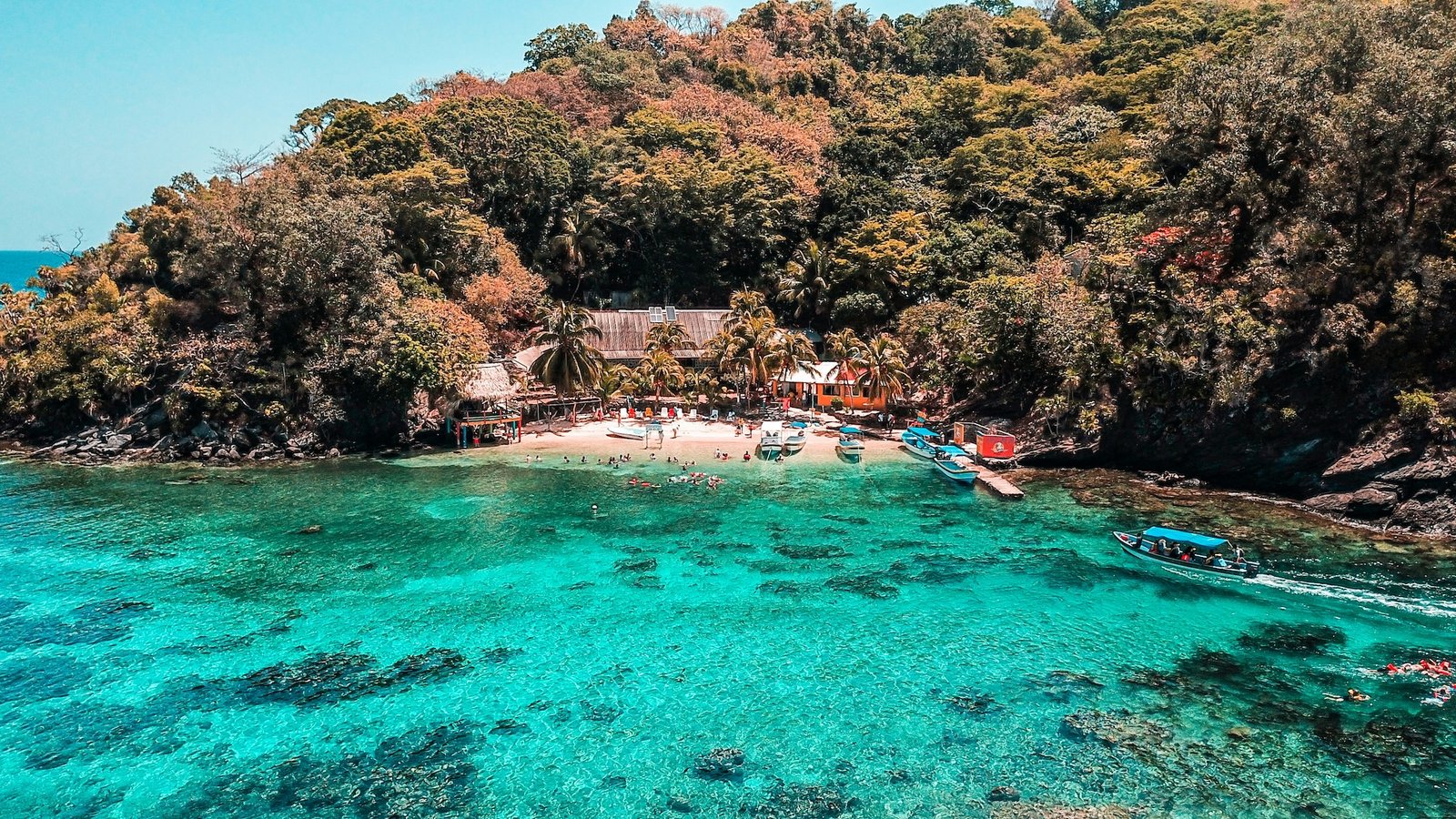
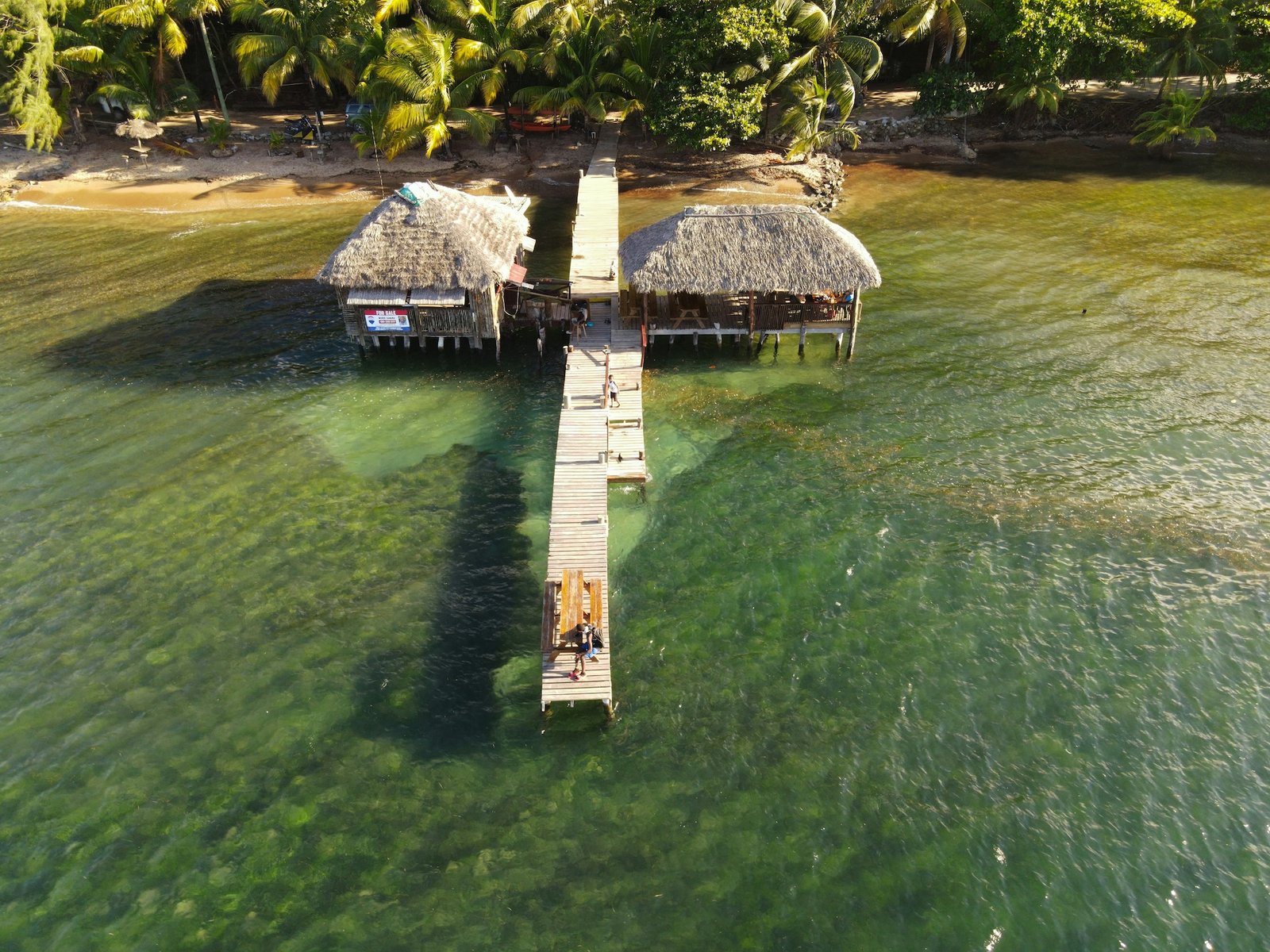
Today, those same waters surround the offshore Bay Islands, considered by many to be one of the Caribbean’s premier diving regions. Inland, the mountainous terrain is home to the remarkable pre-Columbian city of Copán, one of the most important Maya archaeological sites in Central America. In the highlands, the capital Tegucigalpa retains much of its colonial character, while San Pedro Sula serves as the country’s primary gateway for international travelers.
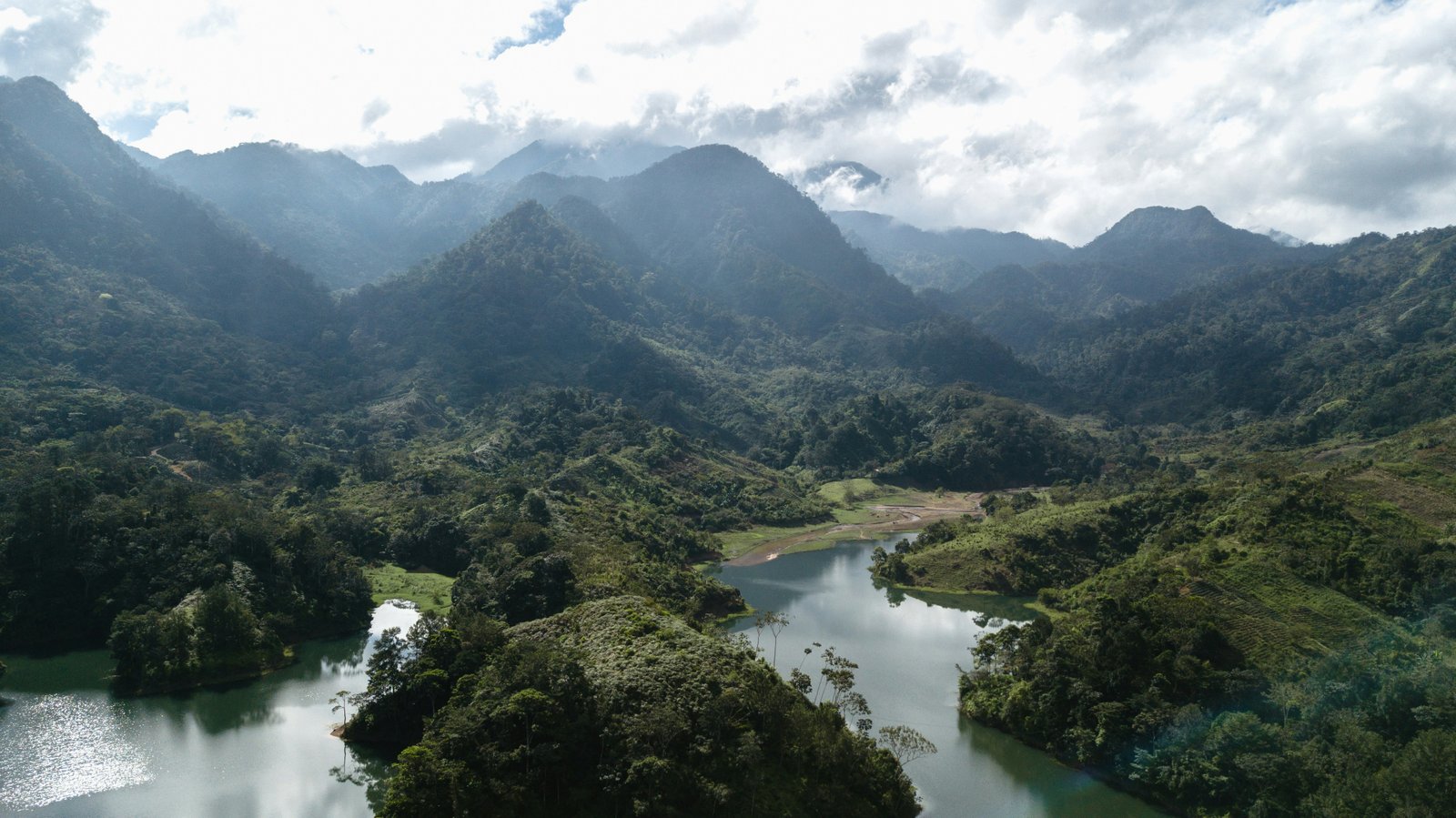
Honduras is rich in natural beauty, with national parks, cloud forests, wildlife reserves, and protected coastal regions offering a wide range of outdoor and eco-tourism experiences. Its Gulfstream-cooled Caribbean waters, intact reef systems, and relative lack of mass tourism make it a rewarding destination for travelers willing to look past the headlines.
Best for divers, reef enthusiasts, Maya archaeology buffs, and ecotravelers seeking authentic Caribbean coast and cloud forest experiences with fewer crowds than neighboring countries.
Geography
WHERE EVERYTHING IS
Honduras is divided between a mountainous interior and a long Caribbean coast to the north. The Bay Islands sit offshore in the Caribbean, Copán is tucked near the Guatemalan border in the west, and the national parks and wildlife refuges of the Caribbean lowlands stretch east from La Ceiba. Click any marker to see what’s there.
Tap or click markers for details. Pinch / scroll to zoom.
Why Go
WHAT MAKES HONDURAS STAND APART
Bay Islands Diving
The Bay Islands sit along the Mesoamerican Barrier Reef — the second-largest reef system in the world. Visibility, marine life diversity, and the affordability of dive courses here rival anything in the Caribbean.
Copán Maya Ruins
One of the most important Maya archaeological sites in the Americas — renowned for its intricately carved stelae, the extraordinary Hieroglyphic Stairway, and a UNESCO designation. Often called the “Athens of the Maya world.”
Cloud Forests & Parks
An extensive network of national parks protects mountain cloud forests, river canyons, and extraordinary biodiversity — much of it still relatively undiscovered by international travelers.
Authentic Caribbean Coast
La Ceiba and the surrounding coastline offers white-sand beaches, Garífuna culture, fresh seafood, and lush tropical landscapes that feel far removed from packaged resort tourism.
Garífuna Culture
Honduras has one of the largest Garífuna communities in the world — an Afro-Caribbean people with their own language, music, dance, and cuisine, concentrated along the northern coast.
Accessible Ecotourism
Manatees, howler monkeys, toucans, jaguars, and hundreds of bird species are all within reach of organized wildlife reserves and national parks, often accessed by boat or small rail lines.
Top Experiences
PLAN AROUND EXPERIENCES, NOT JUST REGIONS
Diving the Bay Islands
Roatán is the most developed, with excellent resorts and dive operations. Utila is famous globally for affordable PADI dive certifications. Guanaja is quieter and less visited — a genuine escape. The reef wall dives here are exceptional.
Copán Ruins
Walk among carved stelae, explore the Hieroglyphic Stairway — the longest known Maya inscription — and visit the excellent on-site museum. The nearby town of Copán Ruinas is charming and worth an overnight stay.
Pico Bonito National Park
One of the most biologically rich national parks in Central America, near La Ceiba. Rivers, waterfalls, and dense tropical forest make this a premier destination for birdwatching, hiking, and white-water rafting.
Cuero y Salado Wildlife Refuge
A unique mangrove and wetland ecosystem west of La Ceiba, accessible by boat and a narrow-gauge rail line. Home to West Indian manatees, howler monkeys, caimans, and extraordinary birdlife.
Garífuna Villages
The villages along the Caribbean coast — particularly near Tela and La Ceiba — offer an authentic window into Garífuna culture: drumming, traditional cooking, fishing, and a warmth toward visitors that is distinctly Caribbean.
Tegucigalpa & the Highlands
The colonial capital rewards a day of exploration — panoramic views from El Picacho, historic churches, the National Theater, and easy day trips to the artisan town of Valle de Ángeles and the village of Santa Lucía.
Timing
WHEN TO VISIT HONDURAS
Dry Season
November to April is generally the driest and most comfortable period across most of Honduras — the best window for Copán, and the interior highlands.
Diving Conditions
The Bay Islands offer excellent diving year-round, with the clearest water typically March to June and September to November. Whale sharks are occasionally spotted near Utila, but sightings are unpredictable and never guaranteed.
Caribbean Coast
The northern coast and Bay Islands can receive rain throughout the year, with heavier rainfall often occurring between October and January. The Caribbean coast is more enjoyable during the drier months of the dry season.
Green Season
May to October brings afternoon rains. Landscapes are lush, national parks are vivid, and prices drop significantly. Mornings are typically clear and perfectly workable for most activities.
Travel Essentials
FACTS & PRACTICAL DETAILS
SAFETY ADVISORY
Honduras has higher crime levels than many other countries in the region. The U.S. Department of State advises Level 3: Reconsider Travel due to crime.
Most travelers who visit the Bay Islands, Copán, and organized tour destinations do so without issue. Visitors should exercise caution in urban areas, avoid traveling at night in unfamiliar locations, and use reputable transportation and accommodations throughout the trip. The Bay Islands in particular are widely considered safe for tourists and operate largely at resort-destination standards.
Key Areas
A SIMPLE GEOGRAPHY OF HONDURAS
Tegucigalpa & the Highlands
The capital was founded in 1578 as a Spanish silver-mining center and retains much of its colonial layout. Worth a day of exploration for its historic churches, the National Museum (Villa Roy), panoramic views from El Picacho, and cultural performances at the National Theater. Easy day trips reach the artisan town of Valle de Ángeles and the village of Santa Lucía.
San Pedro Sula & Copán
San Pedro Sula is Honduras’ industrial hub and main international entry point via Villeda Morales Airport. While not a tourist destination itself, it’s a convenient gateway to Copán — a UNESCO World Heritage Maya site near the Guatemalan border renowned for its Hieroglyphic Stairway, elaborately carved stelae, and excellent on-site museum. The nearby market town of Copán Ruinas makes a pleasant overnight base.
Bay Islands
Roatán, Utila, and Guanaja sit along the Mesoamerican Barrier Reef — the second-largest reef system in the world. Roatán is the most developed, with resorts, restaurants, and established dive operators. Utila draws budget travelers and diving students from around the world. Guanaja is the quietest and least visited — a remote escape. English is widely spoken on all three islands due to their British Caribbean heritage.
La Ceiba & Caribbean Coast
La Ceiba is the gateway to the Caribbean coast and the main port for ferries to the Bay Islands. The surrounding region is home to Pico Bonito National Park (rivers, waterfalls, extraordinary biodiversity), the Cuero y Salado Wildlife Refuge (manatees, monkeys, accessible by boat and rail), and Garífuna communities near Tela and along the coast. Jeannette Kawas National Park (Punta Sal) protects mangroves, beaches, coral reefs, and important Garífuna villages.
Parks & Wildlife
PROTECTED LANDS & NATURAL WONDERS
Honduras has one of the most extensive protected-area systems in Central America, covering cloud forests, tropical lowlands, Caribbean coast, and offshore reefs — much of it still far from overrun with visitors.
Pico Bonito National Park
One of Central America’s most biodiverse national parks, rising from Caribbean lowlands to cloud forest peaks near La Ceiba. Rivers, waterfalls, exceptional birdwatching, and white-water rafting on the Río Cangrejal.
Cuero y Salado Wildlife Refuge
A mangrove and wetland reserve west of La Ceiba, home to West Indian manatees, howler monkeys, American crocodiles, and hundreds of bird species. Accessed by boat or the narrow-gauge “burra” rail line — one of Honduras’ most memorable rides.
Jeannette Kawas National Park
Also known as Punta Sal — a coastal reserve protecting mangroves, beaches, coral reefs, and important Garífuna communities near Tela. One of the most ecologically diverse parks on the Caribbean coast.
La Muralla National Park
A highland cloud forest reserve in the Ocótepeque region, with hiking trails, rich birdlife, and cloud forest atmosphere. Less visited than other parks and more rewarding for that reason.
Mesoamerican Barrier Reef
The world’s second-largest reef system runs along the Bay Islands — protecting extraordinary marine biodiversity: whale sharks, sea turtles, eagle rays, hammerhead sharks, and hundreds of fish and coral species.
Celáque National Park
Home to Cerro Las Minas, Honduras’ highest peak at over 9,400 feet. Dense cloud forest, cool temperatures, waterfalls, and exceptional endemic birdlife. A rewarding highland trekking destination near Gracias.
Traveler Questions
HONDURAS TRAVEL FAQ
Is Honduras safe for tourists?
Honduras has significant crime challenges, particularly in major urban areas including Tegucigalpa and San Pedro Sula. However, the primary tourist destinations — the Bay Islands (Roatán, Utila), the Copán ruins, and the Pico Bonito region — operate largely outside that context and have well-established tourism infrastructure. Most travelers to Honduras are heading specifically to these areas and have entirely positive experiences. Standard precautions, reputable local guides, and a focused itinerary go a long way.
What are the Bay Islands like for diving?
The Bay Islands offer some of the best and most affordable diving in the Caribbean. Roatán has the broadest range of accommodations and dive operators — from budget dorm rooms on the West End to luxury resorts on the eastern shore. Utila is the Caribbean’s dive-budget capital and is famous for whale shark encounters. Both islands sit on the Mesoamerican Barrier Reef, the second-largest reef system in the world. PADI open-water certifications here are among the cheapest you will find anywhere.
What is Copán and is it worth the journey?
Copán is one of the great Maya archaeological sites in the Americas and is absolutely worth the journey. While less famous than Tikal or Chichén Itzá, Copán is celebrated for the exceptional quality of its carved stelae, hieroglyphic stairway, and sculptural detail. The colonial town of Copán Ruinas next to the site is charming, with good hotels and restaurants. It is most efficiently reached from San Pedro Sula or combined with a trip to Guatemala.
What is the best time to visit Honduras?
The dry season from November through April is generally the best time for coastal and reef travel as well as visiting Copán. The Bay Islands have their own microclimate with significant rainfall in December. Semana Santa (Holy Week) is very busy across the country. The Caribbean coast around La Ceiba and Trujillo is wetter in general but rewarding for adventurous travelers throughout the year.
LOCAL SPECIALISTS WE TRUST
Honduras is underrated and often overlooked. Roatán’s reef is world-class, Copán rivals any Maya site in the region, and the Bay Islands offer some of the Caribbean’s best diving. These operators know the country well.
Bay Islands & Diving
Maya Temple Tours
A Honduras-based operator with 24 years of expertise, crafting fully escorted journeys across Central America — from Copán's Maya ruins and Lenca highland villages to Caribbean diving and cross-border expeditions into Guatemala, El Salvador, and Nicaragua.
Best for: History and archaeology enthusiasts — particularly those drawn to Maya civilization, with Copán as a centrepiece alongside broader pre-Columbian and colonial heritage routes.
Roatan Divers
Experienced Roatán-based dive operator and PADI 5-Star IDC Eco Center offering small-group diving throughout the Mesoamerican Barrier Reef. Wall dives, wreck diving, reef diving and night diving, plus snorkeling, technical training, and private boat charters with a strong emphasis on personalized service and marine conservation.
Best for: Divers seeking a boutique Roatán dive experience with expert instructors, small groups, and access to the island's premier reef sites.
Copán & Mainland
Mayan Gateway
Guatemala-based destination management company specializing in custom travel throughout Central America and the Mayan World. Designs private itineraries across Honduras, Guatemala, Belize, El Salvador, Nicaragua, and southern Mexico, combining local expertise with seamless on-the-ground logistics.
Best for: Multi-country Central America journeys, custom Honduras itineraries, and travelers exploring the wider Mayan region.
Tara Tours
Tara Tours is a long-established Miami-based operator with over 45 years specialising in Central and South America, offering expertly crafted packages to Honduras — combining UNESCO-listed Copán ruins, highland national parks, and Roatán's world-class diving on the Caribbean's second-largest coral reef.
Best for: Copán and the western highlands — archaeology, coffee, and birding with experienced local guides.
iCatracho Tours
Honduran-owned operator running since 2011, covering Copán Ruins archaeology tours, Lenca indigenous culture excursions, adventure activities in Pico Bonito, and small-group packages designed for independent travelers.
Best for: Copán Ruins day trips and Lenca cultural experiences in western Honduras.
Latin Travel does not book tours directly. These are editorial selections. Please mention Latin Travel when you contact them — it helps us keep this guide current.